Compare sleeve applicator machines
Review automatic, rotary, horizontal and tunnel-based sleeve applicator routes.
Open page →Machine comparison
Automatic and semi-automatic sleeve applicators solve different problems. The right choice depends on production volume, operator time, changeover frequency and how tightly the sleeve position must be controlled.
Output route
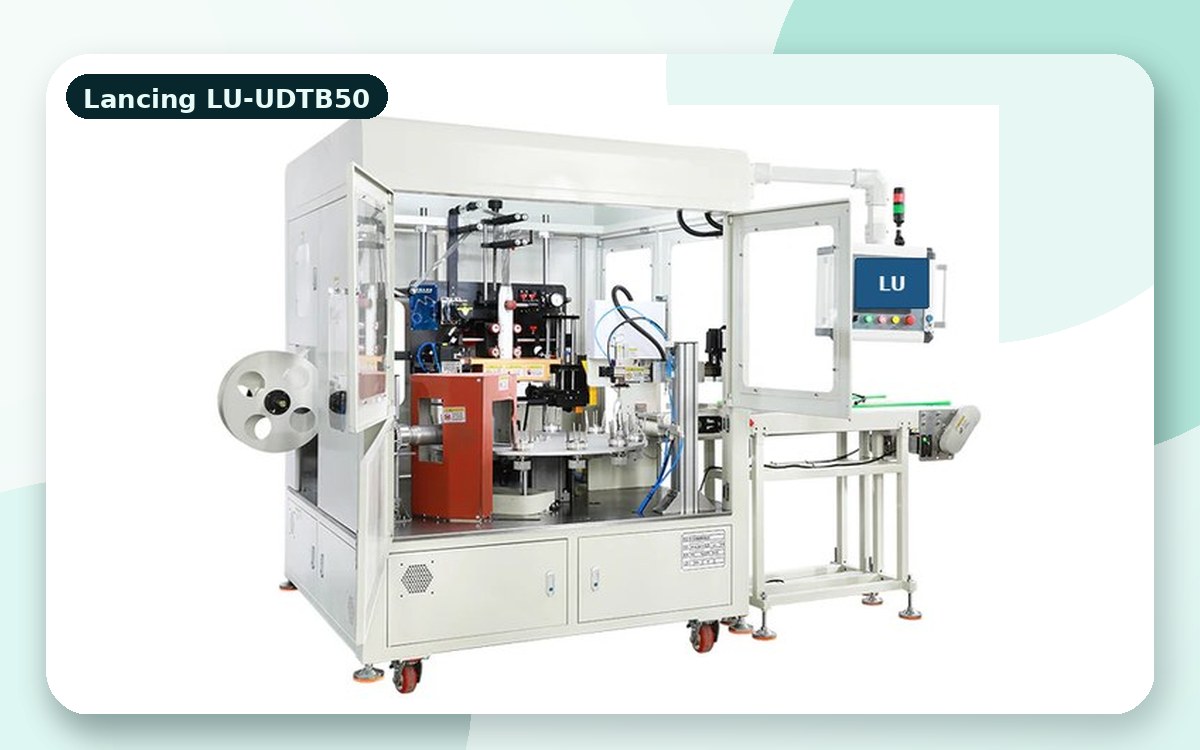
Automatic machines are normally chosen when output, repeatability and line integration matter. The applicator feeds and cuts sleeves, places them over the pack and passes the product to a shrink tunnel with controlled spacing.
Batch flexibility
Semi-automatic sleeving can suit test runs, short batches, lower budgets and products that do not justify a fully automatic feed and cut system. It still needs a suitable tunnel and safe product handling.
Avoid poor fit
Small pack or sleeve differences can change the correct applicator, mandrel, conveyor and tunnel arrangement. These checks help prevent a machine being chosen on headline speed alone.
Quote details
For a useful recommendation, send the container dimensions, filled weight, sleeve material, lay-flat, cut length, target output, photos or drawings, and where the sleeve needs to sit on the pack. If the project is going into an existing line, include available conveyor height, line direction, utilities and footprint.
Related pages
These pages keep the search route connected to the right machine type, application and quote checklist.
Review automatic, rotary, horizontal and tunnel-based sleeve applicator routes.
Open page →Check the practical buying factors before choosing a machine, tunnel or complete line.
Open page →Send pack, sleeve, output and layout details to Lancing for a practical recommendation.
Open page →FAQ
Semi-automatic systems usually cost less, but total labour cost, speed and rejected packs should be considered before choosing.
Often yes, but it is better to plan conveyor height, tunnel capacity and pack handling with future output in mind.
Contract packers often need fast changeovers and flexible handling; the best route depends on the pack range and batch size.
Project support
Lancing can review the packaging format, sleeve material, shrink tunnel requirement and line layout before recommending the most suitable sleeve applicator configuration.