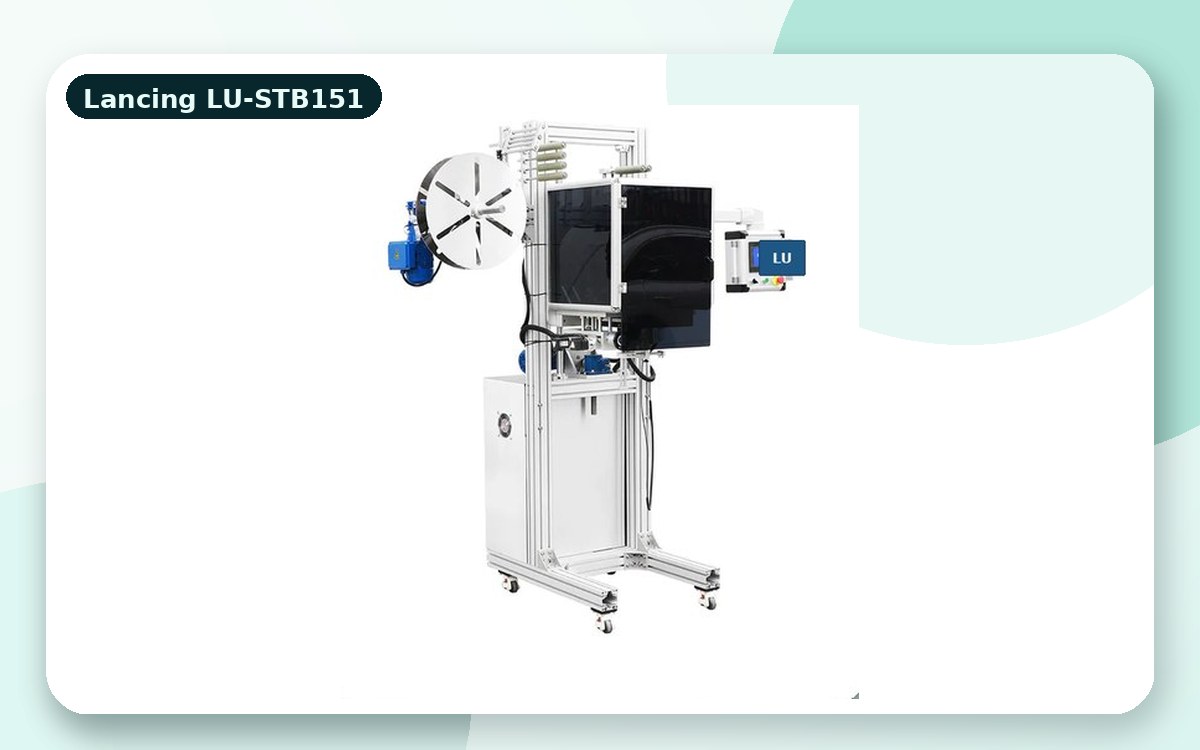
Automatic PVC Sleeve Applicator
Bottle sleeves, half sleeves, cap seals and tamper-evident neck bands for small to medium production.
- Up to 100 bottles/min
- Bottle dia. <64 mm
- 110V / 220V
- Full, half or tamper sleeves
Sleeve applicators UK
Compare sleeve applicator machines, shrink tunnels and integrated sleeving lines for bottles, jars, tubs, caps and shaped containers.
Machine range
Sleeve applicators are specified differently for cap bands, tamper-evident seals, partial sleeves and full-body decorative sleeves. The right solution depends on the container shape, sleeve material, cut length, application position, shrink tunnel and required production output.
Lancing LU sleeve applicator options
The site now includes distinct machine options for compact sleeve application, full bottle sleeve lines, rotary shrink sleeving and horizontal sleeving for small products. Model references use the Lancing LU naming route throughout.
Bottle sleeves, half sleeves, cap seals and tamper-evident neck bands for small to medium production.
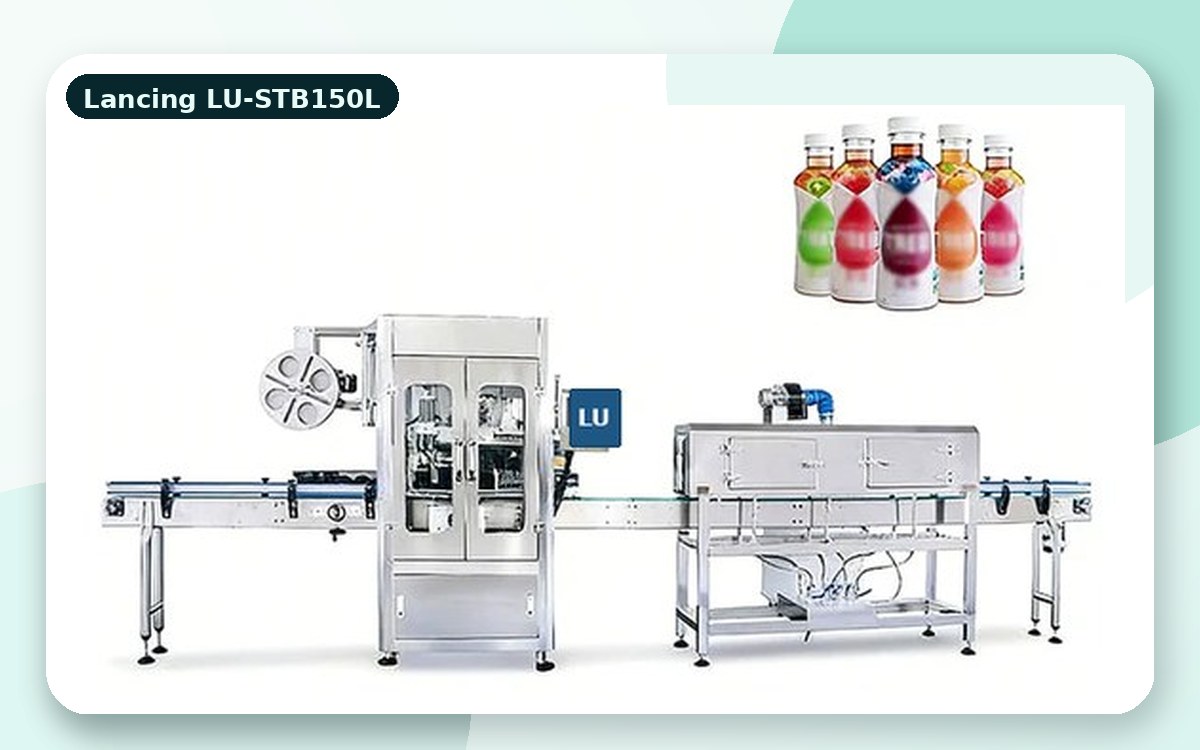
High-speed bottle sleeving where the applicator, conveyor and shrink tunnel need to be specified as one system.
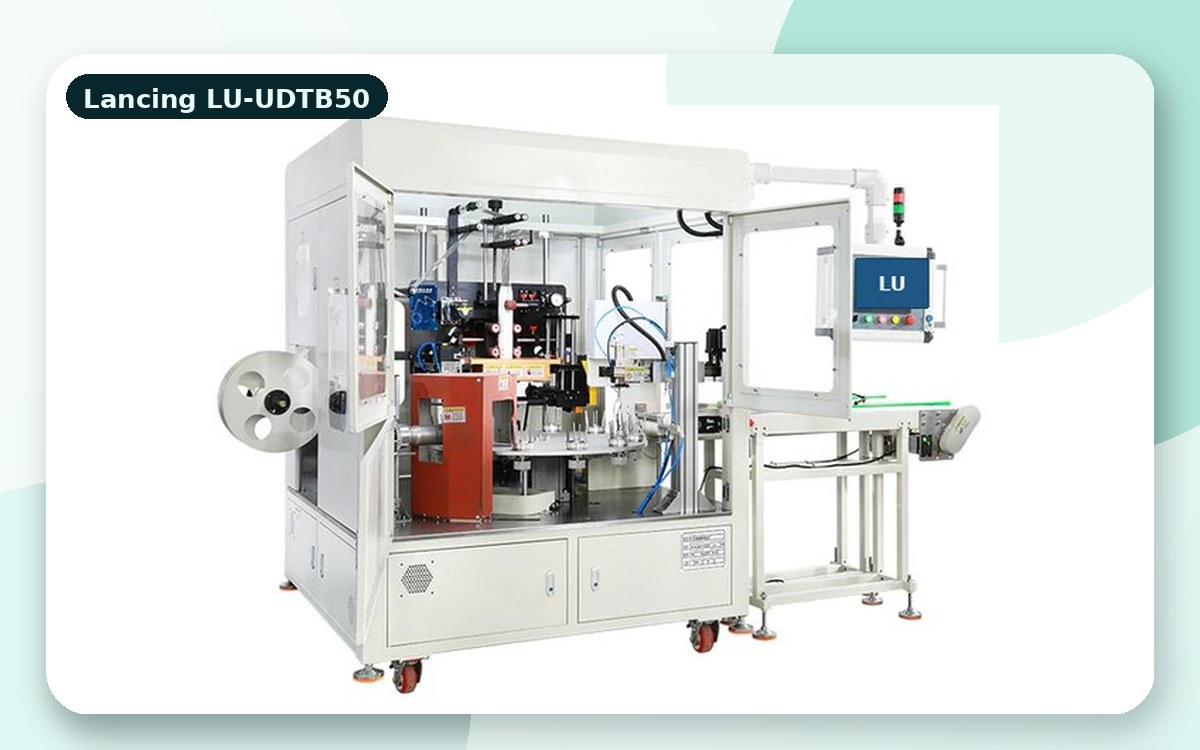
Cosmetic, personal-care, hygiene and pharmaceutical-style packs that benefit from rotary handling and repeatable sleeve placement.
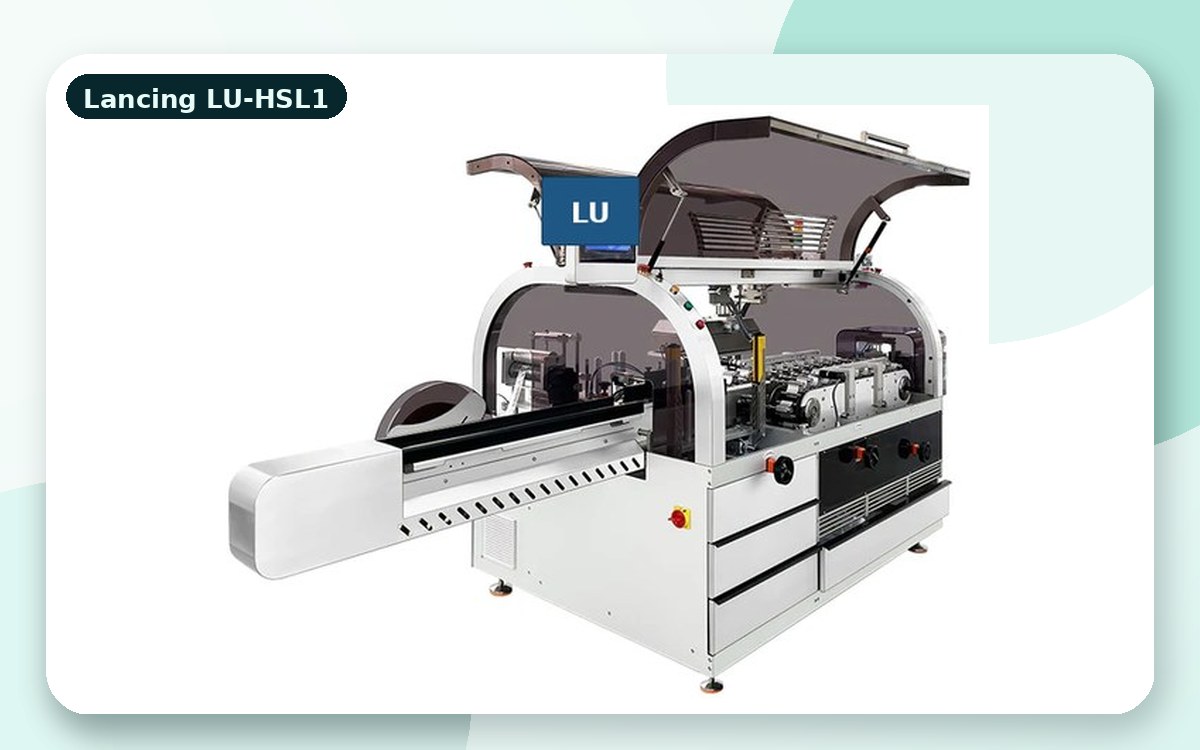
Slim, lightweight or small products that need to be carried horizontally through the sleeving and shrinking process.
Browse by machine type
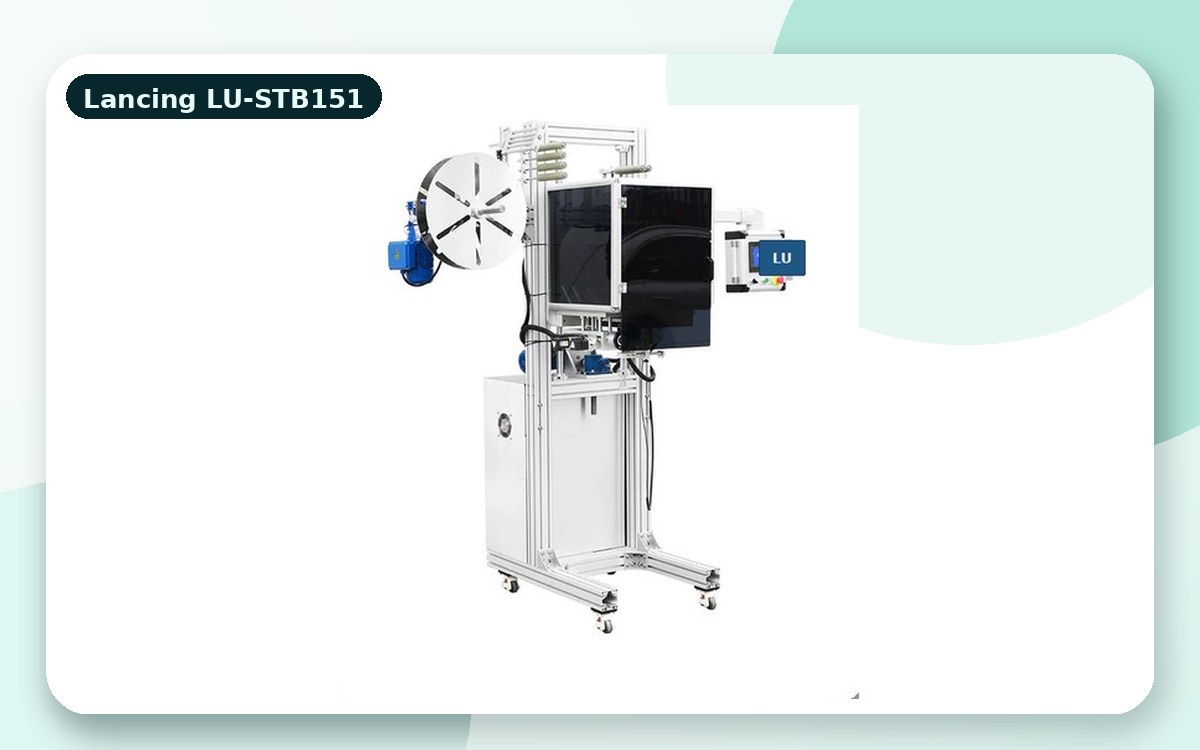
For neck bands, cap seals and security sleeves over lids or closures where repeatable placement and clean perforation matter.
Learn more →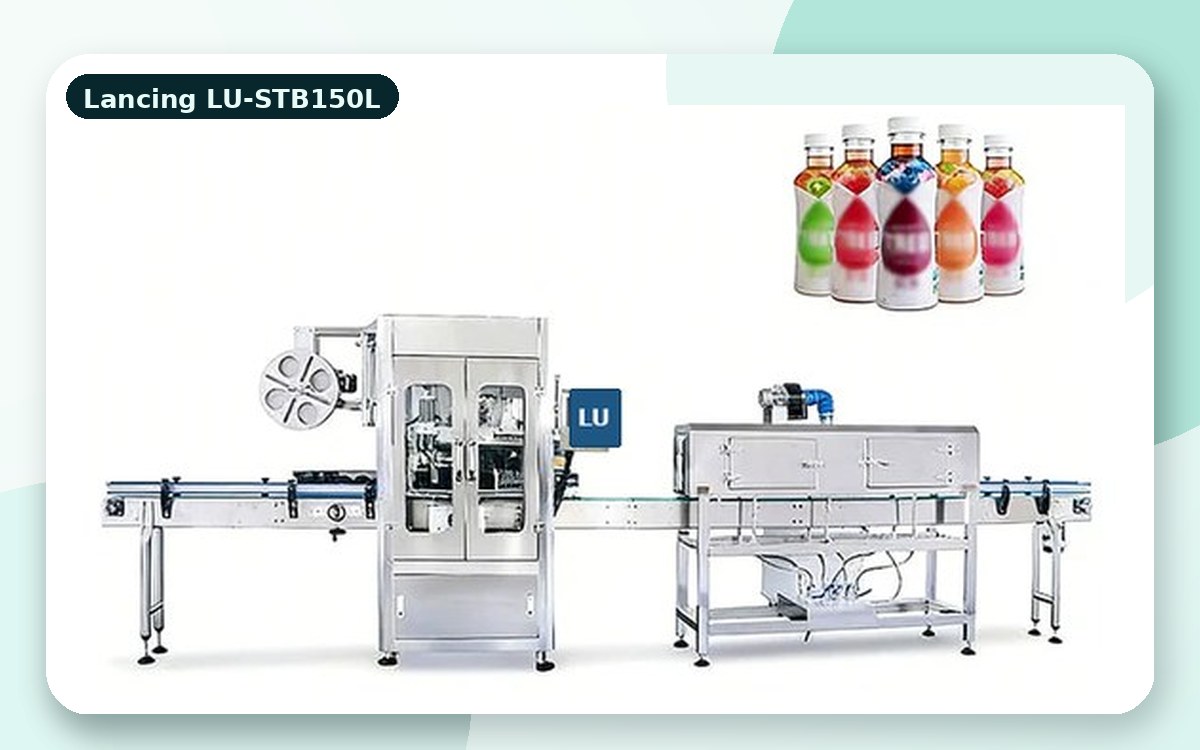
For promotional, decorative and high-coverage sleeve labelling on bottles, jars and shaped containers.
Learn more →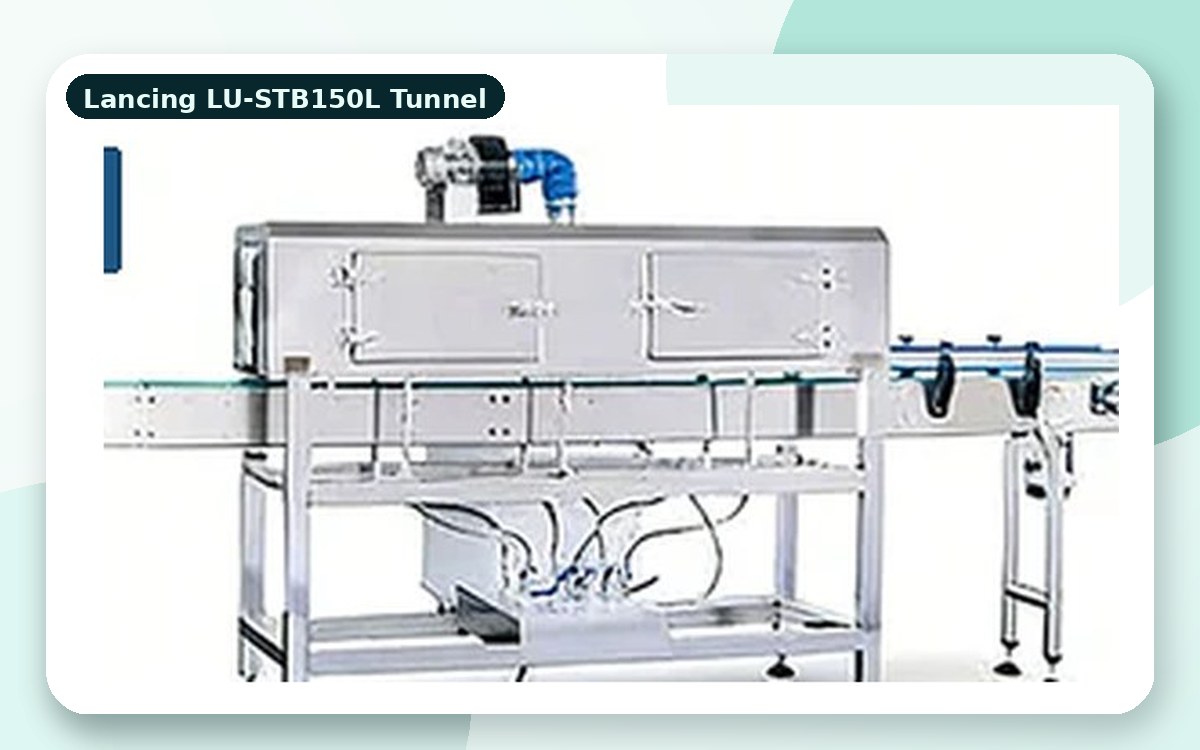
Steam, hot-air and electric tunnel routes matched to shrink quality, sleeve material, container shape and available utilities.
Learn more →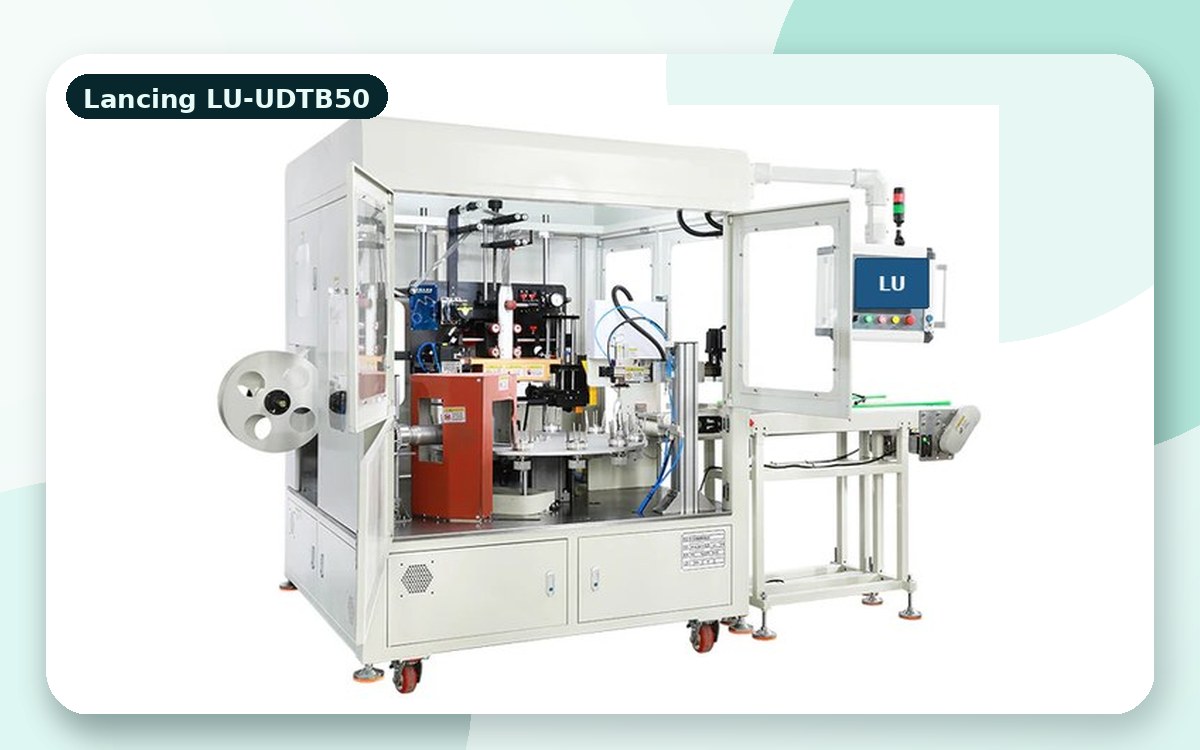
Inline machinery for production lines where speed, positional repeatability, conveyor control and changeover need to be managed.
Learn more →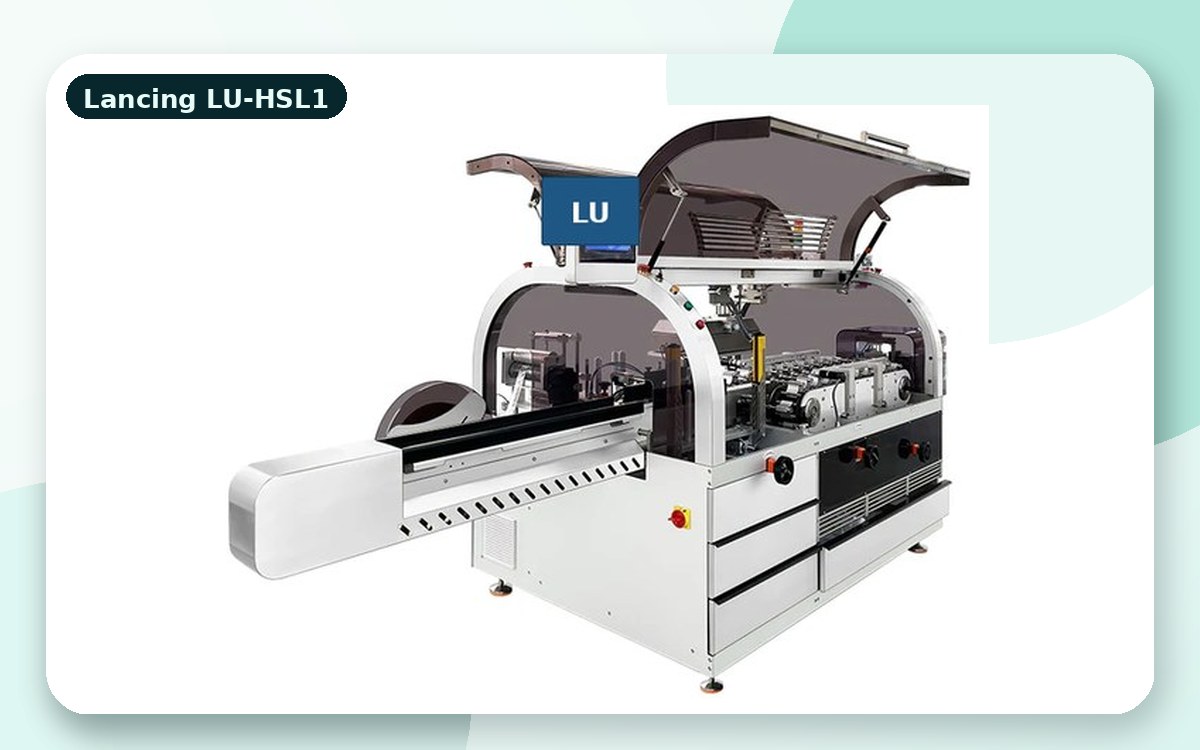
For tubes, vials, lipsticks and smaller products where horizontal transport helps keep packs stable through sleeve application and shrink.
Learn more →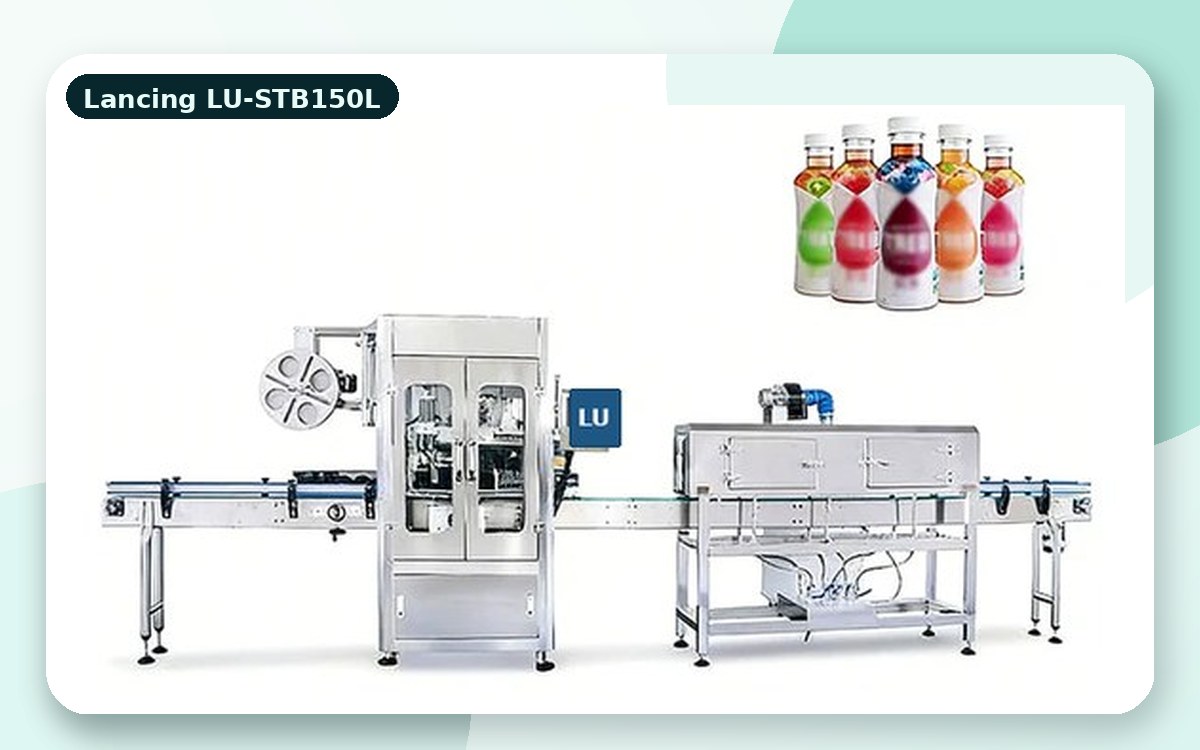
Integration with filling, capping, labelling, coding, conveyors, shrink tunnels and accumulation for a joined-up packaging process.
Learn more →How we shortlist
A sleeve applicator is not chosen from speed alone. The machine needs to match the way your sleeve opens, cuts, drops, positions and shrinks on the real container.
Full-body label, partial sleeve, multipack band, neck band or tamper-evident cap seal.
Bottle, jar, tub, cap, material, shape, stability, shoulders, taper and conveyor handling.
Steam, hot-air or electric shrink tunnel selected around shrink quality, utilities and sleeve material.
Output target, upstream capping, downstream packing, coding, space and operator access.
SEO landing routes
The new site targets machine buyers searching by container, sector and sleeve function, not only by the phrase “sleeve applicator”. This gives the domain more long-tail coverage while keeping the site relevant and technically useful.
Quote checklist
Good enquiries lead to better shortlists. Send photos, dimensions and production targets so the right applicator, tunnel and conveyor handling route can be reviewed.
FAQ
A sleeve applicator places a pre-printed shrink sleeve or tamper-evident band onto a container before the sleeve is shrunk into position by a heat or steam tunnel.
Usually yes. The applicator applies and cuts the sleeve; the tunnel controls the shrink process so the sleeve grips the bottle, jar, cap or container cleanly.
Often they can, but shaped, tapered, lightweight or unstable containers need sample testing because sleeve position, container handling and tunnel settings become more critical.
Yes. A sleeve applicator can be specified as a stand-alone unit or integrated with conveyors, filling, capping, labelling, coding and accumulation.
Send container dimensions, sleeve material, lay-flat, cut length, sleeve position, output target, tunnel preference, product photos and the available line footprint.
Project support
A useful sleeve applicator shortlist starts with the real pack: container shape, sleeve lay-flat, cut length, required position, tunnel type, production speed and line layout.
Engineering brief
A sleeve applicator project starts before the sleeve reaches the container. The reel must unwind consistently, the film must track through the feed path, a registration mark or fixed repeat must be read reliably, the cutter must produce a clean repeatable edge, and the opened sleeve must pass over the mandrel or former without snagging. The container then has to arrive at the correct pitch and remain stable while the cut sleeve is placed.
The shrink tunnel completes the process rather than correcting an application fault. A sleeve that is twisted, too high, too low or poorly cut before the tunnel will normally remain a quality problem afterwards. For this reason, pre-tunnel placement and post-tunnel finish should be measured separately during a sample trial.
Send production containers from the difficult ends of the size range, the intended sleeve reel or representative trial sleeves, and a drawing or measured record showing where the finished sleeve must sit. Include cap, shoulder, base and grip features because these can affect both sleeve placement and the shrink curve.
Where the sleeve carries a barcode, fine text, an opening instruction or a tamper-band perforation, identify the critical area on the artwork. That allows the applicator feed, registration, seam position and tunnel profile to be assessed against the feature that must remain usable after shrinking.
Sample-trial method
Published dimensions and speeds are useful shortlisting data, but the order specification should be based on representative containers, sleeves, line conditions and measurable finished-pack criteria.
This site owns shrink-sleeve labels and tamper bands. For self-adhesive bottle labels, compare the dedicated options at Labelling Machines UK or Bottle Labellers UK. For PE film around multipacks, trays or grouped bottles, use Sleeve Sealers UK. Complete filling, capping, sleeving and end-of-line integration belongs on Packaging Lines UK.
Open the sample-testing guide →Buyer questions
Use the sleeve supplier’s controlled dimension and compare it with the container at the widest covered point. The machine supplier should then confirm opening and mandrel clearance with the actual sleeve and container.
The shrink curve can change bar width, spacing and contrast, especially across shoulders or curved panels. Readability should be verified on finished packs from the intended tunnel process.
Record the applied sleeve before entry, the pack travelling through the tunnel and the cooled finished result. Include the line speed and recipe reference so the evidence can be repeated.
Production handover
A machine shortlist becomes a usable production specification only when every approved format is tied to the container, closure, sleeve reel, artwork revision and tunnel recipe used during the trial. Keeping those references together prevents a later material or artwork change from being treated as though it were the same proven application.
The widest container is not always the most difficult format. A lighter bottle, a closure with a sharp transition, a sleeve with more demanding artwork or a band with a critical perforation can set the application limit. The trial matrix should therefore include the dimensional extremes and the formats most likely to challenge feeding, cutting, placement or shrinking.
Use the lay-flat and cut-length guide to control sleeve dimensions, then use the sample-testing guide to record unshrunk placement and the cooled result separately. The machine range can then be compared against evidence rather than a model name alone.
Final process control
The strongest machine selection combines the applicator, shrink tunnel, material, inspection method and existing line controls. These technical guides help production and engineering teams define evidence before quotation, FAT and commissioning.
Separate application and tunnel faults, define measurable datums and retain controlled samples.
Open quality guide →Specify registration, pack tracking, line signals, fault response and reject confirmation.
Open controls guide →Plan artwork position and verify machine-readable symbols on the cooled finished pack.
Open barcode guide →Survey product flow, conveyor, controls, safety, tunnel utilities and installation access.
Open retrofit guide →Compare the complete process boundary, acceptance evidence, change parts and delivery services.
Open comparison guide →Relate sleeve material and coverage decisions to current packaging guidance and process trials.
Open design guide →Send the actual container and closure, sleeve reel data, artwork and perforation, desired finished position, production condition, tunnel requirement and line layout. Lancing can then review the machine route against a defined pack rather than a generic application.
Send the sleeve project detailsPractical buyer questions
These answers connect the machine choice to the pack, artwork, line sequence and evidence needed for a useful recommendation.
Start with the finished coverage and function. A short band normally protects or decorates the closure area; a full-body sleeve uses a much longer cut and makes container shape, artwork distortion and tunnel profiling more important. Send one approved finished-pack example or a drawing with top and bottom sleeve datums so the route can be compared against the actual task.
See how the process works →Agree the container and closure revision, sleeve lay-flat, cut length, seam position, winding direction, registration mark, perforation, artwork repeat and critical areas such as barcodes or opening instructions. Artwork approved before the physical sleeve path and shrink behaviour are understood may need avoidable distortion or print changes later.
Understand registration marks →An enquiry is ready when it identifies the real container and closure, sleeve construction, required finished position, format range, good-output requirement, line direction, available space, utilities and adjacent equipment. Photos help orientation, but controlled dimensions and representative samples are needed where fit, heat or handling is critical.
Browse the buyer question library →Request a controlled trial when the pack is tapered, lightweight, flexible, artwork-critical, heat-sensitive, perforated or part of a multi-format line, or when sustained output and reject behaviour must be demonstrated. Published ranges establish a shortlist; they do not prove the complete sleeve, container and tunnel combination.
Plan the sample trial →Production readiness
A sleeve application that is approved during a trial can change when the container, closure, film, artwork, perforation or tunnel condition changes. Production teams therefore need a controlled record that links each approved format to the actual components and settings used to create the finished pack.
The handover should distinguish the sleeve before shrinking from the finished pack after cooling. That separation helps an operator decide whether a fault began at reel feed, registration, cutting or placement, or whether it was created by the tunnel profile, utilities or cooling arrangement.
Send the difficult container formats, sleeve drawing or reel data, target good output, available utilities and a simple line layout. Include the intended inspection points and any barcode, perforation or artwork feature that must remain functional after shrinking.
Use the sample-testing guide, compare the machine routes, and review the tunnel process before fixing the final configuration.
Send the controlled sleeve project briefTraceability and release
A sleeve can be positioned and shrunk correctly while the finished pack still fails its traceability requirement. The project brief should therefore define where date, batch, lot, expiry or two-dimensional codes are applied; how the printer is triggered; what happens after a missed or unreadable code; and which cooled finished packs are retained as the approved reference.
Code location should be considered with the sleeve seam, perforation, artwork distortion, shrink curve and barcode area. Testing the complete sequence—application, tunnel, cooling, coding or code exposure, inspection and reject handling—provides stronger evidence than checking each machine in isolation.
Use the date and batch coding guide for shrink sleeves with the existing quality-control guide when preparing a line specification.
Additional selection decisions
Three buyer decisions were not previously separated clearly enough: heat-shrunk versus elastic sleeves, external tamper bands versus under-cap induction seals, and film thickness versus the stiffness and cut behaviour seen by the applicator.
Compare container shape, heat exposure, required coverage, tunnel footprint and how the sleeve retains its position.
Compare the sleeve methods →Separate the visible band around the closure from the compatible liner sealed beneath the cap.
Compare the sealing functions →Understand why nominal micron alone does not define reel feed, opening, cut quality or shrink behaviour.
Open the film handling guide →For any of these decisions, send the actual container, closure and sleeve or liner information, plus the required finished pack, line condition and target good output. Lancing can then compare the process boundaries before recommending machinery.
Send the pack detailsThese describe different packaging tasks. A shrink-sleeve label is applied around an individual container, while multipack wrapping groups products in film. Specify whether your enquiry concerns decoration, an opening feature or a grouped transport or retail pack, then confirm the applicator, film and shrinking arrangement for that task.
Related guidance: See how the process works → · sample-testing guide