How Does a Shrink Sleeve Applicator Work?
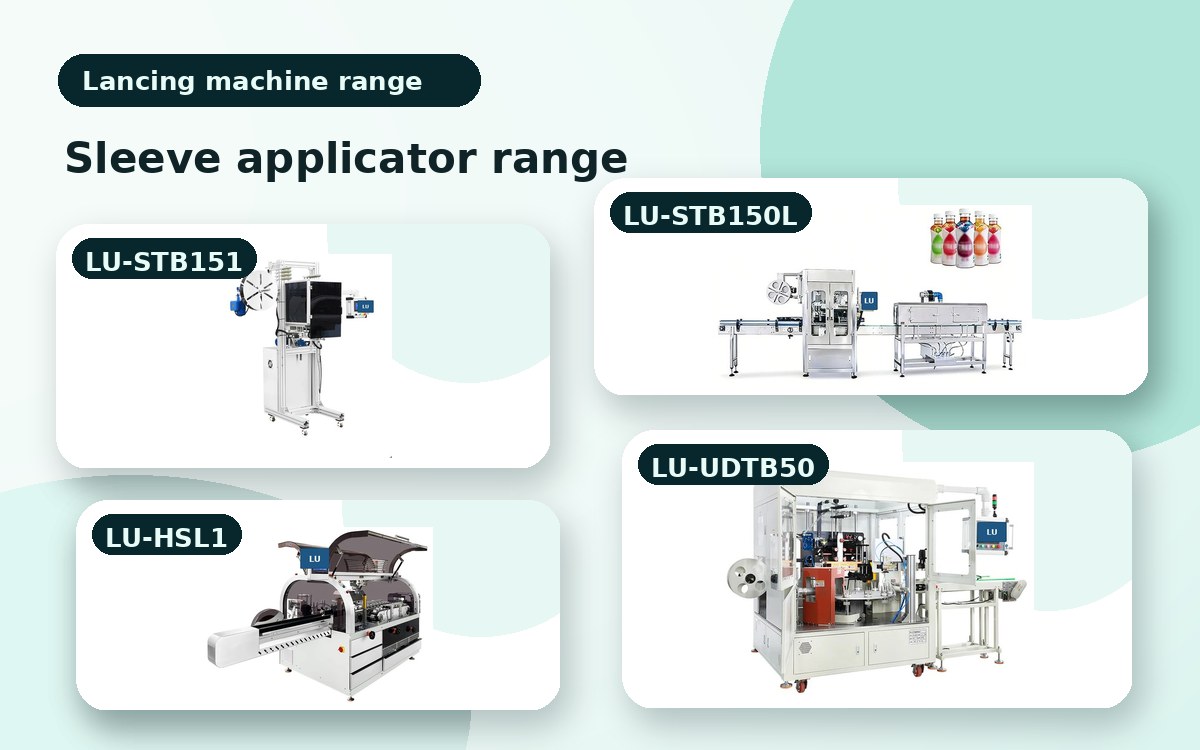
Follow the shrink sleeve process from reel feed and registration to cutting, placement, tunnel shrinking and finished-pack checks.
Read the answer →Buyer question library
Use these direct answers to understand the sleeve application process, qualify a container and sleeve, select the line position, control printed film, protect sensitive packs and prepare a useful machinery enquiry.
Find the decision you need
Each page gives the direct answer first, then explains the variables, evidence, practical limits and next step. The answers complement the existing machine pages, technical guides, comparisons and troubleshooting library without replacing them.
Follow the shrink sleeve process from reel feed and registration to cutting, placement, tunnel shrinking and finished-pack checks.
Read the answer →Learn which container and sleeve differences require settings, guides, formers, mandrels or change parts on a multi-format sleeve line.
Read the answer →Decide where sleeve application should sit in relation to filling, capping, coding and inspection on a packaging line.
Read the answer →Assess product, container and closure sensitivity before selecting a steam or hot-air shrink sleeve process.
Read the answer →Compare the sleeve-labelling considerations for glass, PET, HDPE, PP and metal containers without assuming one tunnel recipe fits all.
Read the answer →Understand what a shrink tamper band can show, what it cannot guarantee and how perforation, coverage and opening behaviour should be tested.
Read the answer →Use a staged check to separate sleeve reel, feed, cutting, placement, handling and shrink-tunnel causes before adjusting the line.
Read the answer →Understand how a print registration mark helps a sleeve applicator control cut position, artwork repeat and printed sleeve placement.
Read the answer →Use the answer in a project
Record the exact container, closure, sleeve reel, artwork, required position, line sequence, tunnel route and production condition. A question such as “will it run?” becomes answerable when the format and acceptance evidence are defined.
For numerical machine ranges, use the verified model pages and treat the actual pack trial as the application authority.
Project support
Lancing can review representative samples and line information before recommending a machine route, tunnel process or controlled trial.