Full-body bottle sleeves
A route for 360-degree decoration, shaped-bottle presentation and high shelf impact.
Bottle sleeve applicators
Plan sleeve applicator machinery for bottles, including full-body shrink sleeves, bottle neck bands, partial sleeve labels and integrated shrink tunnels.
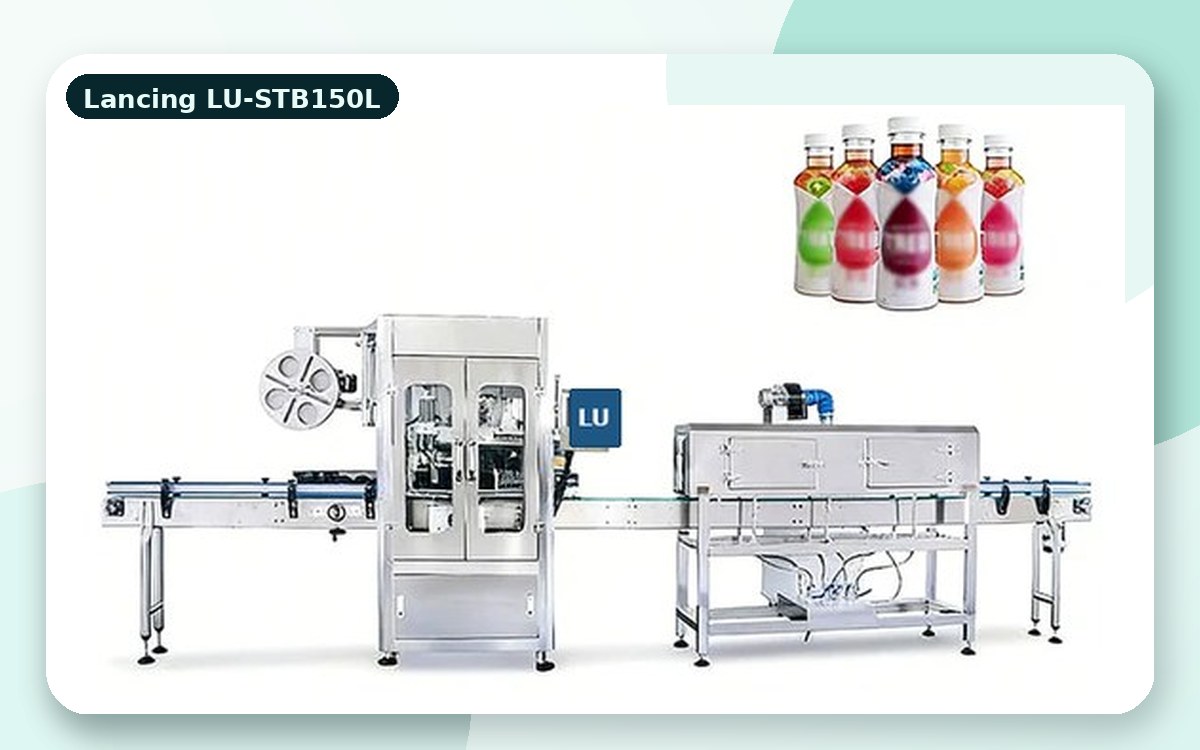
Bottle sleeving
Bottle sleeve applicators can be specified for full-body sleeve labels, partial body sleeves, neck bands and tamper-evident cap seals. The key variables are bottle stability, shape, shoulder profile, sleeve length, label position and the route through the shrink tunnel.
Round bottles are usually simpler to handle than oval, square, tapered or lightweight bottles. Irregular shapes can still be good candidates for shrink sleeves, but samples should be checked before final specification.
A route for 360-degree decoration, shaped-bottle presentation and high shelf impact.
Tamper-evident bands over caps and closures after capping and before final packing.
Shrink quality depends on the sleeve material, tunnel type, bottle geometry and conveyor dwell time.
FAQ
Often yes, but shaped, tapered and lightweight bottles need sample testing to confirm handling and shrink quality.
Bottle dimensions, material, photos, cap style, sleeve lay-flat, cut length, sleeve position, output and layout are the most useful starting points.
Project support
A useful sleeve applicator shortlist starts with the real pack: container shape, sleeve lay-flat, cut length, required position, tunnel type, production speed and line layout.
Bottle format validation
A bottle sleeve applicator must handle the pack before the tunnel and deliver a repeatable cooled result afterwards. The useful test is therefore not whether one sleeve can be placed by hand, but whether production bottles remain stable, the reel feeds and cuts consistently, the sleeve sits at the agreed height and rotation, and the tunnel produces an acceptable finish through starts, stops and sustained running.
Buyer questions
Test bottles in the state that represents production. Filling can change weight, rigidity, temperature, condensation and stability, while an empty bottle may deform or tip differently. Where the line can encounter both states, include both in the trial and define which condition governs acceptance.
Rapid diameter changes, shoulders, waists, handles, corners and unstable bases increase the difference between the unshrunk tube and the finished surface. Those features can affect opening, placement, local shrink, seam rotation and artwork distortion, so actual printed sleeves and production bottles should be used.
Prefer a stable, accessible area away from the seam, perforation and highest-distortion zones. Confirm readability and adhesion on cooled finished packs from the intended tunnel process. See the barcode verification guide and date and batch coding guide.
Send all commercial shape and size extremes, closures, representative production sleeves and enough samples for setup, sustained running, stops, restarts and retained approvals. Include drawings, intended output, upstream and downstream line details, and any known heat or condensation limits.