Sample testing for sleeve applicators
Plan representative formats, rate conditions, stops, restarts and retained evidence.
Open guide →Quality control
A controlled inspection plan separates feed, cutting, application and tunnel faults, then confirms that the cooled finished pack meets the agreed functional and visual requirements.
Inspection principle
A shrink sleeve can look wrong for several different reasons. The cut may be inconsistent, the sleeve may be applied at the wrong height, the pack may rotate before the tunnel, or the shrink process may pull artwork across a shoulder. Inspection is more useful when it identifies the stage at which the defect first appears.
Check the unshrunk sleeve before tunnel entry, then inspect the cooled finished pack. This avoids compensating for an applicator fault by over-adjusting the tunnel, or blaming the cutter for a distortion created by the shrink curve.
Inspection plan
The plan below is a framework rather than a universal tolerance. Measurements and defect limits should be agreed for the actual pack and the commercial function of the sleeve.
Measurement method
Measure sleeve height from a stable feature on the container, not from an inconsistent fill line or movable closure component. Record the top and bottom coverage separately where both matter. For a tamper band, define where the perforation should sit in relation to the closure opening point and the neck finish.
Artwork checks should use named panels or registration features. A statement such as “logo straight” is less repeatable than an agreed position or angle measured on a cooled pack. Barcode verification should be treated as a separate functional check rather than a general appearance decision.
Reaction plan
When a result moves, first establish whether the change started at reel feed, cutting, application, pack handling or shrinking. Record the first failed condition before changing several settings at once. A controlled single-variable adjustment makes the result easier to reproduce and reduces the risk of creating a second defect.
For recurring faults, use the troubleshooting guides and compare good and faulty samples against the same reel, container and recipe references.
Acceptance evidence
The approved evidence should travel with the project through manufacture, factory acceptance testing, installation and commissioning. That record gives operators and engineers a reference when a future sleeve batch, artwork revision or container change affects the process.
Use the sample-testing guide to define the run and the barcode verification guide for machine-readable symbols.
First-party machine video
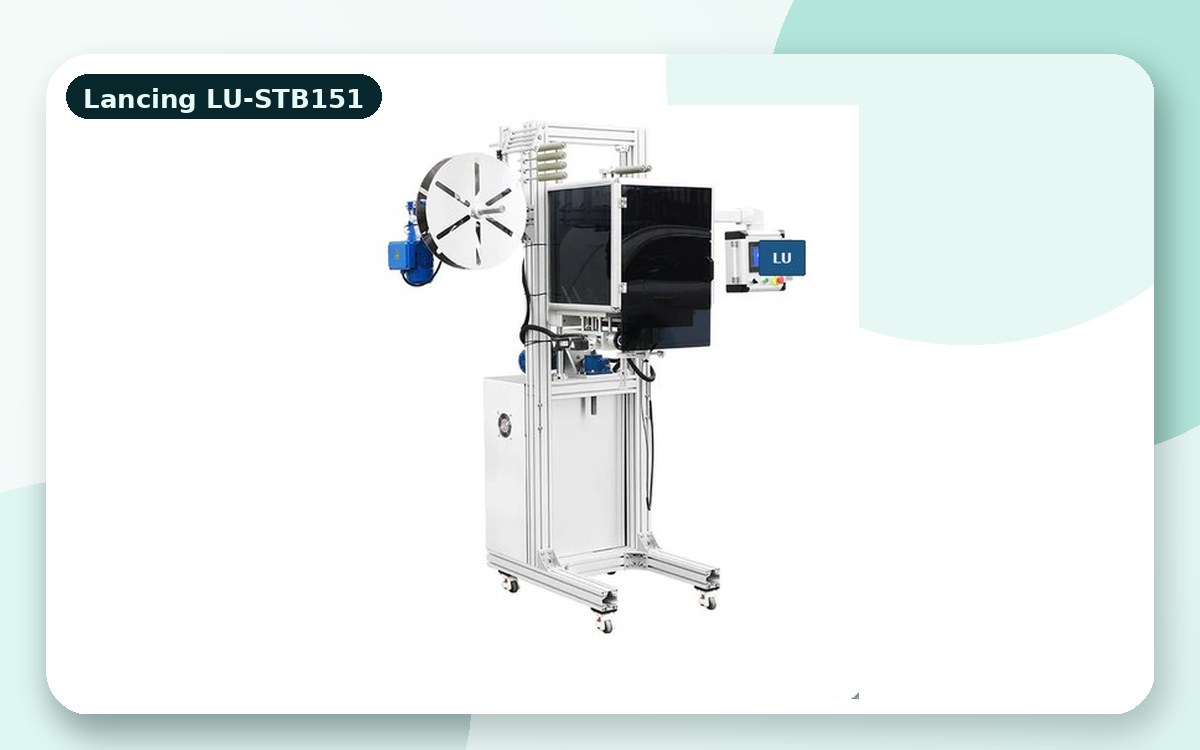
The existing Lancing sleeve-applicator video can help a project team identify the feed path, product spacing, sleeve placement and transfer into the shrink process. Video is supporting evidence rather than an acceptance test: the approved record should still include the actual container, sleeve reel, recipe and measured cooled result.
Buyer questions
Both. Pre-tunnel checks isolate application and cutting faults, while cooled post-tunnel checks confirm the final sleeve position, distortion, seam, perforation and pack condition.
A useful sample is tied to a named container, closure, sleeve reel, artwork revision, machine setup, tunnel recipe and production condition. An unreferenced good pack is difficult to reproduce.
Not safely. Acceptance limits depend on the function of the sleeve, artwork, container geometry, perforation and downstream requirements. Agree measurable criteria for each approved format.
The response should be defined by risk. A fault that compromises tamper evidence, barcode function, product safety or downstream handling may require immediate containment rather than routine adjustment.
Retain approved and rejected packs, pre-tunnel samples, reel and artwork references, measured results, tunnel recipe, line rate, intervention log and a short process video where authorised.
Related technical guidance
Use these connected pages to move from the current decision to a controlled machine, sleeve and tunnel brief.
Plan representative formats, rate conditions, stops, restarts and retained evidence.
Open guide →Control artwork placement and verify the finished symbol after shrinking.
Open guide →Define detection, reject confirmation and line response around critical faults.
Open guide →Project support
Lancing can review the container, closure, sleeve reel, required finished position, tunnel route, production conditions and existing line interfaces before recommending a machine configuration.