Retrofit an existing line
Survey mechanical and controls interfaces before fixing the applicator position.
Open guide →Controls and inspection
Reliable sleeve application depends on controlled product pitch, registration, web handling, fault response and a verified method for containing packs affected by a process failure.
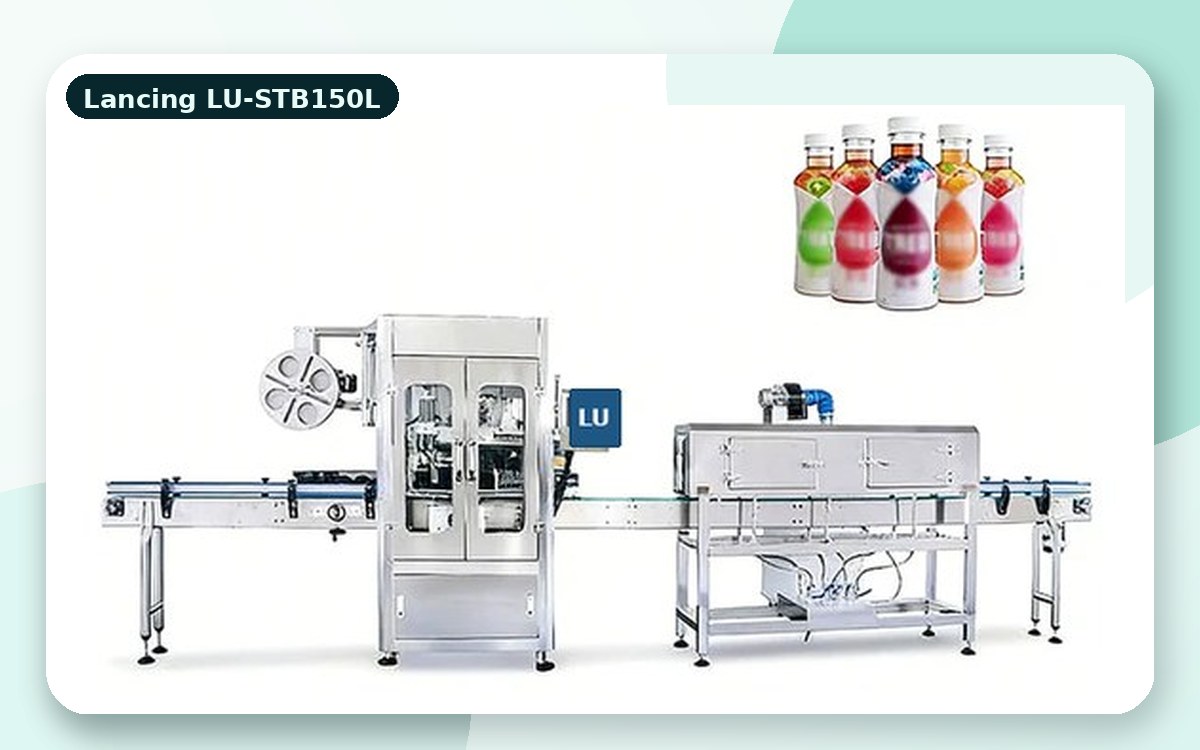
Control boundary
A sleeve applicator can only respond to information that is detected and linked to the correct pack. Product presence, reel registration and cutter timing are local machine functions; blocked discharge, upstream starvation, coding status or downstream reject capacity may sit elsewhere in the line.
Write the signal and responsibility boundary before integration. This prevents a fault being detected by one machine but ignored because no agreed response exists across the line.
Detection and response
Fault handling
Consider how the machine behaves if a sensor is dirty, a registration mark disappears, a sleeve fails to open or the reject confirmation is missing. A safe stop does not automatically protect product quality; the project also needs a method for identifying packs between the point of failure and the point where flow stops.
Agree how affected packs are cleared, how the process restarts and whether the first packs after restart require inspection. This is especially important where an unshrunk band can move while waiting before the tunnel.
Recipe and change control
Where the control system supports recipes, link each recipe to the container, sleeve, artwork, change parts and tunnel settings used during approval. Protect critical settings with appropriate access levels and record authorised changes.
Recipes cannot compensate for the wrong former, damaged cutter, dirty sensor or incorrect reel. The changeover check should combine physical parts, machine settings and a first-off inspection.
Line integration
Bench testing can prove individual inputs and outputs, but line behaviour depends on product accumulation, conveyor gaps and the response of upstream and downstream equipment. Include integrated tests during FAT or site acceptance where the project risk justifies them.
Use the retrofit guide for an existing line and the quality-control guide to define which process faults need containment.
Buyer questions
The exact set depends on the machine and risk, but projects commonly consider product presence and spacing, reel or web status, registration detection, sleeve application confirmation, tunnel conditions, downstream availability and reject confirmation.
Not necessarily. The response should match the fault and the ability to identify the affected pack. Some conditions justify a controlled stop; others may permit a verified reject. The logic should be agreed during the risk and process review.
Define hardwired or network signals, line ownership, start permission, ready, running, fault, blocked, starved, emergency-stop boundaries and restart behaviour. Avoid assuming that matching conveyor speeds alone will create a stable line.
No. Recipes can control repeatable settings, but format parts, guides, reel loading, cleanliness and verification still require competent setup and checks.
Challenge it with a controlled fault or test pack, confirm detection, track the intended pack to the reject point, verify physical removal and prove that the reject bin or confirmation device records the event as specified.
Related technical guidance
Use these connected pages to move from the current decision to a controlled machine, sleeve and tunnel brief.
Survey mechanical and controls interfaces before fixing the applicator position.
Open guide →Define which defects require stop, reject, containment or further verification.
Open guide →Review applicator, tunnel, conveyors and wider packaging-line interfaces.
Open guide →Project support
Lancing can review the container, closure, sleeve reel, required finished position, tunnel route, production conditions and existing line interfaces before recommending a machine configuration.
Pack tracking
When a date, batch, barcode or 2D code is added to a sleeved pack, the controls must associate the print event and inspection result with the correct container through the line. Stops, gaps, manual removals and reject-device faults can otherwise shift the decision onto the wrong pack.
Define the product-detect point, print trigger, inspection location, tracking method, reject confirmation and response to an unavailable reject system. Test these functions during normal running, starts, stops, queue recovery and format changes.
The date and batch coding guide explains where variable data can be applied relative to the sleeve applicator and tunnel.