Integrated lines
Continue comparing the machine, application and project details for this sleeve applicator requirement.
Open page →Line integration
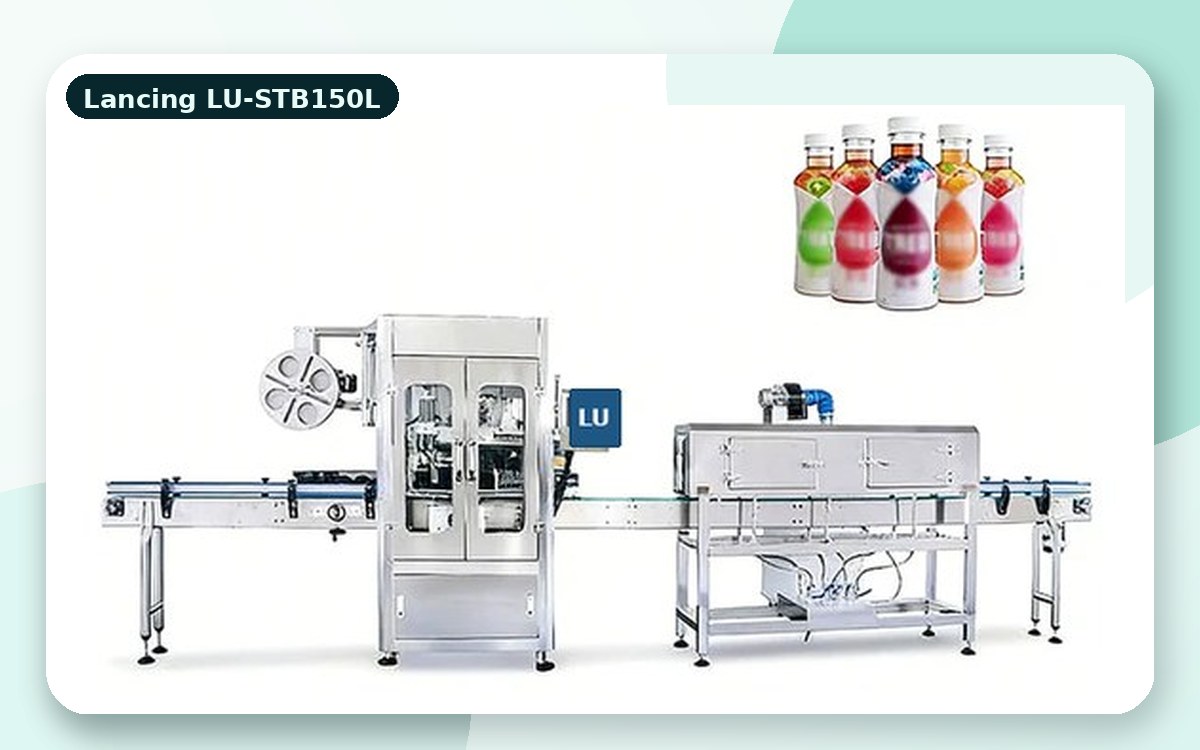
Sleeve applicators work best when the surrounding line is planned properly. Filling, capping, conveyors, coding, shrink tunnel and packing can all affect the final sleeving result.
Best-fit applications
The sleeve applicator should not be treated as an isolated machine. Lancing can review the full line so the applicator, tunnel and conveyors fit the process around them.
Specification checks
Good sleeve applicator selection starts with the real pack, the real sleeve and the target output. The checks below help narrow the applicator, conveyor and tunnel route before a quotation is prepared.
Related pages
These pages help connect the search route to the correct machine family, application type or quotation checklist.
Continue comparing the machine, application and project details for this sleeve applicator requirement.
Open page →Continue comparing the machine, application and project details for this sleeve applicator requirement.
Open page →Continue comparing the machine, application and project details for this sleeve applicator requirement.
Open page →FAQ
Yes, but conveyor height, product spacing, upstream speed, tunnel position and downstream packing should all be checked.
It depends on the pack and code location. Coding may be before or after shrink, but heat and sleeve movement must be considered.
Common issues include poor product spacing, unstable transfer, insufficient accumulation, tunnel footprint limits and no allowance for changeover access.
Project support
Lancing can review the pack format, sleeve material, target speed, tunnel route and line layout before recommending a sleeve applicator configuration.