Shrink sleeve material guide
Compare process implications without treating the film name as a recycling claim.
Open guide →Packaging design
Recyclability depends on the complete packaging system and the current guidance for its recycling stream; machine selection and application trials should support, not replace, that assessment.
Whole-pack decision
Shrink sleeves can provide decoration and tamper evidence, but recyclability cannot be inferred from the film name or machine type alone. Sorting and recycling compatibility can depend on the container material and colour, sleeve density and coverage, inks, seam system, perforation, closures and other components.
Use current design-for-recycling guidance for the exact packaging stream and obtain evidence from the material and packaging specialists responsible for the design.
Design and machine interface
Authoritative guidance
RecyClass publishes Design for Recycling Guidelines and packaging-specific resources, including guidance for PET and other plastic streams. These documents are updated as testing and sorting technology develop.
Do not publish a blanket recyclability claim based on a single component. Where a claim or certification is required, use the current scheme, testing route and competent packaging specialists.
Operational change control
A lower-density, perforated or differently printed sleeve may support a packaging objective but behave differently in the applicator and tunnel. Reconfirm reel handling, registration, cutter performance, shrink finish, barcode and opening function before production release.
Use the quality-control guide to define approval evidence and the sample-testing guide for the run method.
Careful claims
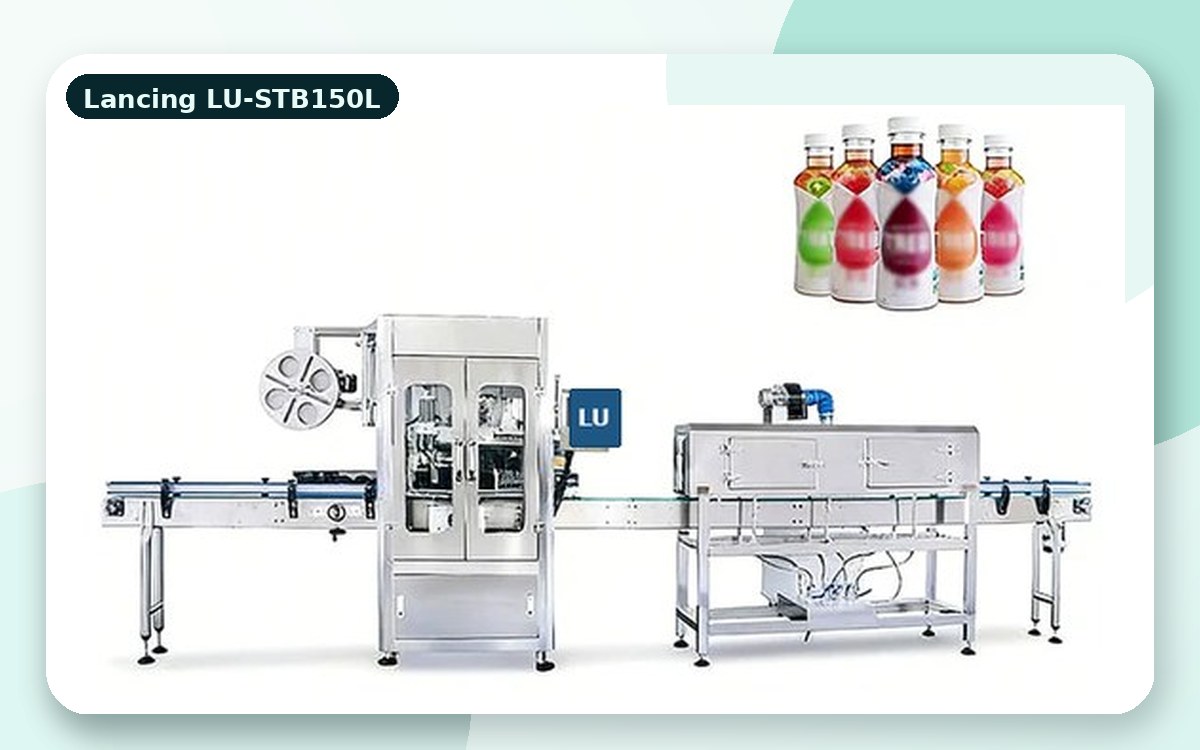
Machine suitability, sleeve application quality and recycling compatibility are separate questions. Lancing can support the application and tunnel trial; the packaging owner should control the recyclability assessment and any environmental claim.
For material-dependent process behaviour, continue to the sleeve material guide.
Buyer questions
No. Recyclability depends on the complete packaging system, collection and sorting context, container stream, sleeve material, coverage, inks, adhesives or seam system, closures and other components. Use the current applicable design-for-recycling guidance and testing.
The applicator controls placement and process repeatability, but material and packaging-design decisions sit with the brand owner, sleeve converter and relevant recycling guidance. A machine trial can prove application and removal features, not make a general recyclability certification.
A sleeve can affect the ability of sorting equipment to identify the underlying container and can change how components separate in recycling. The acceptable design depends on the container stream and current guidance.
Yes where the design relies on consumer or process removal. Test the actual material, perforation, pack and opening method after shrinking and normal handling.
Reassess when the container resin or colour, sleeve material, ink, coverage, seam, perforation, artwork or recycling guideline changes. Keep the approved packaging specification under change control.
Related technical guidance
Use these connected pages to move from the current decision to a controlled machine, sleeve and tunnel brief.
Compare process implications without treating the film name as a recycling claim.
Open guide →Tie material changes to measured application, tunnel and finished-pack evidence.
Open guide →Prove the changed sleeve and container through a controlled applicator and tunnel run.
Open guide →Project support
Lancing can review the container, closure, sleeve reel, required finished position, tunnel route, production conditions and existing line interfaces before recommending a machine configuration.