Automatic PVC sleeve applicator
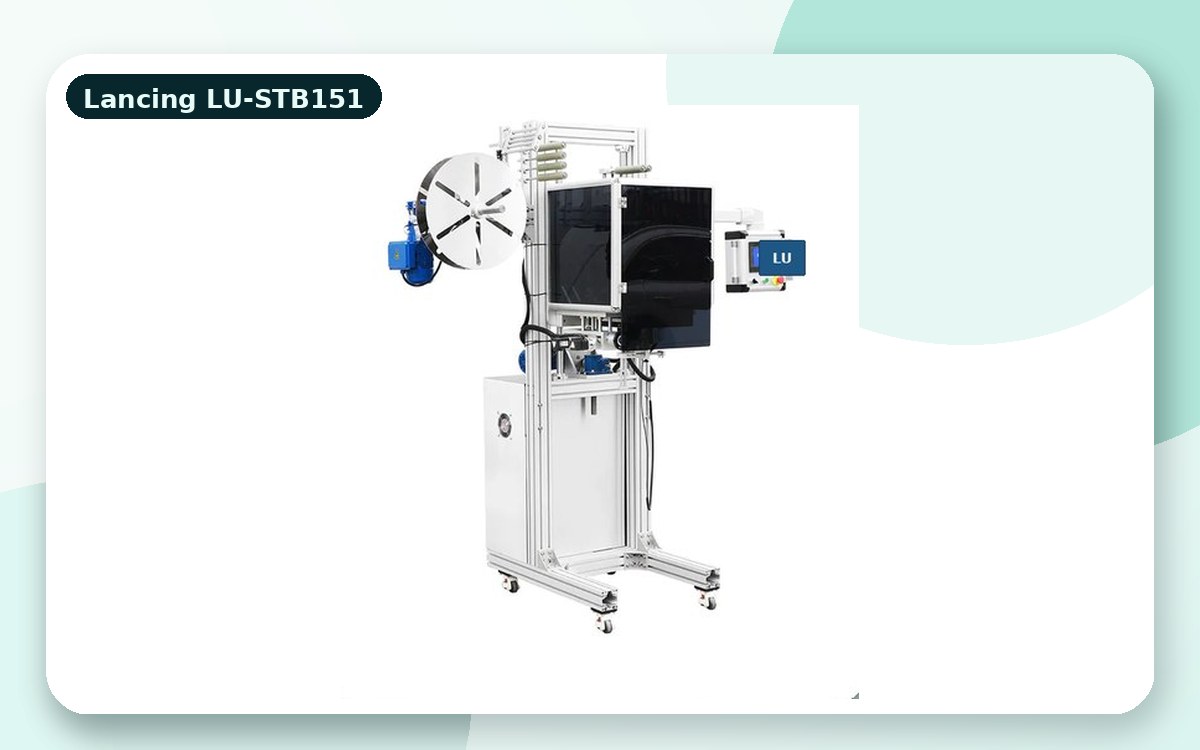
LU-STB151 Automatic PVC Sleeve Applicator
A compact automatic shrink sleeve applicator for bottle sleeves, half-body sleeves and tamper-evident neck bands, normally specified with a matched heat or steam shrink tunnel.
Where this machine fits
LU-STB151 for real sleeve applicator projects.
Bottle sleeves, half sleeves, cap seals and tamper-evident neck bands for small to medium production.
This page gives a practical shortlist view. Final selection should still be confirmed against your actual container samples, sleeve material, sleeve lay-flat, cut length, target output and tunnel requirements.
Best-fit applications
- Neck-band and cap-seal applications
- Full or half-body sleeve labels on smaller bottles
- Lines that already have or need a separate shrink tunnel
- Projects where changeover and compact footprint matter
Technical overview
LU-STB151 key specifications.
Use these figures as a starting point for line planning. Customisation, tooling and sample testing can change the final specification.
Related Lancing LU models
Compare this model with other sleeve applicator routes.
Different packs may need a compact applicator, a complete applicator-plus-tunnel line, rotary sleeve handling or horizontal product transport.
Project support
Send samples and sleeve data before committing to a model.
Lancing can review the container, sleeve, tunnel route, utilities, output and layout before recommending the correct sleeve applicator configuration.
Application qualification
Turn the LU-STB151 reference data into a container-and-sleeve specification.
The published bottle diameter and speed are a shortlist, not proof that every sleeve lay-flat, cut length or container geometry within that diameter will run. The actual reel must open over the selected former or mandrel, cut cleanly and reach the intended position before the separate shrink process.
Define the short band, half-body sleeve or full-body sleeve as a finished pack requirement. This gives the trial clear measurements for top and bottom position, seam orientation, perforation and artwork rather than relying only on whether the sleeve shrinks.
Sleeve data that still controls selection
Provide lay-flat, cut length, film type, thickness, seam, reel direction and any registration mark. Those values are not replaced by the published bottle-diameter figure because they determine the feed path, opening clearance and cutter cycle.
For tamper bands, identify the finished band height and perforation relative to the cap or lid. For full or half sleeves, identify the artwork and barcode areas that must remain stable through shrink.
Separate the applicator from the tunnel result
Retain unshrunk samples to confirm cut quality, height and twist before the tunnel. Then record the tunnel recipe and inspect the cooled pack for shrink finish, artwork distortion, barcode readability and any effect on the container or closure.
A clean tunnel result depends on a correctly applied sleeve, so application and shrink faults should not be assessed as one undifferentiated defect.
Compact-line changeover
List all required formers, mandrels, guides and settings for the proposed range. Confirm access for reel changes, film threading, cutter cleaning and normal operator recovery after a stop.
Where the applicator is added to an existing conveyor, check pitch control, side guides and the interface signal that prevents containers arriving while the sleeve feed is not ready.
Evidence pack for quotation and trial
- Bottle samples with cap, shoulder and filled-weight information
- Sleeve lay-flat, cut length, film, thickness, seam and reel direction
- Registration-mark or fixed-cut method and print-repeat drawing
- Finished sleeve position, perforation and barcode criteria
- Target good output and representative sample quantities
- Separate tunnel route, utilities, layout and downstream handling
Buyer questions
Turn the LU-STB151 reference data into a container-and-sleeve specification. buyer questions
Does a bottle diameter below 64 mm guarantee compatibility?
No. Height, shoulder, closure, stability, sleeve dimensions and the intended tunnel must also be qualified with samples.
What lay-flat and cut-length range does the LU-STB151 accept?
The current page does not publish a confirmed range. Supply the actual sleeve drawing and reel so the required former, feed and cutter arrangement can be confirmed.
Can the machine apply a short tamper band?
Tamper-evident sleeves are included in the stated functions, but the cap geometry, finished band height, perforation and tunnel result still require approval.
Is a shrink tunnel included?
The page describes the applicator as normally specified with a matched heat or steam tunnel. The final tunnel scope and utilities should be stated in the quotation.
How should the published speed be tested?
Agree a representative container and sleeve, a sustained run duration, good-pack criteria, allowed interruptions and the tunnel conditions used for the test.
Can the applicator be installed on an existing conveyor?
Potentially, subject to conveyor height, container pitch, stability, controls, footprint and the entry and exit conditions around the machine.
LU-STB151 control window
Qualify compact vertical application at the cutter, placement point and tunnel entry.
The published bottle reference for the LU-STB151 is a diameter below 64 mm. That is an initial size gate rather than a complete container envelope: the source data does not state a universal bottle-height range, shoulder limit or stability limit. Those points should be confirmed with the actual filled and empty packs before the format is accepted.
Separate neck-band and body-sleeve acceptance criteria
A short tamper band makes cut position, closure coverage and perforation behaviour critical. A body sleeve places more demand on opening, drop, shoulder clearance, artwork distortion and the shrink profile. Where one machine is expected to run both, approve each function as its own format with its own tooling, settings and tunnel recipe.
The published machine envelope of approximately 2040 × 900 × 2071.5 mm should be placed on the site layout with reel loading, guarding, operator access, maintenance clearance and conveyor interfaces shown. The separate tunnel footprint and utilities also need to be included.
When to compare another LU route
Compare the LU-STB150L integrated line where a broader published bottle range and matched tunnel scope are required. Compare the LU-HSL1 horizontal route where slim or lightweight products cannot be presented reliably upright.
Use the sample-testing method and shrink-tunnel guide to define the evidence before ordering.
Send LU-STB151 samples and sleeve dataAutomatic application control
Qualify LU-STB151 with the printed reel and the difficult pack conditions.
The published format range is a shortlist, not a substitute for a controlled sample trial. Prove reel tracking, registration-mark detection, cutter condition, sleeve opening, container pitch and pre-tunnel placement using the intended sleeve material and representative containers.
Include starts, controlled stops, restarts and a reel change. These conditions can expose sleeve movement or missed application that does not appear during a short steady run.
Acceptance evidence
- Named container, closure, sleeve reel and artwork revision
- Measured cut length and top/bottom position before the tunnel
- Registration and perforation relationship where used
- Fault response and affected-pack containment
- Cooled tunnel result and good-output record
Published-rate test conditions
Test the LU-STB151 output reference with the real sleeve length, bottle pitch and tunnel route.
The stated output of up to 100 bottles per minute is a published machine reference. A production acceptance test should name the bottle, closure, sleeve reel, cut length, registration method, conveyor pitch and tunnel condition used during the run, and should define which packs count as good output.
Short tamper bands and longer body sleeves can create different feed, cutter and placement demands. Where both are required, each format should have its own setup record and acceptance result.
Record more than the highest observed count.
- Run condition agreed before the test
- Good packs, rejects, stops and operator interventions recorded separately
- Cut length, registration and pre-tunnel placement checked during the run
- Controlled stop, restart and reel-change response included
- Cooled packs checked for coverage, perforation and print function
Format proof for quotation
Supply the widest and most difficult bottle, the intended cap or closure and the actual printed sleeve. The published diameter gate does not define shoulder clearance, bottle height, stability or every sleeve-opening condition.
Plan the shrink-tunnel qualification and use the output-speed guide to agree a meaningful test.
Send LU-STB151 format data