Sleeve applicator quote checklist
Gather the pack, sleeve, output and layout data needed for a machine quote.
Open page →Output planning
Advertised machine speeds do not always equal real production output. Actual speed depends on sleeve length, container stability, tunnel dwell time, changeovers and downstream packing.
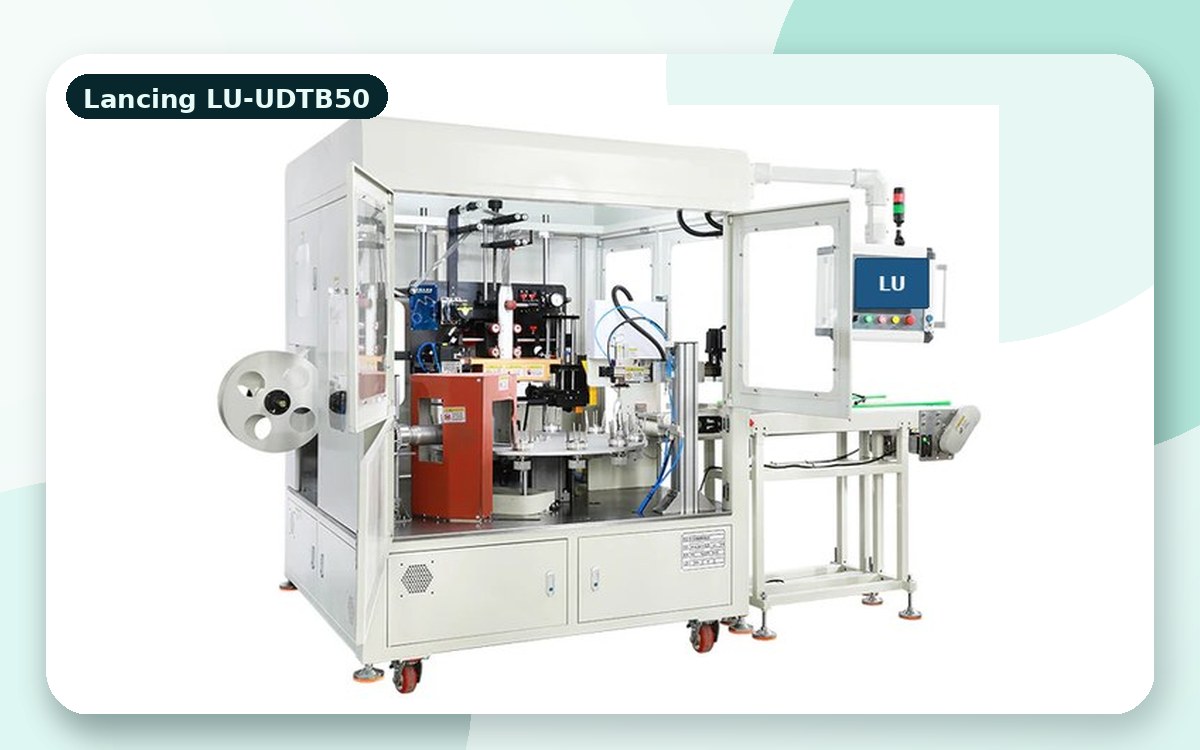
Real output
The sleeve applicator, tunnel and conveyors need to work as a balanced system. A fast applicator is not useful if the tunnel cannot shrink cleanly at that throughput.
Availability
Real output should account for operator intervention, sleeve roll changes, sample checks and short stops from upstream or downstream equipment.
Avoid poor fit
Small pack or sleeve differences can change the correct applicator, mandrel, conveyor and tunnel arrangement. These checks help prevent a machine being chosen on headline speed alone.
Quote details
For a useful recommendation, send the container dimensions, filled weight, sleeve material, lay-flat, cut length, target output, photos or drawings, and where the sleeve needs to sit on the pack. If the project is going into an existing line, include available conveyor height, line direction, utilities and footprint.
Related pages
These pages keep the search route connected to the right machine type, application and quote checklist.
Gather the pack, sleeve, output and layout data needed for a machine quote.
Open page →Review wrinkles, twist, tunnel issues and product handling problems.
Open page →Send application details for a practical sleeve applicator shortlist.
Open page →FAQ
State the required finished packs per minute or per hour, plus batch sizes and changeovers.
Yes. Tunnel dwell time and shrink quality often define the true maximum output.
No. Production speed should include real operating conditions and quality checks.
Project support
Lancing can review the packaging format, sleeve material, shrink tunnel requirement and line layout before recommending the most suitable sleeve applicator configuration.
Performance basis
A published speed may be measured with a particular container, cut length and machine condition. The useful project figure is the good output the complete line can sustain while meeting sleeve position, shrink, artwork, barcode and reject criteria.
State the format, sleeve, tunnel recipe, run duration, warm-up condition, allowed interruptions and method used to count good packs. This turns a headline figure into evidence that can be repeated.
The applicator, product spacing, tunnel dwell, cooling or drying, inspection and downstream packing can each limit good output. Record where the queue or starvation occurs instead of assuming the applicator is the only speed constraint.
A longer sleeve, unstable container or high-shrink shape may reduce the accepted rate even when the machine cycle remains unchanged.
Where practical, keep the sample references, count method and quality checks consistent between factory and site tests. Record differences in utilities, product condition or upstream/downstream interfaces.
If the test uses substitute materials, state the limitation and the evidence still required before final production acceptance.
Use the related pages to keep dimensions, samples, tunnel settings and acceptance evidence in one route rather than treating each decision in isolation.
Sleeve applicator quote checklist → Sample-testing guide → Send the project details →Buyer questions
Cycle rate is machine activity; good output is the count of finished packs meeting the agreed criteria over the stated run.
They should be counted and categorised. The report can then show gross cycles, good packs, rejects and the causes of loss.
Not necessarily. Feed, container pitch, registration, tunnel dwell and downstream handling all affect the sustainable rate.
Restarts can expose pitch, feed, cut and tunnel problems that do not appear during a short uninterrupted run.