Shrink tunnels
Continue comparing the machine, application and project details for this sleeve applicator requirement.
Open page →Troubleshooting
Shrink sleeve defects are often caused by a combination of sleeve size, applicator set-up, container handling and tunnel conditions. Looking at the whole process usually finds the cause faster.
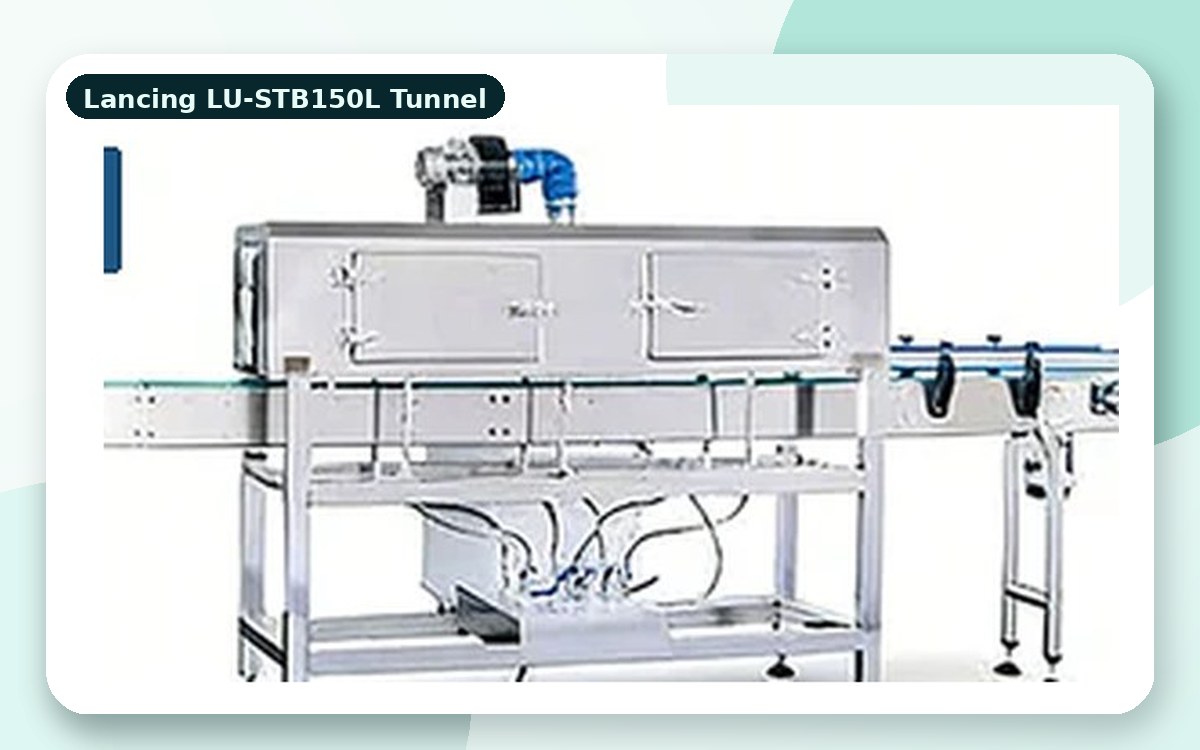
Best-fit applications
Troubleshooting should start with repeatable samples and photos of the defect. Lancing can review whether the problem is likely to be sleeve sizing, machine set-up, tunnel condition or container handling.
Specification checks
Good sleeve applicator selection starts with the real pack, the real sleeve and the target output. The checks below help narrow the applicator, conveyor and tunnel route before a quotation is prepared.
Related pages
These pages help connect the search route to the correct machine family, application type or quotation checklist.
Continue comparing the machine, application and project details for this sleeve applicator requirement.
Open page →Continue comparing the machine, application and project details for this sleeve applicator requirement.
Open page →Continue comparing the machine, application and project details for this sleeve applicator requirement.
Open page →FAQ
Wrinkles can come from incorrect sleeve size, uneven heat, insufficient dwell time, poor pack stability or a sleeve that moves before shrinking.
Bands can twist if the sleeve drops unevenly, the container is unstable, the band is too loose or tunnel airflow moves the sleeve before it grips.
No. Tunnel settings help, but sleeve dimensions, applicator timing and container handling must also be correct.
Project support
Lancing can review the pack format, sleeve material, target speed, tunnel route and line layout before recommending a sleeve applicator configuration.