Presentation
Sleeves can provide strong visual coverage for drinks, sauces and promotional food packaging.
Food and drink sleeve labelling
Compare sleeve applicator routes for drinks bottles, sauces, condiments, jars, food pots, promotional packs and tamper-evident sleeve bands.
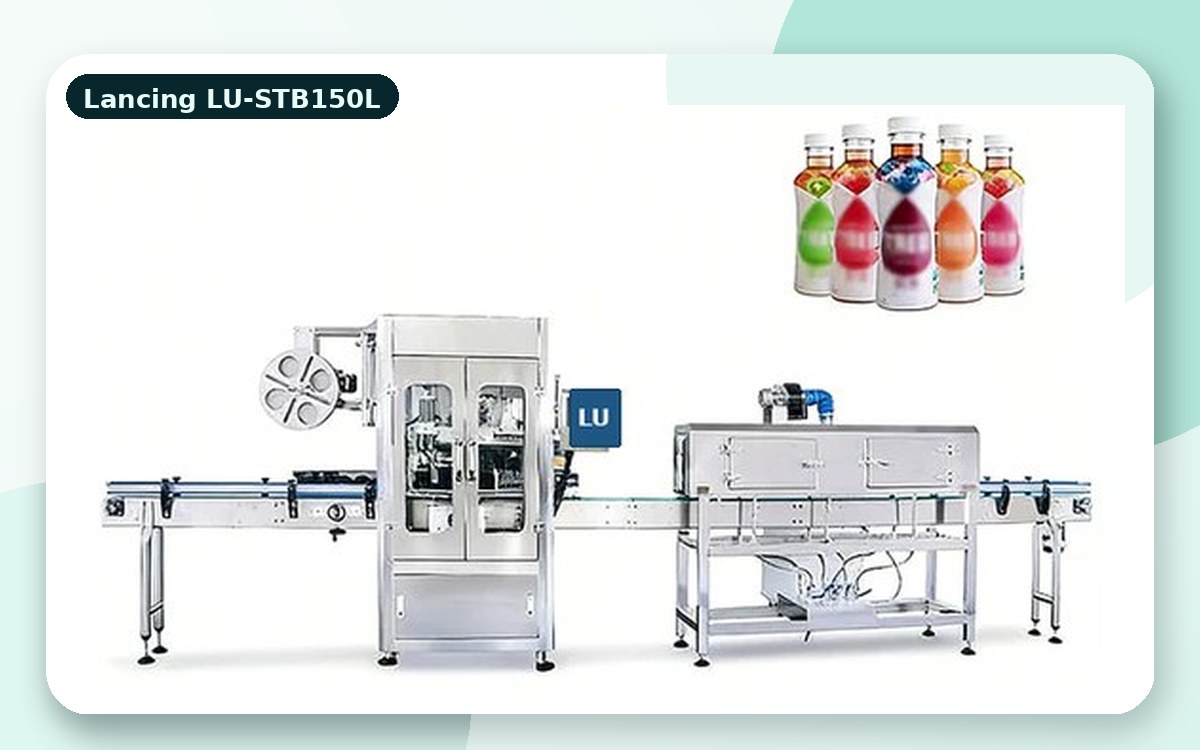
Food and beverage
Food and drink sleeving projects can include bottle decoration, promotional multipacks, jar lid seals, condiment bottle sleeves and tamper-evident bands. The right route depends on hygiene expectations, container stability, sleeve material, tunnel utilities and finished-pack presentation.
Because food and beverage lines often run families of SKUs, changeover planning is important. Container diameter, shoulder style, fill level, cap size and sleeve artwork should be reviewed together.
Sleeves can provide strong visual coverage for drinks, sauces and promotional food packaging.
Neck bands and lid sleeves can support visible pack security and consumer confidence.
Sleeving normally needs to be planned with capping, coding, inspection and final packing routes.
FAQ
Drink bottles, sauce bottles, condiment containers, jars, tubs, pots and promotional packs can all use sleeve applicators depending on the pack design.
Yes, many projects place the sleeve applicator after capping or lidding and before shrinking, coding or end-of-line packing.
Project support
A useful sleeve applicator shortlist starts with the real pack: container shape, sleeve lay-flat, cut length, required position, tunnel type, production speed and line layout.
Production conditions
Container temperature, condensation, product weight, closure state and washdown expectations can change how a bottle, jar or tub behaves on the sleeve line. A useful trial should use production-equivalent packs and sleeves, then check handling, placement, tunnel finish, coding and inspection after the pack has cooled.
Where packs arrive cold or wet, establish whether moisture affects sleeve grip, print adhesion, sensors, conveyor traction or downstream inspection. The solution may involve line timing, drying, product handling or a different point of application rather than changing the applicator alone.
Buyer questions
They can be suitable, but condensation and temperature need to be represented in the trial. Moisture can affect handling, sensors, printing and the finished appearance, while the product and container may also limit the acceptable tunnel exposure.
The code may be placed on the sleeve, container or closure before or after shrinking, depending on the substrate, tunnel and line layout. Select a stable, readable area and prove adhesion and inspection on finished packs. See the date and batch coding guide.
Use actual pack extremes, production sleeves and representative fill conditions. Include sustained running, stops, restarts, reel changes, tunnel stabilisation, code checks, rejects and cooled finished-pack inspection.