Sleeve technology comparison
Shrink Sleeve vs Stretch Sleeve Labels
Compare heat-shrunk and elastic sleeve application by pack shape, coverage, utilities, line layout and the evidence needed for a reliable production choice.
UK machinery advicesample testingline integrationbuyer guidance
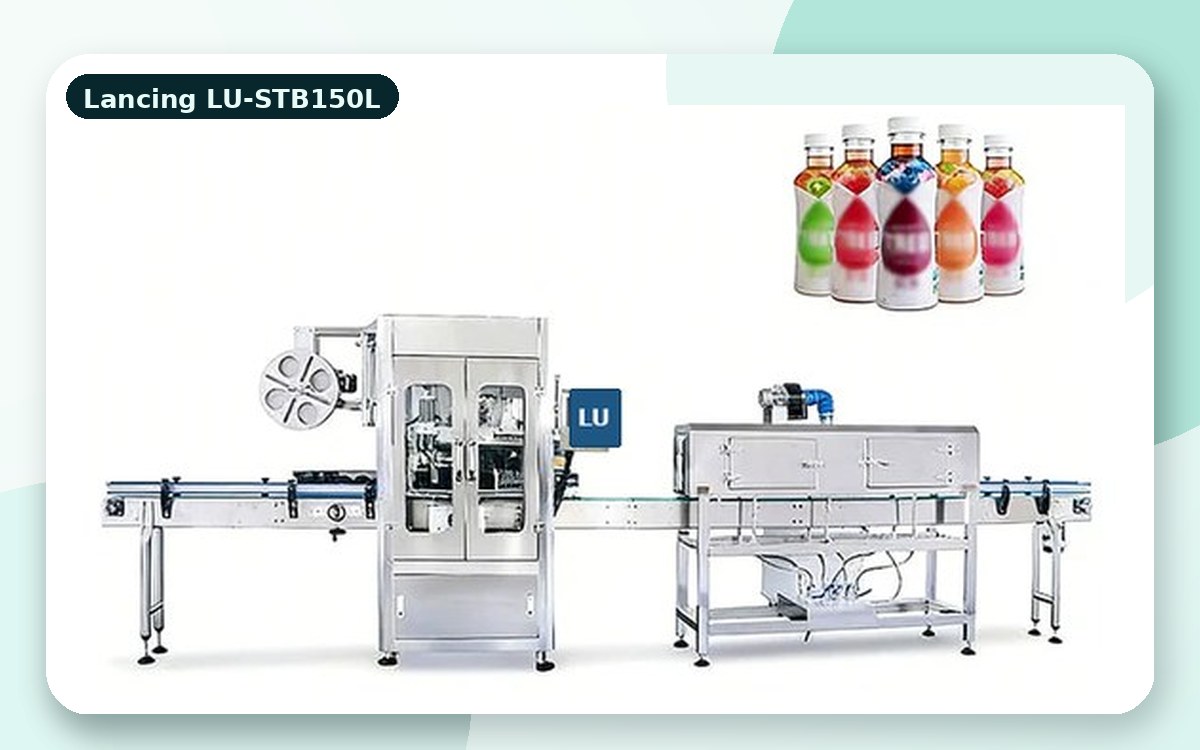
Direct comparison
What is the difference between a shrink sleeve and a stretch sleeve?
A shrink sleeve is applied loosely and then contracted around the container by a controlled heat process. A stretch sleeve is mechanically expanded, placed over the container and released so its own elasticity grips the pack. The choice is therefore governed by container shape, required coverage, heat tolerance, line footprint, film behaviour and the evidence expected from a production trial.
Neither method is automatically better. A stretch sleeve can remove the need for a shrink tunnel when a straight-sided pack can retain the elastic sleeve securely. A shrink sleeve is usually the more relevant route where the decoration must follow shoulders, tapers or waists, where the sleeve extends over a closure, or where the finished shape depends on controlled shrink rather than elastic recovery.
Information needed before comparing the two routes
- Container material, filled condition, straight-sided length, taper, shoulders and recessed areas
- Required coverage, artwork position, seam position and whether the closure must be covered
- Heat sensitivity of the product, container, cap, liner and existing decoration
- Available line length, electrical or steam utilities and downstream cooling or drying
- Target good output, format range, changeover pattern and inspection requirement
- Actual film samples and the converter's current technical data for the proposed sleeve
Decision table
Compare the application method before comparing machine speeds.
Machine output only becomes meaningful after the pack is compatible with the chosen method. The table separates the practical decisions that should be confirmed by samples.
DecisionShrink sleeve routeStretch sleeve route
How the sleeve fitsA tunnel contracts the applied sleeve onto the pack.Elastic recovery grips the pack without a shrink tunnel.
Container profileCan be assessed for shoulders, tapers, waists and shaped sections because the film is drawn onto the profile.Needs enough suitable body area for the elastic sleeve to grip without sliding or bridging.
CoverageCan be designed for a body panel, full-body decoration or a short closure band.Usually considered for body coverage where elastic retention is practical.
Utilities and footprintIncludes the applicator plus the selected heat or steam process and associated controls.Removes the shrink-tunnel stage but still requires controlled film handling and pack presentation.
Approval evidenceCheck unshrunk placement, tunnel recipe and cooled finished-pack quality.Check application force, retained position, rotation, slip and pack recovery over the intended line conditions.
Run a controlled comparison trial
- Use containers from the dimensional and material extremes of the proposed range.
- Record the exact sleeve construction, reel or supply format and application orientation.
- Measure position immediately after application and again after normal handling and storage.
- For shrink sleeves, retain the tunnel recipe and inspect the pack after cooling.
- For stretch sleeves, check axial movement, rotation, bridging and recovery after line stops.
- Compare sustained good output, changeover work and rejects rather than a headline cycle rate.
Practical limits
When is each sleeve route more suitable?
When is a shrink sleeve usually the stronger candidate?
A shrink sleeve is normally the stronger candidate when the label has to follow pronounced container features, cover the shoulder, continue over the closure, carry carefully distorted artwork or combine decoration with a tamper-evident band. The pack and film still need a tunnel trial because heat exposure, shrink force, artwork and container stability are application-specific.
When should a stretch sleeve be investigated?
A stretch sleeve is worth investigating when the container provides a stable gripping surface, the required decoration remains on the body, heat must be avoided or the available line cannot accommodate a tunnel. The decision should be based on the actual elastic sleeve and pack, because a label that looks acceptable at rest can move, rotate or bridge during conveying and handling.
Buyer questions
Questions buyers ask about shrink and stretch sleeves
Does a stretch sleeve need a shrink tunnel?
No. A stretch sleeve relies on elastic recovery after mechanical application, whereas a shrink sleeve needs a controlled heat process to conform to the pack. Removing the tunnel can reduce line length and utilities, but it does not prove that a stretch sleeve will retain its position on the intended container.
Can a stretch sleeve cover a bottle shoulder?
It depends on the pack and sleeve, but pronounced shoulders, waists and recessed areas can be difficult because an elastic sleeve tends to span between contact points. A physical trial should confirm whether the sleeve follows the intended area or bridges, slips or distorts.
Which route is more relevant for tamper-evident closure bands?
A heat-shrink band is the relevant sleeve route when the film must extend over the cap, lid or closure and show opening through a tear or perforated feature. The complete pack design still determines whether an additional seal or barrier is required.
Can one machine change between stretch and shrink sleeves?
They are different application processes, so a standard machine should not be assumed to convert between them. The production brief should treat them as separate equipment routes unless a supplier provides verified configuration data for the exact system.
Related technical guidance
Continue the sleeve application decision.
Use the connected guides to confirm the pack, machine, film and process before requesting a final configuration.
Can heat-sensitive packs use shrink sleeves?
Open guide →How to choose a sleeve applicator
Open guide →Project support
Send the real pack, sleeve and line details for a practical review.
Include representative containers, sleeve information, required finished position, target good output, available utilities and the existing line layout.