Sleeve applicator quote checklist
Gather the pack, sleeve, output and layout data needed for a machine quote.
Open page →Buying guide
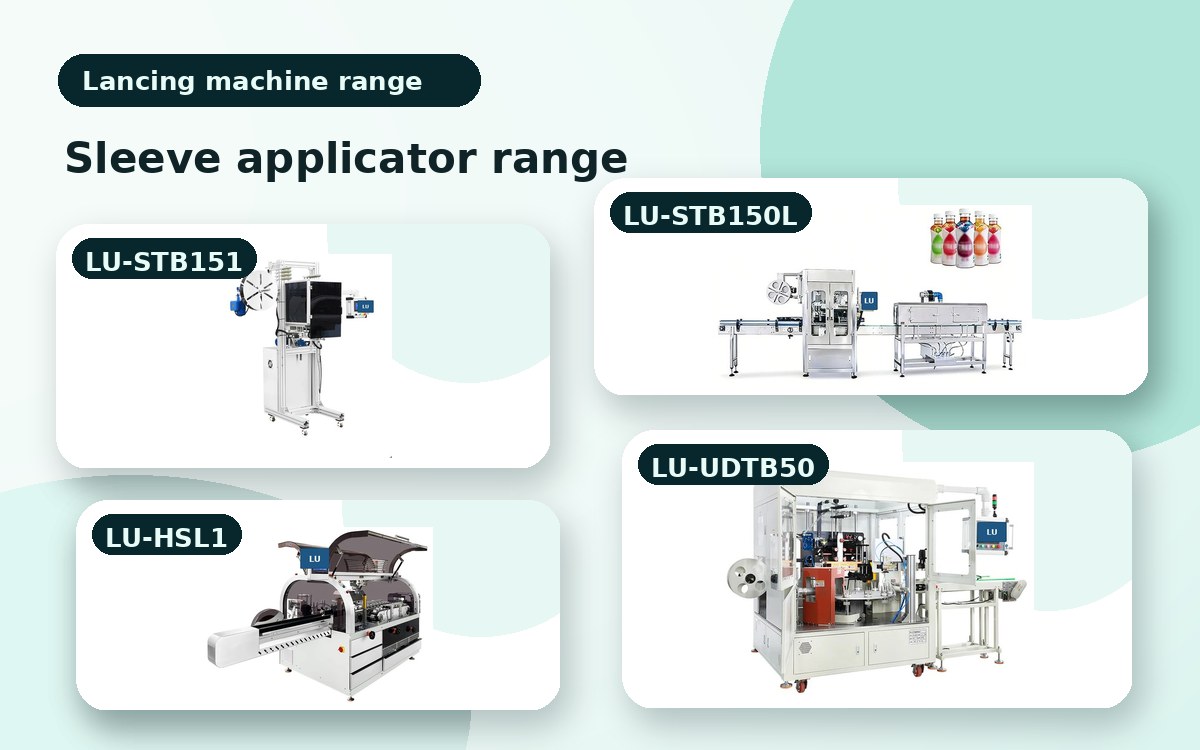
Choosing a sleeve applicator is easier when the project is broken into pack format, sleeve format, tunnel requirement, speed and line layout. This guide gives UK buyers a practical checklist before requesting a quote.
Start with the pack
The container determines guides, mandrels, conveyor handling and tunnel behaviour. A stable round bottle is different from a lightweight tapered bottle, square container, jar lid or small vial.
Then define the sleeve
Neck bands, cap seals, partial sleeves and full-body labels use different cut lengths and placement tolerances. The sleeve material also changes tunnel requirements.
Avoid poor fit
Small pack or sleeve differences can change the correct applicator, mandrel, conveyor and tunnel arrangement. These checks help prevent a machine being chosen on headline speed alone.
Quote details
For a useful recommendation, send the container dimensions, filled weight, sleeve material, lay-flat, cut length, target output, photos or drawings, and where the sleeve needs to sit on the pack. If the project is going into an existing line, include available conveyor height, line direction, utilities and footprint.
Related pages
These pages keep the search route connected to the right machine type, application and quote checklist.
Gather the pack, sleeve, output and layout data needed for a machine quote.
Open page →Review wrinkles, twist, tunnel issues and product handling problems.
Open page →Send application details for a practical sleeve applicator shortlist.
Open page →FAQ
Send photos or drawings of the container, sleeve dimensions, target output and where the sleeve should sit on the pack.
No. Speed matters, but pack stability, sleeve quality, tunnel performance and changeover can be more important to the final line.
Yes, but final confirmation is stronger when sample containers and sleeves can be reviewed or tested.
Project support
Lancing can review the packaging format, sleeve material, shrink tunnel requirement and line layout before recommending the most suitable sleeve applicator configuration.
Selection framework
Start by defining the result: a short tamper band, partial sleeve, full-body decorative label or small-product sleeve. Then identify the container and sleeve features that make the job difficult. This produces a shortlist based on engineering risk rather than on similar machine names.
The final decision should show which samples were tested, which published values were relied on, which items remain custom and how the complete applicator and tunnel will be accepted.
Rank formats by the risk they present: smallest lay-flat, shortest cut, highest shrink demand, lightest container, largest shoulder, tightest barcode area or most demanding perforation. Trial those formats rather than choosing only the easiest pack.
Where a machine needs different formers, mandrels or guides, include the change-part list and expected operator work in the comparison.
An applicator can place sleeves accurately while the tunnel limits quality or output. A tunnel can produce a good finish at low speed while product pitch or sleeve feeding limits the production rate. Compare the joined process and its interfaces.
When the requirement is a self-adhesive label or a PE multipack sleeve, move to the dedicated Lancing domain rather than selecting the wrong technology under a similar name.
Use the related pages to keep dimensions, samples, tunnel settings and acceptance evidence in one route rather than treating each decision in isolation.
Sleeve applicator quote checklist → Sample-testing guide → Send the project details →Buyer questions
Use enough formats to represent the difficult ends and the normal production mix. The format-risk assessment should explain why each trial sample was selected.
Not automatically. The acceptance set should include formats that challenge sleeve feed, product handling, shrink and quality as well as rate.
It is the count of packs meeting the agreed finished criteria over the stated run, after defined rejects and interruptions are recorded.
They affect cost, storage, changeover time and operator work. List every former, mandrel, guide and recipe needed for the approved range.