Tamper-evidence comparison
Tamper Band vs Induction Seal
Understand how an external shrink band differs from an induction-sealed liner, what each process controls and what pack evidence is needed before equipment selection.
UK machinery advicesample testingline integrationbuyer guidance
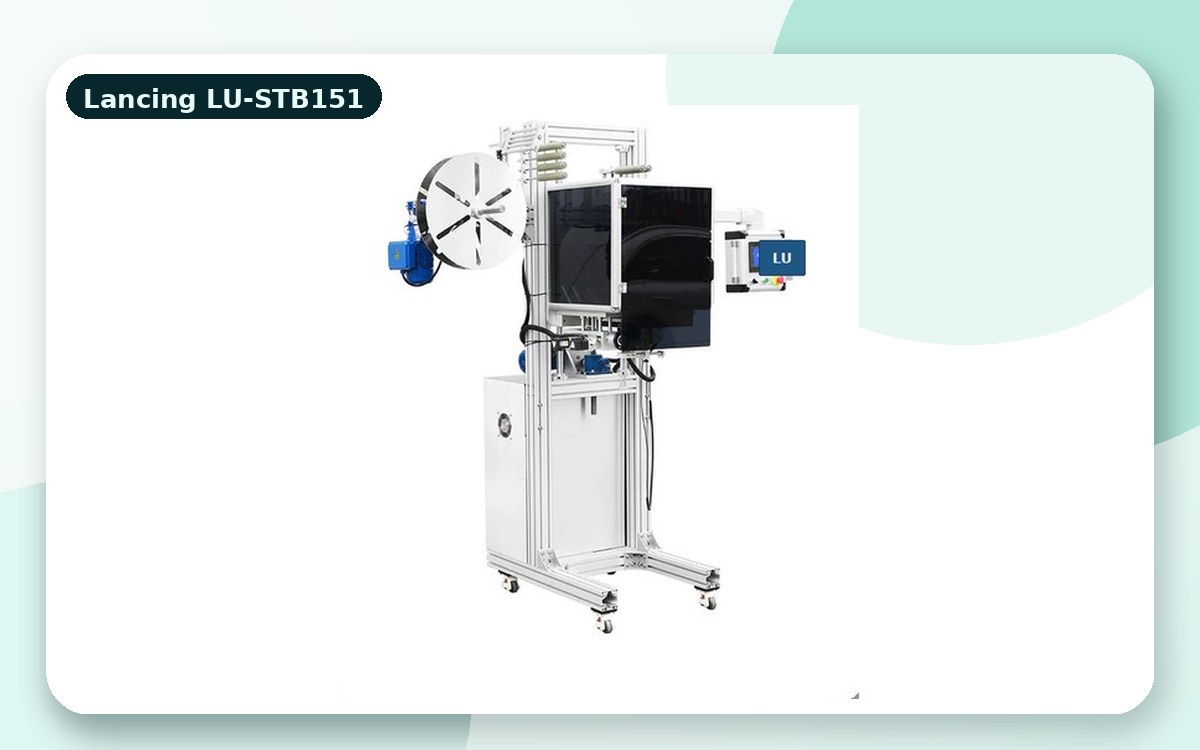
Direct comparison
What is the difference between a tamper band and an induction seal?
A tamper-evident shrink band is applied around the outside of a cap, lid or closure and then shrunk into position. An induction seal is a compatible liner sealed to the container's sealing land beneath the closure by an induction process. The band provides visible external opening evidence; the liner acts at the container mouth. They solve different packaging tasks and may be specified separately or together.
The correct choice depends on the product, container, neck finish, closure, liner system, required barrier or leakage performance, opening experience and inspection method. A sleeve applicator and shrink tunnel cannot create an induction seal, and an induction sealer does not apply the external neck band.
Pack details needed for a tamper-evidence review
- Container material, neck finish and sealing-land condition
- Closure type, liner construction and cap application method
- Product characteristics and any compatibility requirements identified by the packaging supplier
- Required visible opening evidence and whether the closure must remain decorated
- Leakage, barrier, freshness or contamination-control requirement
- Line sequence, available footprint, tunnel or induction utilities and inspection points
Process boundary
Compare the external band with the seal beneath the cap.
Using the right terms prevents a quotation from combining different functions under the single phrase “tamper seal”.
DecisionShrink tamper bandInduction seal
PositionOutside the closure and container neck.At the container mouth beneath a compatible closure.
Application processA cut band is placed and passed through a suitable heat or steam process.A compatible liner is energised by an induction field after the closure is applied.
Visible evidenceThe consumer can normally see whether the external band has been torn or removed.Evidence is assessed when the closure is removed and the liner is inspected.
Critical pack variablesBand lay-flat, cut length, perforation, placement and shrink behaviour.Container land, closure, liner, cap application and induction process window.
InspectionBand presence, height, twist, shrink and tear feature.Liner presence and seal quality using a method appropriate to the pack and process.
Trial the complete closure system
- Confirm the exact container, closure and liner references.
- Apply the closure using the intended capping process and settings.
- Run the proposed induction or band process under representative production conditions.
- Allow the pack to reach the specified inspection condition before assessment.
- Check visible opening evidence, leakage or barrier criteria only using agreed methods.
- Repeat the trial across start-up, normal running, stop/restart and format-change conditions.
Selection logic
When should a pack use a band, an induction seal or both?
Choose an external band when
The primary requirement is a visible feature around the closure, the pack design is suitable for heat shrinking and the band can be positioned and opened consistently. The band may also carry decoration or instructions, but its function must be confirmed on the real closure and perforation.
Investigate an induction seal when
The requirement concerns the container opening, and the container, closure and liner supplier can provide a compatible induction-seal system. Final performance depends on the complete pack and process rather than the induction unit alone.
Use both only when the requirements are separate and justified
Some packs may need visible external opening evidence as well as an under-cap seal. That arrangement should be specified as two controlled processes with separate acceptance checks, not as duplicated decoration or an assumed universal requirement.
Buyer questions
Questions buyers ask about tamper bands and induction seals
Is a shrink band the same as an induction seal?
No. A shrink band sits outside the closure and is heated to fit; an induction seal is a liner bonded at the container mouth under a compatible cap. The machines, pack components and inspection methods are different.
Can a bottle use both a tamper band and an induction seal?
Yes, when the packaging specification genuinely needs both functions and the complete pack is validated. The line sequence, heat exposure, capping process, induction window, band shrink and inspections should be assessed together.
Which option prevents leaks?
Leakage performance cannot be assigned from the machine category alone. It depends on the product, container, closure, liner, sealing surface, cap application and validated process. A shrink band should not be described as an under-cap barrier unless the pack design provides one separately.
Should either option be described as tamper-proof?
“Tamper-evident” is the more accurate term when the package is designed to show visible evidence of opening or interference. The exact claim and acceptance criteria should be reviewed against the product, market and packaging responsibility.
Related technical guidance
Continue the sleeve application decision.
Use the connected guides to confirm the pack, machine, film and process before requesting a final configuration.
Tamper-evident versus tamper-proof packaging
Open guide →Sleeve applicator sample testing
Open guide →Project support
Send the real pack, sleeve and line details for a practical review.
Include representative containers, sleeve information, required finished position, target good output, available utilities and the existing line layout.