Shaped packaging
Sleeves can suit containers where standard labels struggle to cover curves or sculpted surfaces.
Cosmetics sleeve applicators
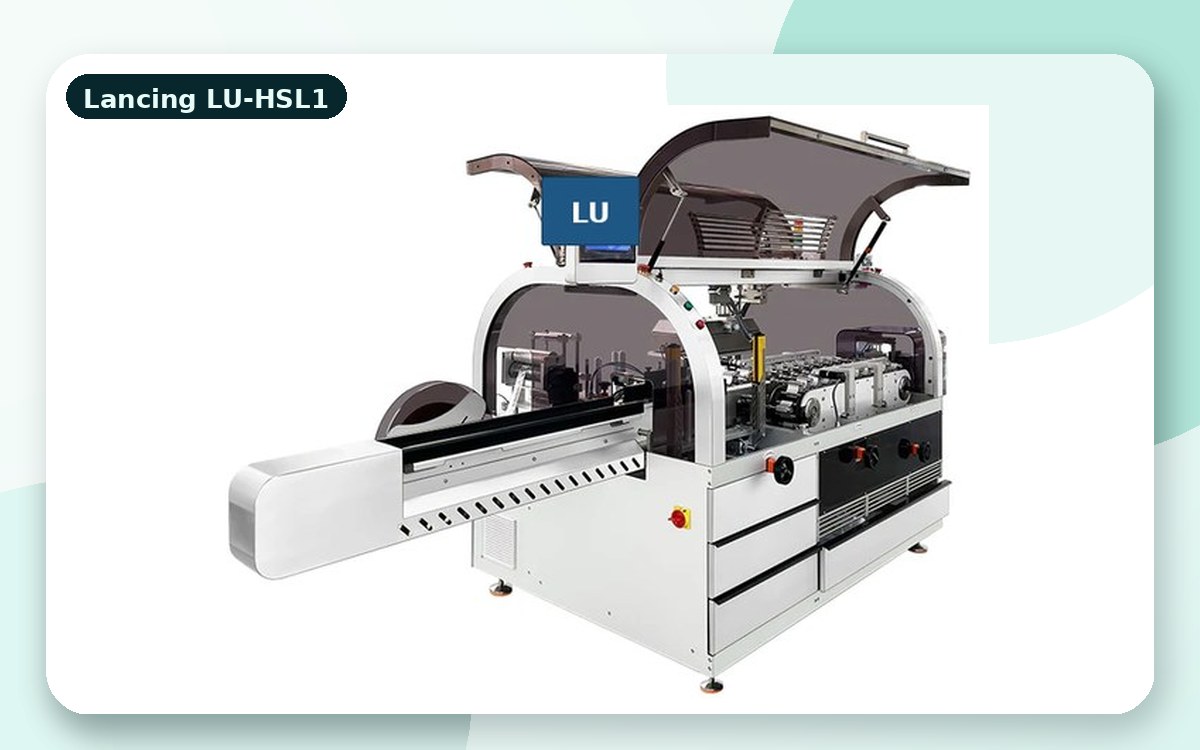
Plan sleeve applicator machinery for cosmetic bottles, toiletries, jars, tubs, pumps, triggers and premium presentation-led packaging.
Personal care
Cosmetic and personal care sleeving often has a high presentation requirement. Sleeve position, seam visibility, artwork alignment and shrink finish can be just as important as production output.
Common projects include shampoo bottles, lotion bottles, jars, tubs, trigger packs, pump closures, small bottles and premium promotional packaging. Pumps and triggers may need additional clearance and line planning around the closure shape.
Sleeves can suit containers where standard labels struggle to cover curves or sculpted surfaces.
Pumps, triggers, caps and spray heads should be checked for sleeve placement and conveyor handling.
Cosmetic ranges often include many SKUs, so tooling and adjustment planning matter early.
FAQ
They can provide wide visual coverage on shaped packs, support premium presentation and create decorative or tamper-evident features.
Yes. Closure height, orientation and clearance can affect sleeve placement, guides and conveyor handling.
Project support
A useful sleeve applicator shortlist starts with the real pack: container shape, sleeve lay-flat, cut length, required position, tunnel type, production speed and line layout.
Appearance with control
Personal-care packs often combine shaped bodies, pumps, triggers, closures and high-value decoration. Sleeve selection should therefore consider how the pack is supported, which face must be presented, where the seam can sit and how the tunnel affects gloss, colour, distortion and any variable code.
Approve the appearance under agreed lighting after cooling and normal handling. Keep retained samples with the artwork, sleeve, container and tunnel references so later changes can be compared with the original result.
Use the artwork distortion guide and the coding guide when critical presentation and traceability share the same sleeve.
Buyer questions
Often, but the assembled closure, shoulder shape, orientation and stability must be tested. The sleeve and tunnel must not interfere with moving parts or distort the pack, and the production line may need controlled orientation.
Agree the visual criteria, viewing conditions and critical panels before the trial. Inspect cooled finished packs for wrinkles, seam location, artwork distortion, scuffing and colour presentation, then retain signed samples for future change control.