Compare sleeve applicator machines
Review automatic, rotary, horizontal and tunnel-based sleeve applicator routes.
Open page →Cap seal comparison
Cap seal applicators and sleeve applicators overlap when the job is a short tamper-evident band over a closure. The terminology can be confusing, so the best approach is to define the sleeve length, position and shrink requirement.
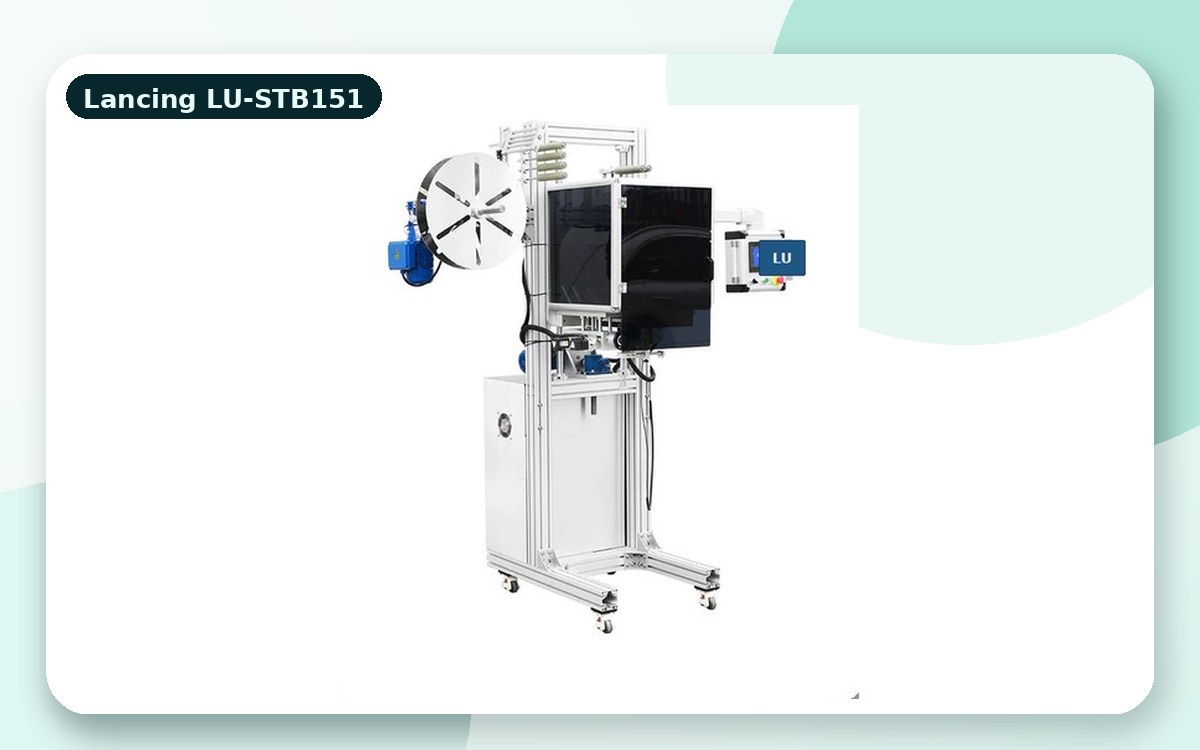
Closure seals
If the job is limited to a short band around a cap, a compact cap seal or neck band applicator may be the simplest route. The tunnel only needs to shrink a short zone cleanly.
Broader sleeving
If the same project may later require body sleeves, promotional sleeves or different container sizes, a broader sleeve applicator specification may provide more flexibility.
Avoid poor fit
Small pack or sleeve differences can change the correct applicator, mandrel, conveyor and tunnel arrangement. These checks help prevent a machine being chosen on headline speed alone.
Quote details
For a useful recommendation, send the container dimensions, filled weight, sleeve material, lay-flat, cut length, target output, photos or drawings, and where the sleeve needs to sit on the pack. If the project is going into an existing line, include available conveyor height, line direction, utilities and footprint.
Related pages
These pages keep the search route connected to the right machine type, application and quote checklist.
Review automatic, rotary, horizontal and tunnel-based sleeve applicator routes.
Open page →Check the practical buying factors before choosing a machine, tunnel or complete line.
Open page →Send pack, sleeve, output and layout details to Lancing for a practical recommendation.
Open page →FAQ
Send the pack details and describe where the sleeve sits. Lancing can translate cap seal, neck band or sleeve wording into the correct machine route.
Sometimes, but sleeve range and tunnel settings need confirming before purchase.
Most tamper-evident bands need suitable perforation so the consumer can remove the band cleanly.
Project support
Lancing can review the packaging format, sleeve material, shrink tunnel requirement and line layout before recommending the most suitable sleeve applicator configuration.