Compare sleeve applicator machines
Review automatic, rotary, horizontal and tunnel-based sleeve applicator routes.
Open page →Machine handling
A straight-through mandrel applicator and a rotary sleeve labeler can both apply shrink sleeves, but they handle the pack differently. The right route depends on container stability, required placement tolerance, output and changeover range.
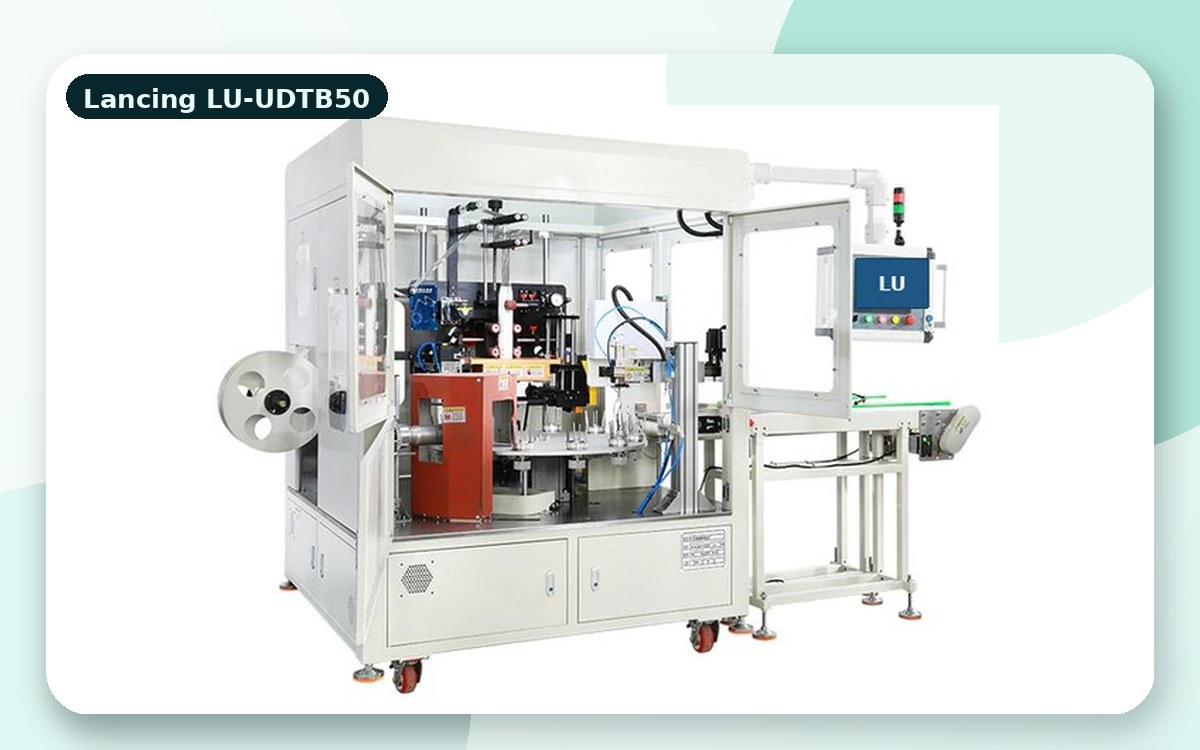
Inline systems
Mandrel applicators are common for bottles and containers moving in line. The sleeve is opened over a mandrel, cut and dropped or applied onto the product as it passes through the machine.
Controlled handling
Rotary sleeve labelers can help where packs are small, unstable or need more controlled handling during placement. They can be useful for cosmetics, small bottles and slim containers.
Avoid poor fit
Small pack or sleeve differences can change the correct applicator, mandrel, conveyor and tunnel arrangement. These checks help prevent a machine being chosen on headline speed alone.
Quote details
For a useful recommendation, send the container dimensions, filled weight, sleeve material, lay-flat, cut length, target output, photos or drawings, and where the sleeve needs to sit on the pack. If the project is going into an existing line, include available conveyor height, line direction, utilities and footprint.
Related pages
These pages keep the search route connected to the right machine type, application and quote checklist.
Review automatic, rotary, horizontal and tunnel-based sleeve applicator routes.
Open page →Check the practical buying factors before choosing a machine, tunnel or complete line.
Open page →Send pack, sleeve, output and layout details to Lancing for a practical recommendation.
Open page →FAQ
Not always. Speed depends on pack format, sleeve feed, station count, tunnel and downstream handling.
Often yes, but the container needs stable transport and the sleeve must drop consistently into position.
That depends on the pack range. Change parts, mandrels, guides and recipes should be compared during specification.
Project support
Lancing can review the packaging format, sleeve material, shrink tunnel requirement and line layout before recommending the most suitable sleeve applicator configuration.