Compare sleeve applicator machines
Review automatic, rotary, horizontal and tunnel-based sleeve applicator routes.
Open page →Packaging comparison
Shrink sleeves and self-adhesive labels are both used on bottles and containers, but they do not solve the same packaging problem. Sleeves give high coverage and can add tamper evidence, while pressure-sensitive labels can be simpler for flat or cylindrical label panels.
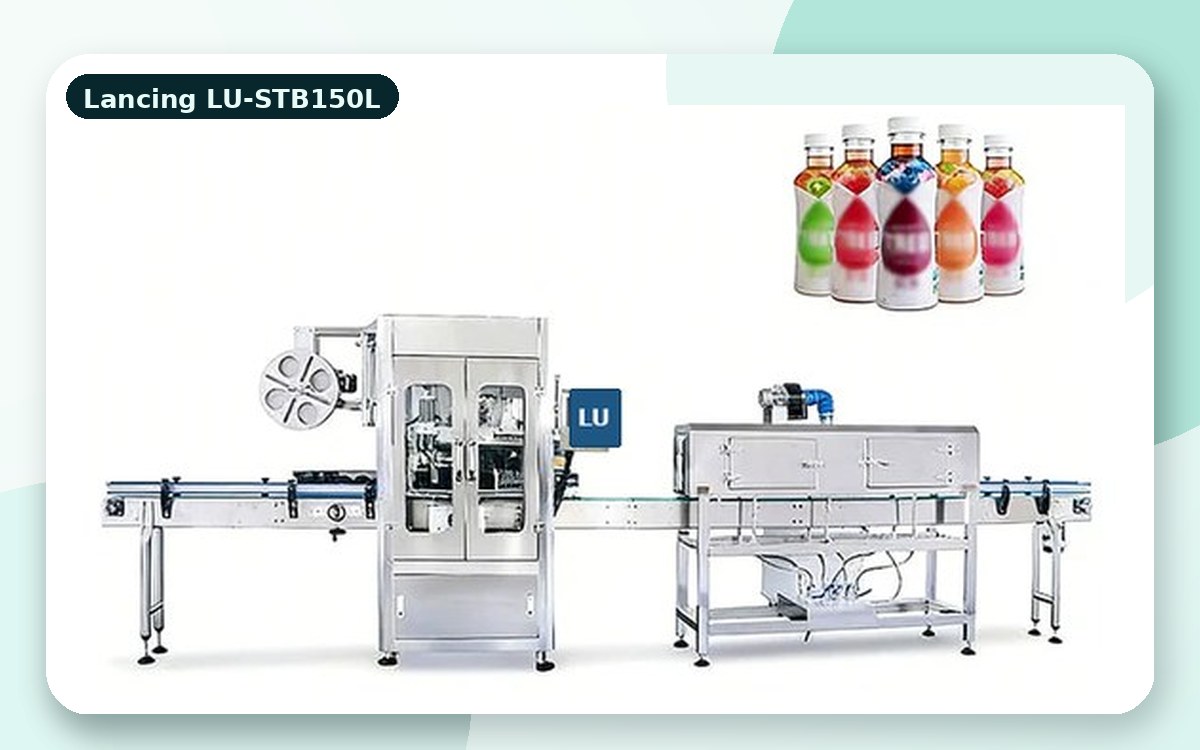
Pack presentation
Shrink sleeves can cover a high percentage of the pack surface, including curved shoulders and unusual container shapes. They are useful when the container does not have a clean label panel or when the design needs 360-degree coverage.
Line simplicity
Self-adhesive labelling is often simpler where the pack has a stable label panel and does not need full-body coverage. It can avoid the sleeve material and tunnel stage but may not provide the same design coverage.
Avoid poor fit
Small pack or sleeve differences can change the correct applicator, mandrel, conveyor and tunnel arrangement. These checks help prevent a machine being chosen on headline speed alone.
Quote details
For a useful recommendation, send the container dimensions, filled weight, sleeve material, lay-flat, cut length, target output, photos or drawings, and where the sleeve needs to sit on the pack. If the project is going into an existing line, include available conveyor height, line direction, utilities and footprint.
Related pages
These pages keep the search route connected to the right machine type, application and quote checklist.
Review automatic, rotary, horizontal and tunnel-based sleeve applicator routes.
Open page →Check the practical buying factors before choosing a machine, tunnel or complete line.
Open page →Send pack, sleeve, output and layout details to Lancing for a practical recommendation.
Open page →FAQ
Material and machinery costs can be higher, but shrink sleeves may replace multiple labels or add tamper evidence in the same process.
Yes. Artwork should be prepared with distortion and shrink areas in mind, especially around shoulders and tapers.
It can for the right pack, but the sleeve, tunnel and product handling must all be specified correctly.
Project support
Lancing can review the packaging format, sleeve material, shrink tunnel requirement and line layout before recommending the most suitable sleeve applicator configuration.