FAQ
Sleeve Applicator FAQs
Answers to common questions about sleeve applicators, shrink sleeve labelling, tamper-evident bands, tunnel selection and quote preparation.
Questions and answers
Common sleeve applicator questions
What is a sleeve applicator?
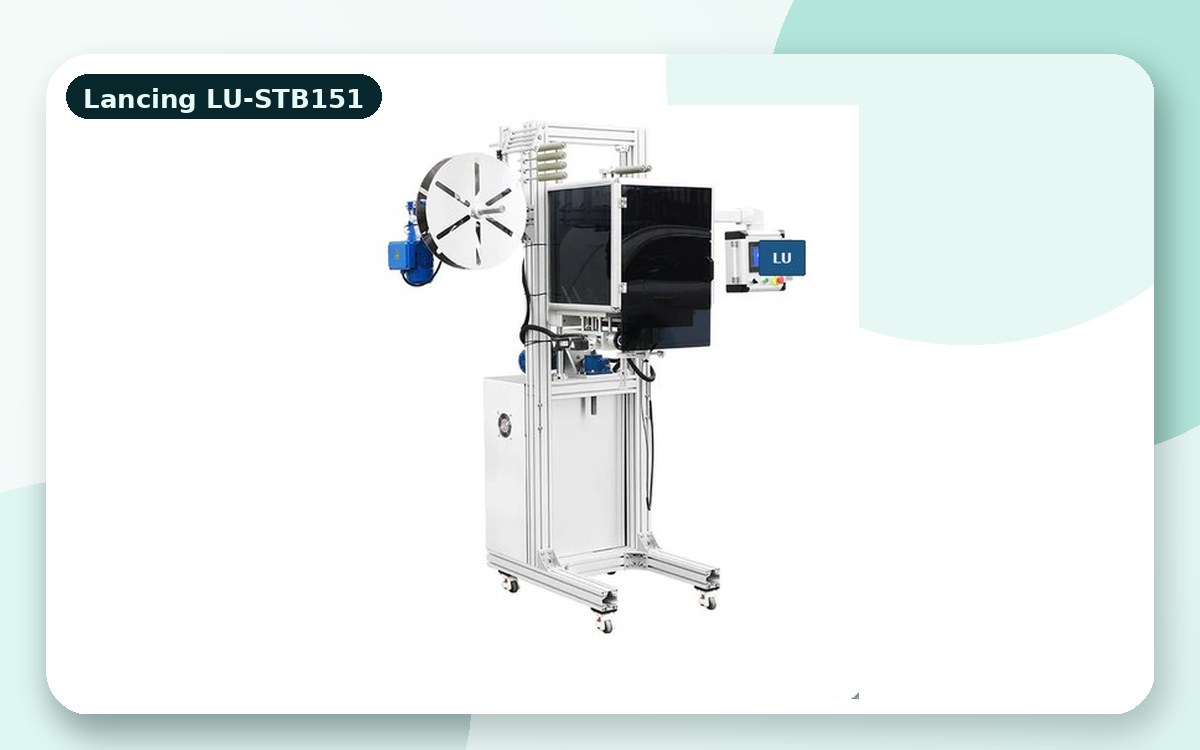
A sleeve applicator cuts and places shrink sleeve material over a container, closure or pack before a shrink tunnel conforms the sleeve to the shape.
What is the difference between a sleeve applicator and a shrink tunnel?
The applicator places the sleeve. The shrink tunnel applies heat or steam so the sleeve shrinks around the container.
Can one machine apply both neck bands and full body sleeves?
Some applicators can handle both formats within limits, but tooling, sleeve height, output and container handling must be checked.
Which containers can be sleeved?
Common packs include bottles, jars, tubs, pots, vials, tubes, cylindrical containers and some shaped containers.
Can shrink sleeves work on square bottles?
Yes, but square and rectangular bottles need careful testing around corners and shoulders to avoid distortion or bridging.
What is sleeve layflat?
Layflat is the width of the flattened sleeve material before it is opened and applied to the container.
What is sleeve cut length?
Cut length is the height of each sleeve piece after the applicator cuts it from the reel.
What is a tamper evident neck band?
A tamper evident neck band is a short shrink sleeve placed over a cap or closure to show visible evidence of opening.
Do printed sleeves need registration marks?
Many printed full-body sleeves use eye marks or registration marks so the applicator cuts consistently in the correct position.
Is steam better than hot air for shrink sleeves?
Steam often gives even shrink on complex shapes, while hot-air and electric tunnels may suit other applications. Testing decides the best route.
Can sleeves cover the full container?
Full-body sleeves can provide high-coverage decoration, but artwork distortion, seam position and shrink zones must be planned.
How fast can a sleeve applicator run?
Speed depends on container size, sleeve height, machine route, tunnel dwell time and line integration. Sustained output is more important than peak speed.
What details are needed for a quote?
Useful details include container dimensions, sleeve format, material, layflat, cut length, target output, line layout and utilities.
Can sleeve applicators be integrated with filling and capping lines?
Yes. Integration normally reviews conveyor height, speed matching, spacing, accumulation, reject systems and available footprint.
What causes sleeve wrinkles?
Wrinkles can come from poor initial placement, tunnel imbalance, unsuitable material, insufficient dwell time or challenging container geometry.
Why does a sleeve twist before shrinking?
Twisting can be caused by loose sleeves, bottle rotation, guide contact, unstable transfers or insufficient control before the tunnel.
Can clear sleeves be detected?
Clear sleeves may need suitable sensors, setup and testing because transparent film can be harder to detect reliably.
What is a shrink sleeve seam?
The seam is where the sleeve film is joined into a tube. Seam position should avoid important graphics and barcodes where possible.
Do I need printed or plain tamper bands?
Plain bands are used for visible tamper evidence; printed bands can add branding, opening instructions or security messaging.
Can Lancing test samples?
Lancing can review samples and advise on likely machine routes, tunnel choices and project details needed for quotation.
Project support
Need a machine route for your pack?
Send pack details to Lancing and ask for sleeve applicator advice.
Evidence behind the answer
Use the FAQs to prepare questions, then confirm the answer with samples and controlled data.
General answers cannot establish whether a particular reel will open, a container will remain stable or a barcode will read after shrink. Attach the relevant pack and sleeve data whenever the answer affects machine selection or acceptance.
For an existing line problem, include unshrunk and finished samples from the same run so application faults can be separated from tunnel faults.
Information to control in the project brief
- Exact container and closure being discussed
- Sleeve specification and artwork revision
- Machine model or proposed route
- Line speed and tunnel recipe at the time of the observation
- Photographs, video and measured good/faulty samples
- The decision or acceptance criterion the answer must support