Shrink tunnels
Shrink Tunnels for Sleeve Applicators
Plan the shrink tunnel around sleeve material, container shape, utilities, shrink quality, output and integration with the sleeve applicator.
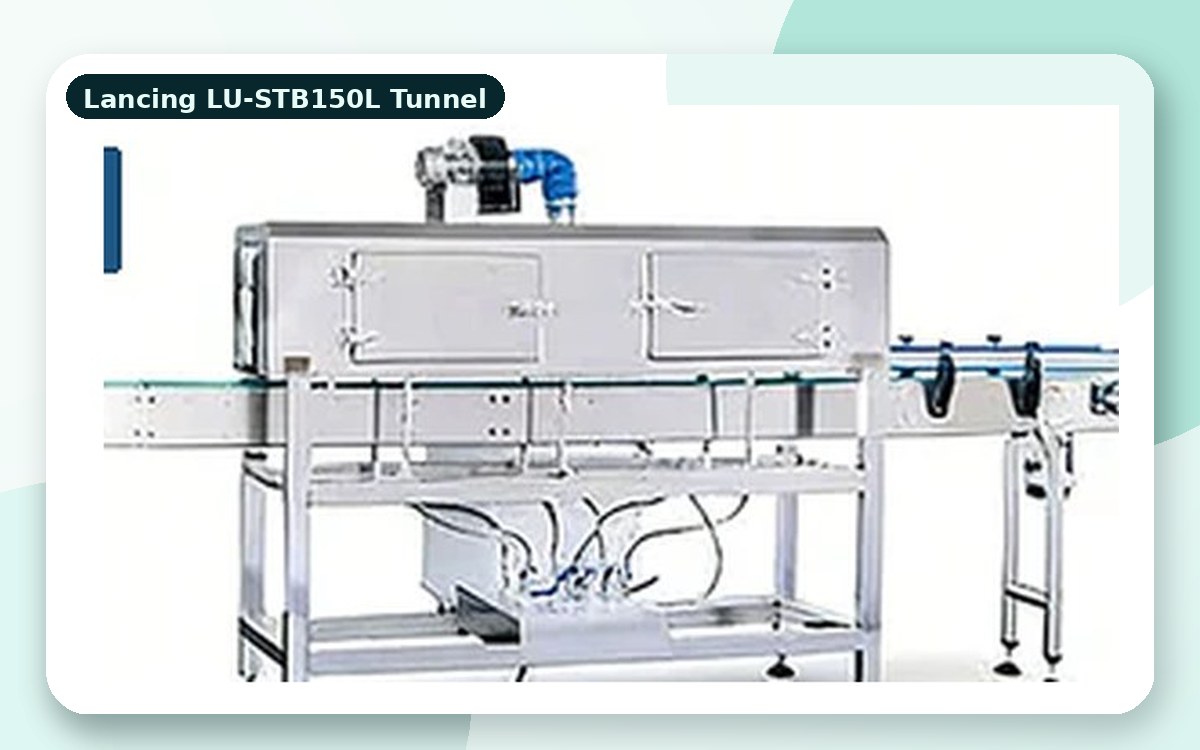
Shrink control
Shrink tunnels matched to sleeve material, container shape and utilities.
The tunnel is where the sleeve becomes the finished pack. Steam, hot-air and electric tunnels each have practical advantages depending on sleeve material, shrink percentage, container shape, moisture tolerance, energy availability and line speed.
A good tunnel specification considers temperature control, airflow or steam distribution, conveyor speed, drainage or drying, guarding, operator access and how quickly the line changes between formats.
Tunnel routes
- Steam shrink tunnels
- Electric shrink tunnels
- Hot-air shrink tunnels
- Moisture removal and drying
- Integrated conveyors
Compare
Practical tunnel selection points.
FAQ
Sleeve applicator questions
Do I need steam or hot air for shrink sleeves?
It depends on the sleeve material, container shape, shrink result, available utilities and production environment. Sample testing is the safest route.
Can a shrink tunnel be added to an existing line?
Yes, but conveyor height, footprint, utilities, guarding and downstream drying or packing should be checked first.
What affects shrink sleeve quality?
Sleeve material, shrink percentage, temperature profile, dwell time, airflow or steam distribution, container geometry and conveyor speed all matter.
Project support
Send the container, sleeve and output details before you choose a machine.
A useful sleeve applicator shortlist starts with the real pack: container shape, sleeve lay-flat, cut length, required position, tunnel type, production speed and line layout.