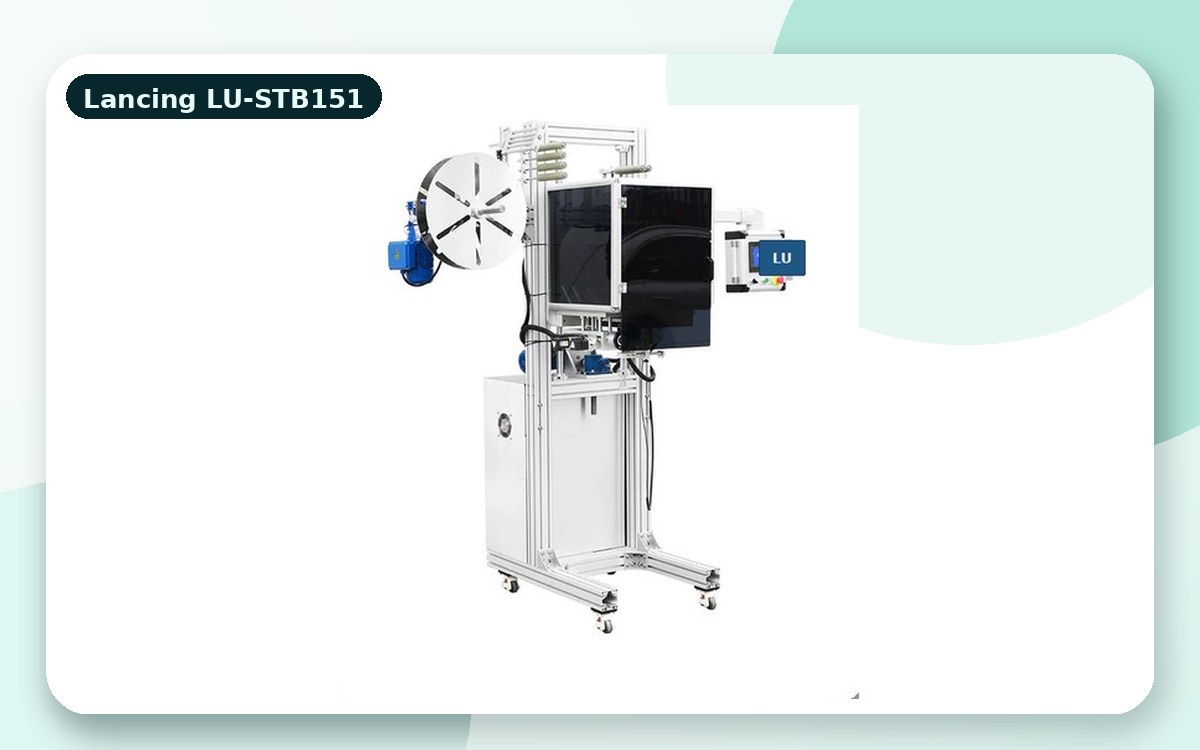
Tamper-evident neck band applicators
Sleeve application over caps, lids and closures for food, cosmetics, chemicals and pharmaceutical-style packs where a visible security band is required.
Learn more →Machine range
Compare automatic sleeve applicators, tamper-evident band applicators, full-body sleeve applicators, rotary sleeve labelers, horizontal sleeve systems and shrink tunnels.
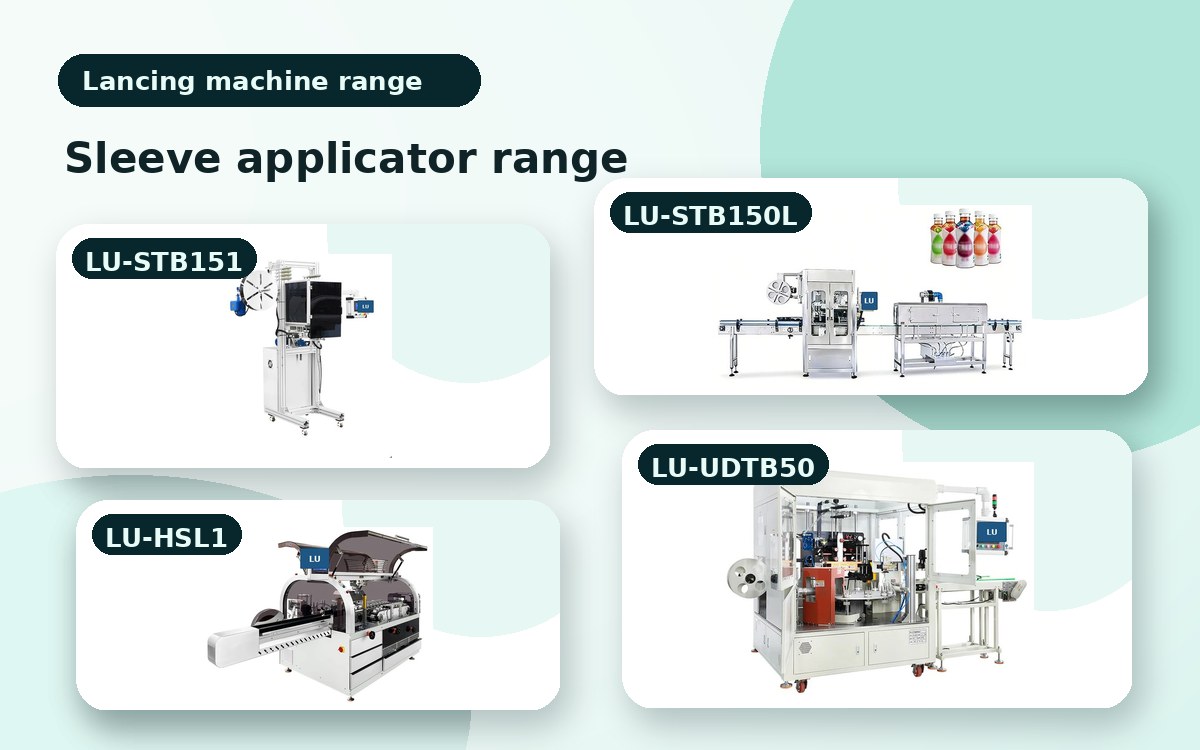
Shortlist by sleeve format
Use this page to shortlist the likely machine family. Final selection should be confirmed against the actual container, sleeve artwork, lay-flat, cut length, shrink percentage and production layout.
Sleeve application over caps, lids and closures for food, cosmetics, chemicals and pharmaceutical-style packs where a visible security band is required.
Learn more →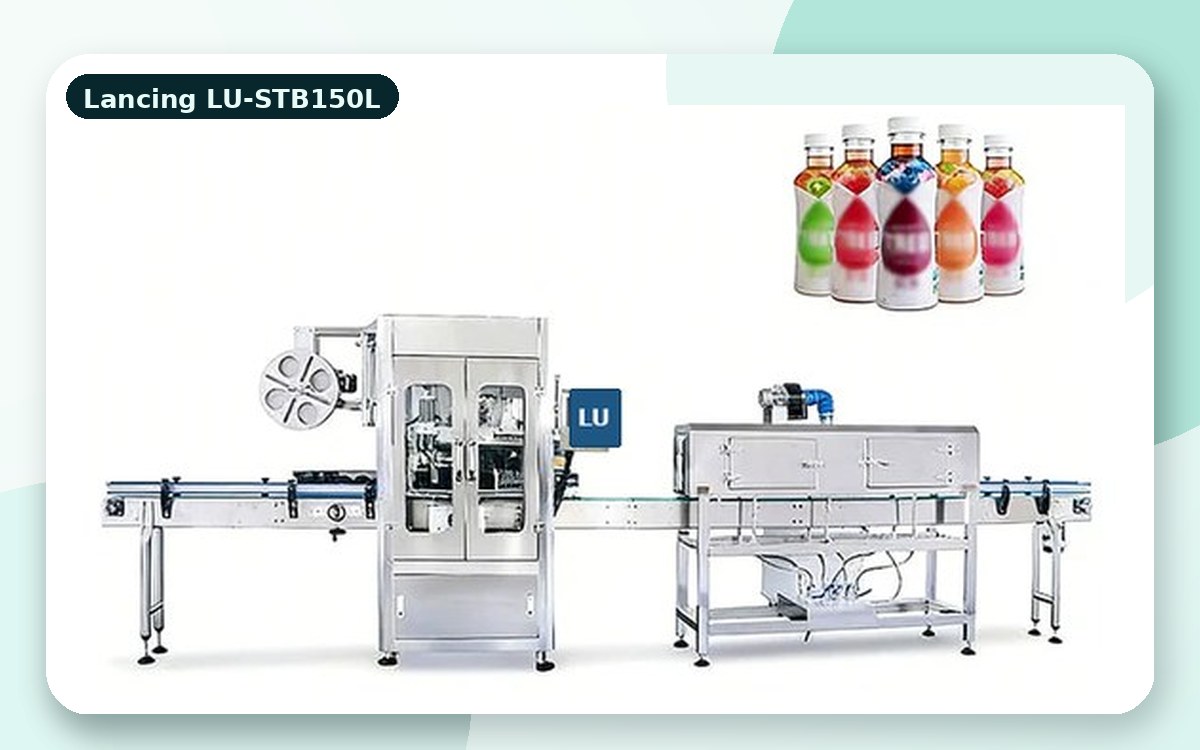
Machinery for applying decorative sleeves over most or all of the container body, often used where brand coverage, shaped packs or high shelf impact are important.
Learn more →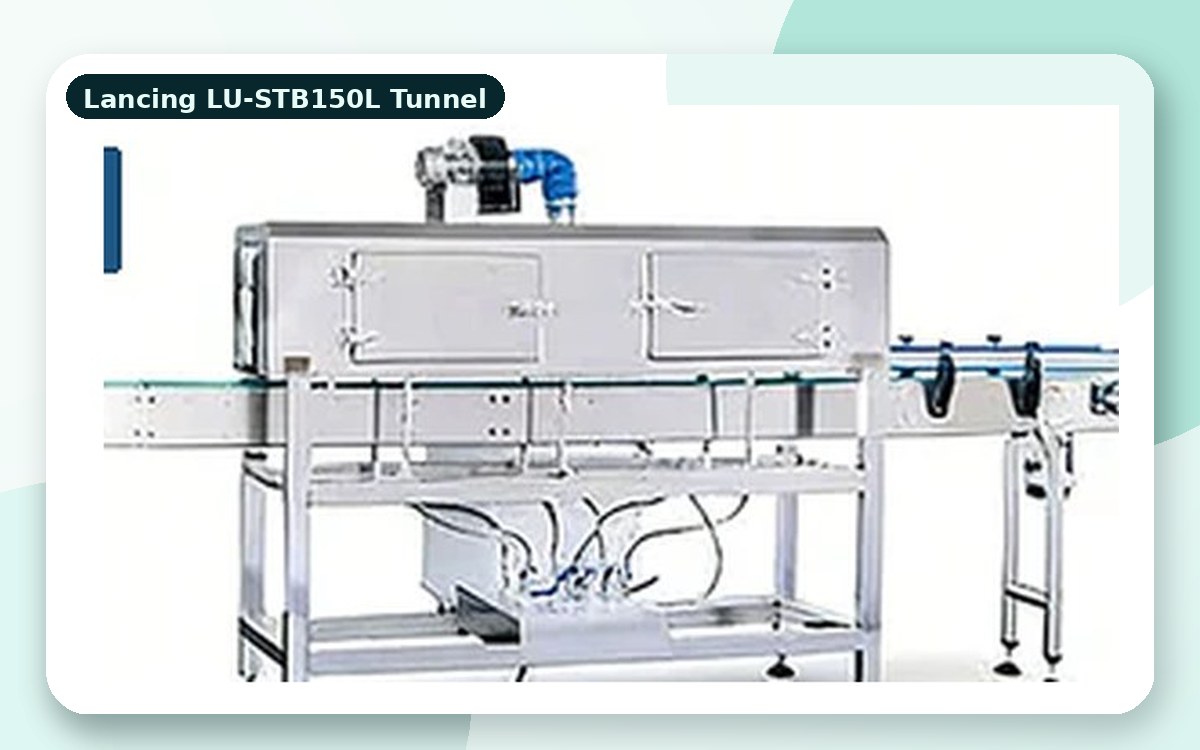
A practical route where only a section of the pack needs a shrink sleeve, promotional band, tamper feature or variable pack presentation.
Learn more →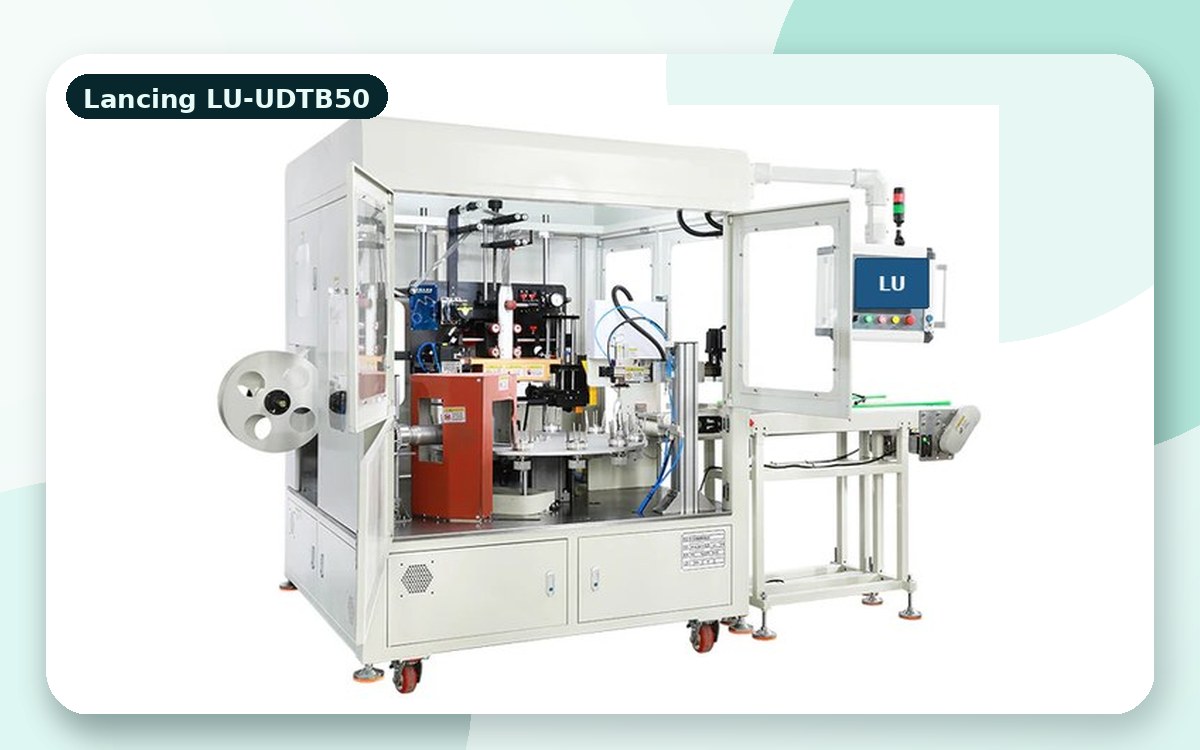
Production-line sleeve application where conveyor timing, sensor control, sleeve feed and tunnel integration are selected around repeatable output.
Learn more →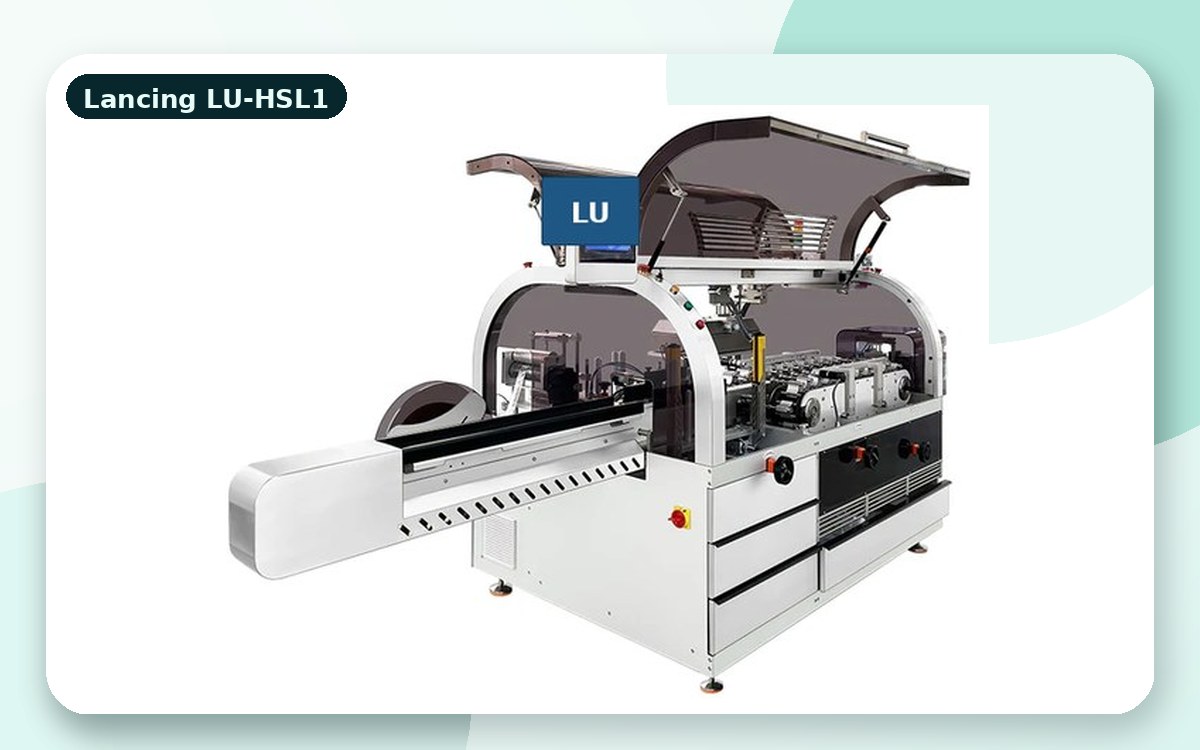
Horizontal sleeve labelling for lipsticks, vials, slim cosmetics and small products where stable transport matters.
Learn more →Steam, electric or hot-air tunnels specified around sleeve material, container shape, shrink quality, utility availability and footprint.
Learn more →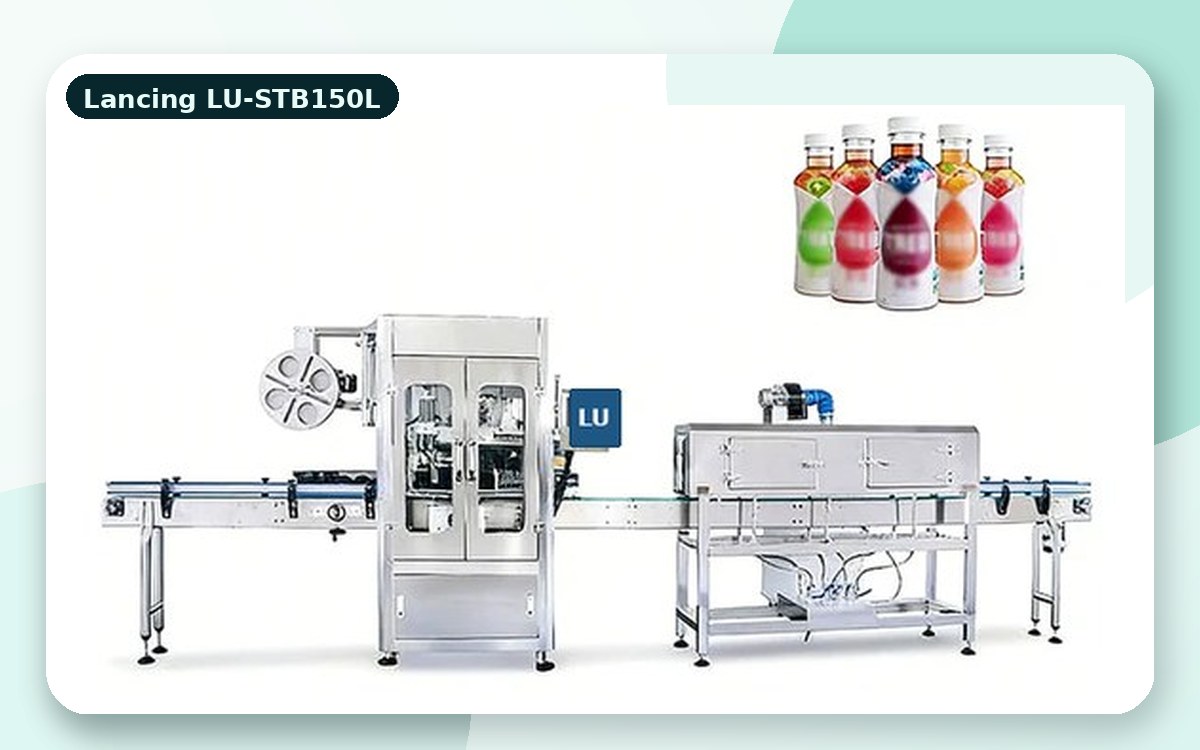
Infeed, spacing, side-grip, starwheel, timing screw or guide arrangements to keep bottles, jars and tubs stable through application and shrink.
Learn more →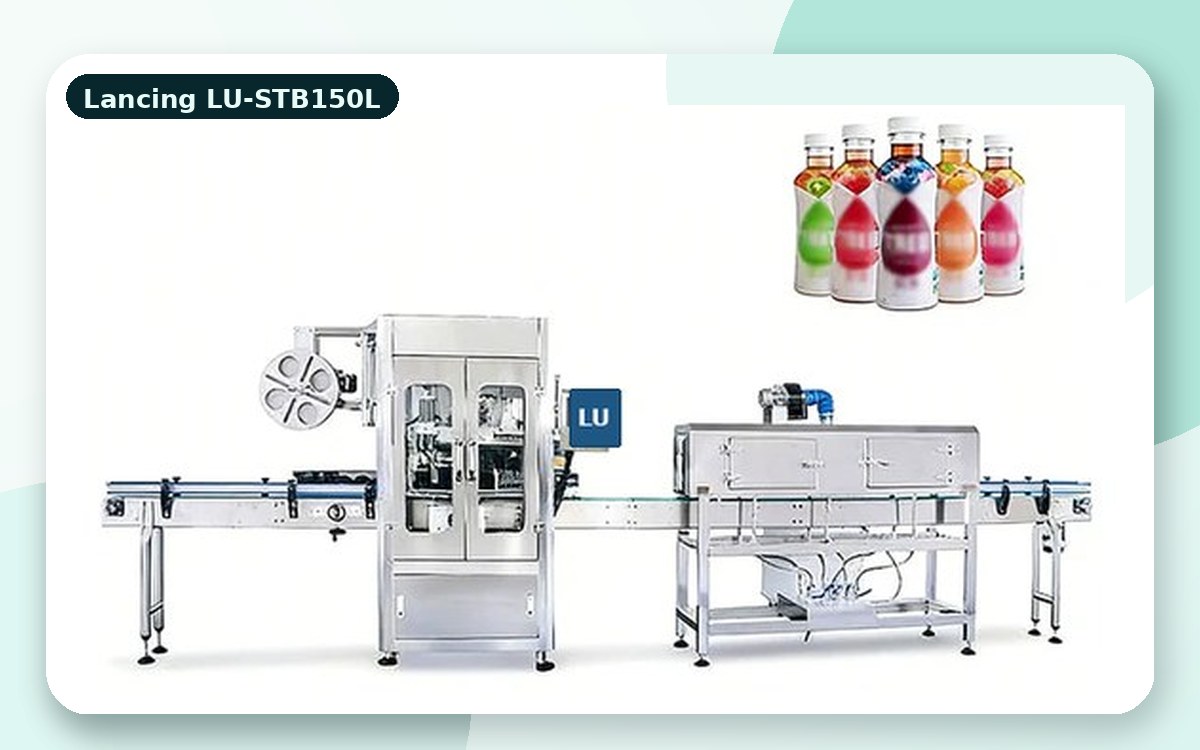
Line planning that connects filling, capping, sleeving, shrinking, coding, accumulation and end-of-line packing into a workable production route.
Learn more →Lancing LU sleeve applicator options
The site now includes distinct machine options for compact sleeve application, full bottle sleeve lines, rotary shrink sleeving and horizontal sleeving for small products. Model references use the Lancing LU naming route throughout.
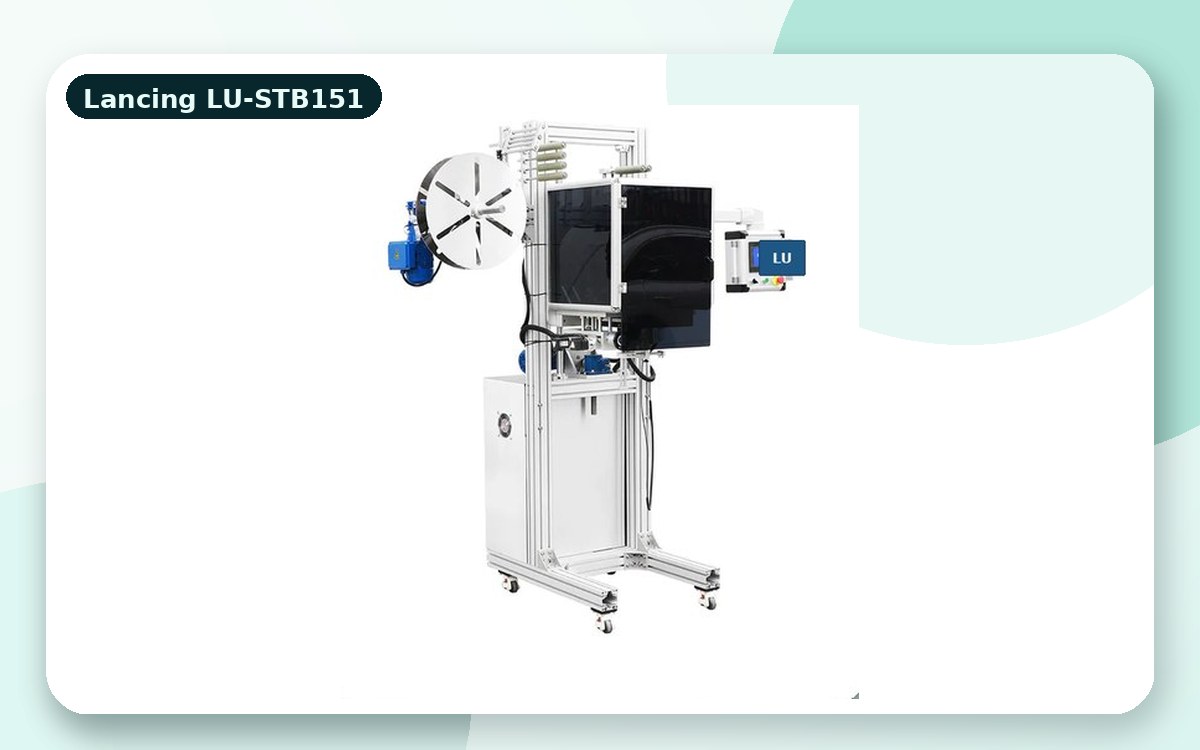
Bottle sleeves, half sleeves, cap seals and tamper-evident neck bands for small to medium production.
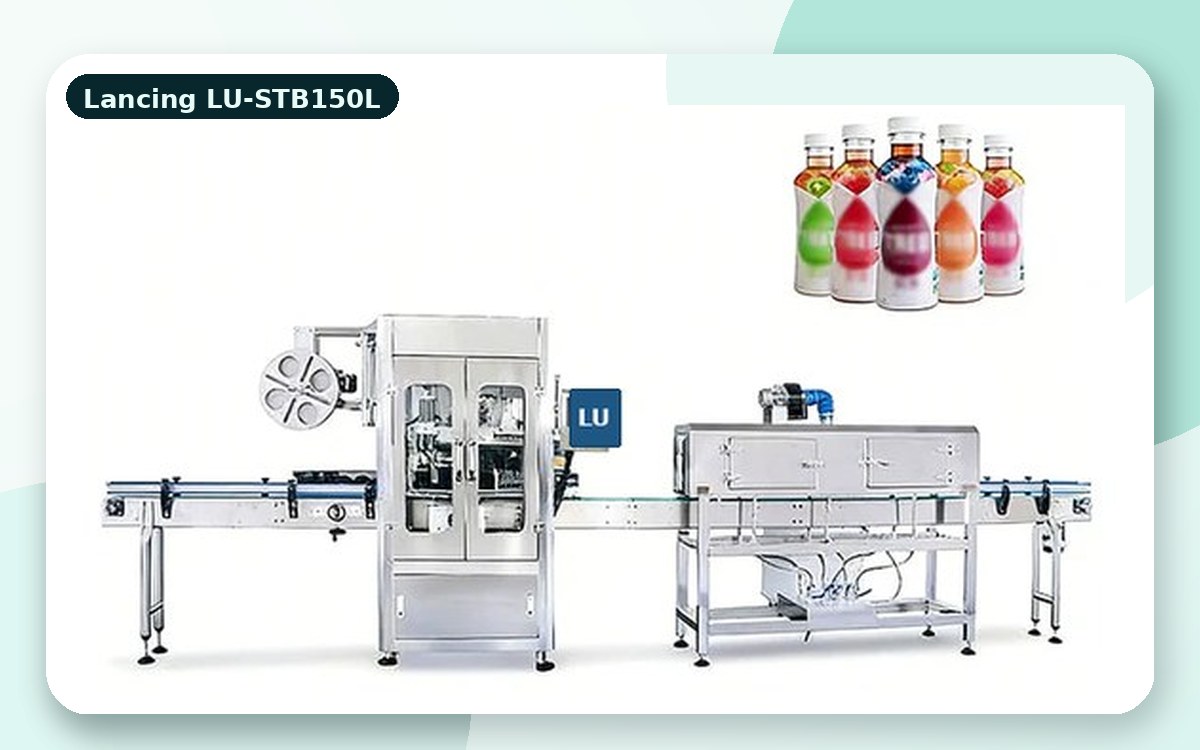
High-speed bottle sleeving where the applicator, conveyor and shrink tunnel need to be specified as one system.
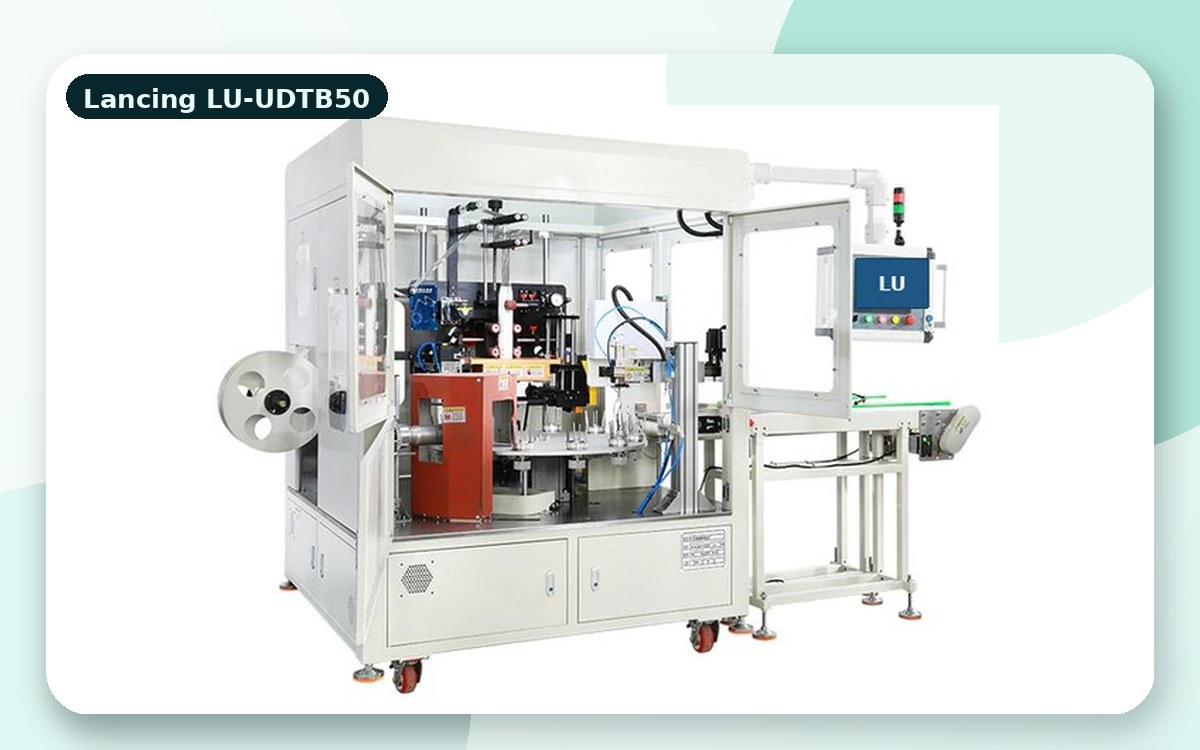
Cosmetic, personal-care, hygiene and pharmaceutical-style packs that benefit from rotary handling and repeatable sleeve placement.
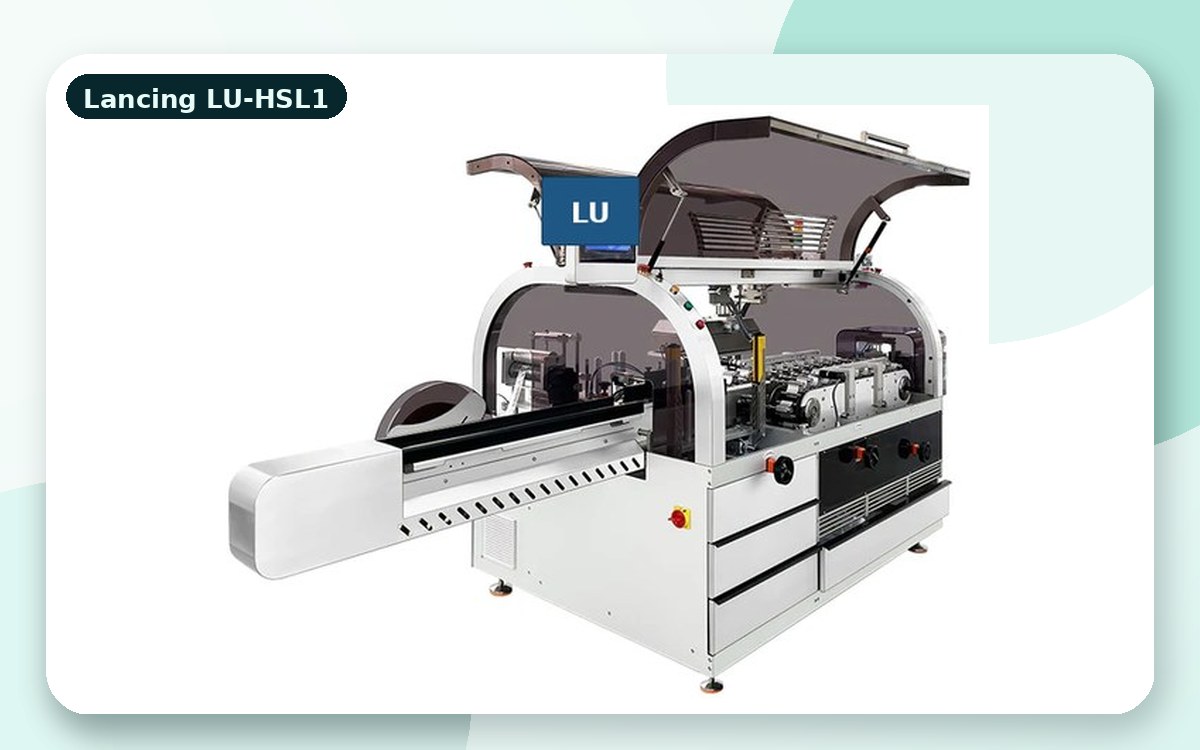
Slim, lightweight or small products that need to be carried horizontally through the sleeving and shrinking process.
Engineering check
Published machine types can look similar, but real-world sleeve quality is shaped by pack geometry, sleeve behaviour and the tunnel. Lightweight bottles, tapered shoulders, complex curves, liquid fill levels and cap geometry can all change the correct route.
FAQ
Start with the sleeve function and container shape. Neck bands, full-body sleeves, partial sleeves and multipack bands all need different handling, cutting and tunnel arrangements.
Often yes, but it depends on container stability, sleeve dimensions, tooling, changeover frequency, conveyor handling and tunnel settings.
Sleeve opening, sensor control, mandrel or feeding method, cut length, container pitch, conveyor speed and the stability of the container all affect accuracy.
Steam can be helpful for complex shapes and controlled shrink, but the best tunnel route depends on sleeve material, container shape, utilities, speed and production environment.
Project support
A useful sleeve applicator shortlist starts with the real pack: container shape, sleeve lay-flat, cut length, required position, tunnel type, production speed and line layout.