Food and drink sleeve labelling
Sleeve applicators for food and drink bottles, jars, tubs and tamper-evident bands.
Open page →Beverage sleeving
Beverage bottles often need strong shelf presentation, repeatable sleeve position and clean shrink around shoulders. The right sleeve applicator route depends on bottle material, filled weight, cap style and target line speed.
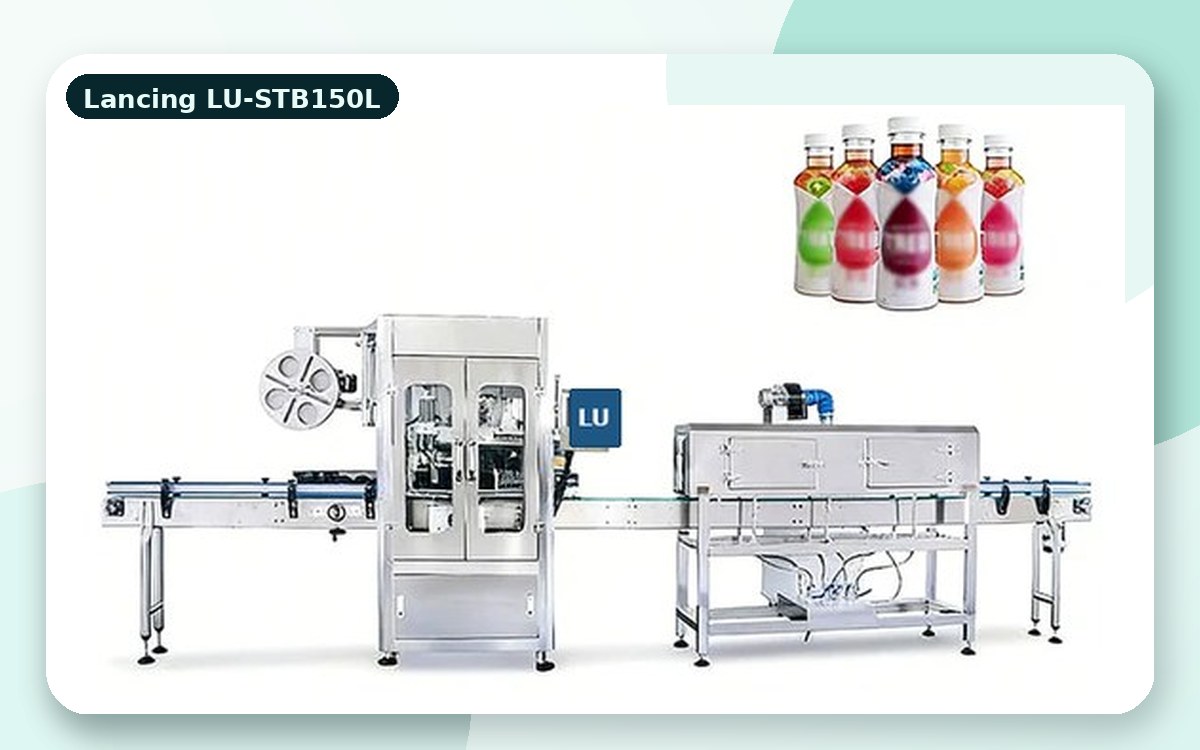
Bottle formats
Round bottles are usually simpler than tapered, square or lightweight bottles. Filled weight, base shape and cap style affect conveyor stability and sleeve placement.
Finished pack quality
Shoulders and necks can distort artwork if the tunnel is not matched to the sleeve material and bottle profile.
Avoid poor fit
Small pack or sleeve differences can change the correct applicator, mandrel, conveyor and tunnel arrangement. These checks help prevent a machine being chosen on headline speed alone.
Quote details
For a useful recommendation, send the container dimensions, filled weight, sleeve material, lay-flat, cut length, target output, photos or drawings, and where the sleeve needs to sit on the pack. If the project is going into an existing line, include available conveyor height, line direction, utilities and footprint.
Related pages
These pages keep the search route connected to the right machine type, application and quote checklist.
Sleeve applicators for food and drink bottles, jars, tubs and tamper-evident bands.
Open page →Browse sleeve applicator applications for bottles, jars, tubs, caps and shaped containers.
Open page →Send product, sleeve and output details to Lancing for review.
Open page →FAQ
Yes, but bottle shape, artwork and tunnel choice should be tested.
Filled or weight-matched samples are better because empty bottles may not handle the same way.
Yes, if the cap and neck dimensions allow consistent band placement and shrink.
Project support
Lancing can review the packaging format, sleeve material, shrink tunnel requirement and line layout before recommending the most suitable sleeve applicator configuration.