Bottle sleeve applicators
Sleeve applicators for bottle sleeves, neck bands and full-body shrink labels.
Open page →Full-body sleeves
Full-body sleeves turn the container into a high-coverage label surface. They can be effective for shaped bottles and promotional packaging, but they require stronger control of sleeve fit and tunnel performance.
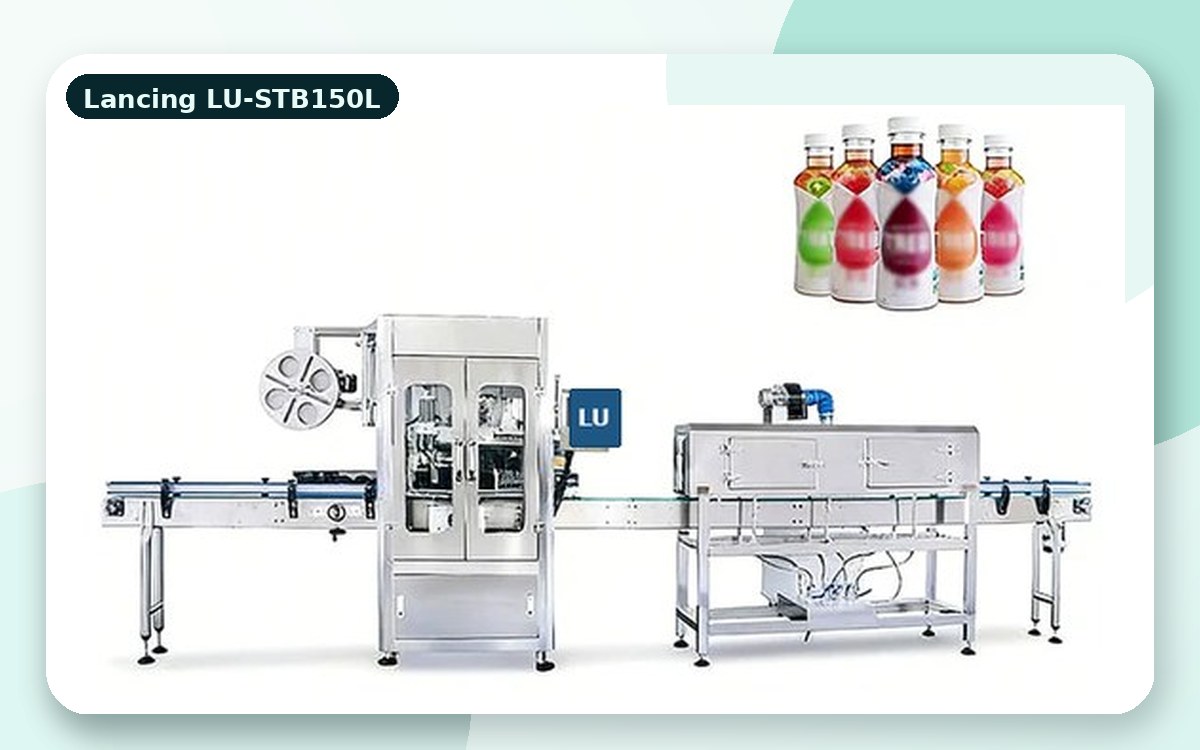
High coverage
The sleeve may shrink around shoulders, bases and grip panels. Artwork should be checked against these high-shrink areas.
Line route
For shaped packs, the tunnel can be just as important as the applicator because it controls the final fit and finish.
Avoid poor fit
Small pack or sleeve differences can change the correct applicator, mandrel, conveyor and tunnel arrangement. These checks help prevent a machine being chosen on headline speed alone.
Quote details
For a useful recommendation, send the container dimensions, filled weight, sleeve material, lay-flat, cut length, target output, photos or drawings, and where the sleeve needs to sit on the pack. If the project is going into an existing line, include available conveyor height, line direction, utilities and footprint.
Related pages
These pages keep the search route connected to the right machine type, application and quote checklist.
Sleeve applicators for bottle sleeves, neck bands and full-body shrink labels.
Open page →Sleeving routes for jars, tubs, lids and tamper-evident bands.
Open page →Send product, sleeve and output details to Lancing for review.
Open page →FAQ
Often yes, but corners and panels need sample testing.
Yes, artwork should allow for shrink distortion.
Yes, with sample packs, sleeve details and output target.
Project support
Lancing can review the packaging format, sleeve material, shrink tunnel requirement and line layout before recommending the most suitable sleeve applicator configuration.
Artwork to finished pack
Full-body sleeve quality depends on more than the applicator cutting at the correct repeat. The approved result should connect the container drawing, sleeve lay-flat, cut length, seam and artwork revision to the applied sleeve position, tunnel recipe and cooled finished pack.
Critical text, barcodes and variable-code areas should be kept away from the strongest distortion zones where possible. When that is not possible, artwork compensation and physical trials should prove the final geometry and readability.
Buyer questions
The film does not shrink equally over every part of a shaped container. Shoulders, waists, corners and bases can demand different local movement, so artwork that appears correct on the flat sleeve may change after shrinking. Use a distortion workflow and approve printed samples from the intended tunnel.
Yes. Seam position affects appearance, opening behaviour, code placement and the amount of distortion visible in critical panels. The applicator, artwork and any bottle-orientation system should use the same agreed rotational datum.
Often, but the print technology, film surface, coating, tunnel exposure and final code location must be tested together. Decide whether printing occurs before or after shrinking and verify the finished code under production conditions using the coding integration guide.