Bottle sleeve applicators
Sleeve applicators for bottle sleeves, neck bands and full-body shrink labels.
Compare bottle sleeve applications →Tube sleeving
Start by checking whether the tube stays upright through infeed, sleeve placement and shrinking. If it tips, rolls or turns, trial horizontal support with the actual tube, its closure and the intended sleeve.
Product support
Observe the tube at each transfer. Record its supported face and orientation, where the cut sleeve sits before the tunnel and whether it moves as the pack transfers. A stable entry alone does not prove the finished position.
Shrink finish
Inspect the seam, artwork and sleeve ends after the tube has cooled. Compare the result with the agreed sample, and record any wrinkle or movement separately from a handling fault seen before shrinking.
Avoid poor fit
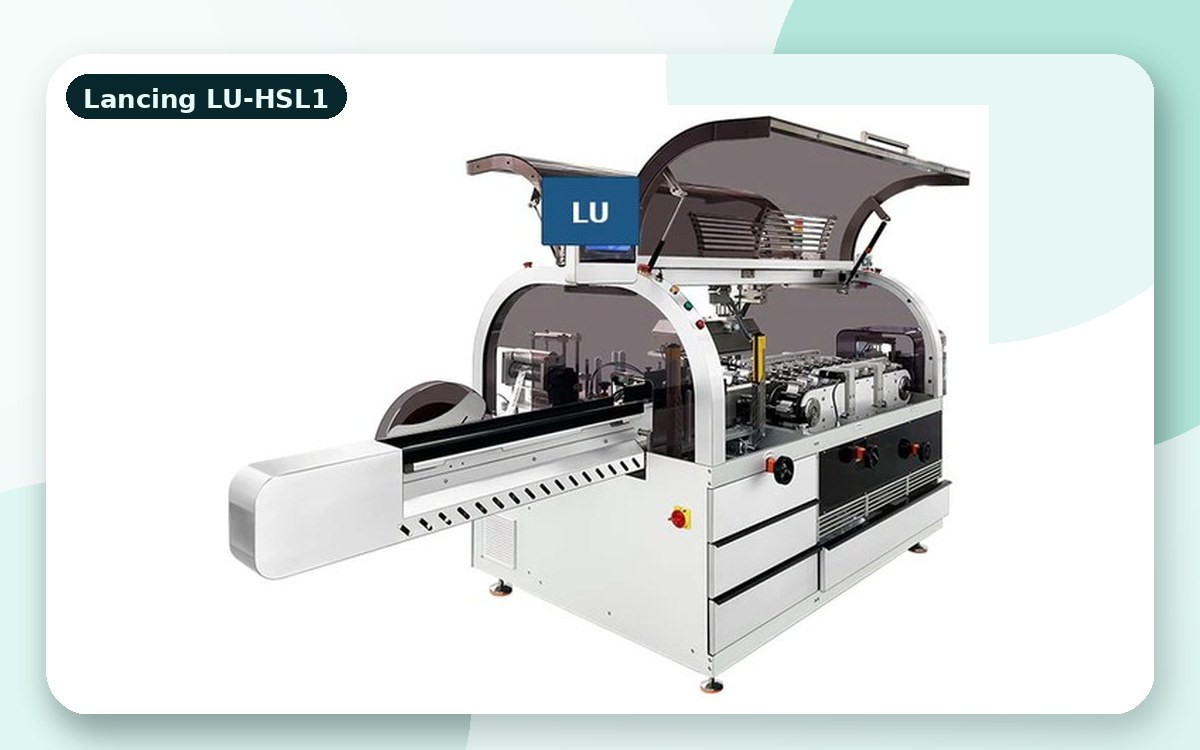
If the tube cannot travel upright reliably, compare the LU-HSL1 horizontal handling route with the actual tube and sleeve. Record where the pack needs support and which transfers should be included in the sample trial.
Quote details
For a useful recommendation, send the container dimensions, filled weight, sleeve material, lay-flat, cut length, target output, photos or drawings, and where the sleeve needs to sit on the pack. If the project is going into an existing line, include available conveyor height, line direction, utilities and footprint.
Related pages
Sleeve applicators for bottle sleeves, neck bands and full-body shrink labels.
Compare bottle sleeve applications →Sleeving routes for jars, tubs, lids and tamper-evident bands.
Compare jar and tub sleeving →Send product, sleeve and output details to Lancing for review.
Request a sleeve quote →FAQ
Some can, but many slim products are more stable in a horizontal system.
Possibly, depending on diameter, length, closure and sleeve position.
Send tube dimensions, sleeve dimensions, desired position and output target.
Project support
Lancing can review the packaging format, sleeve material, shrink tunnel requirement and line layout before recommending the most suitable sleeve applicator configuration.