Sleeve applicator quote checklist
Gather the pack, sleeve, output and layout data needed for a machine quote.
Open page →Conveyor handling
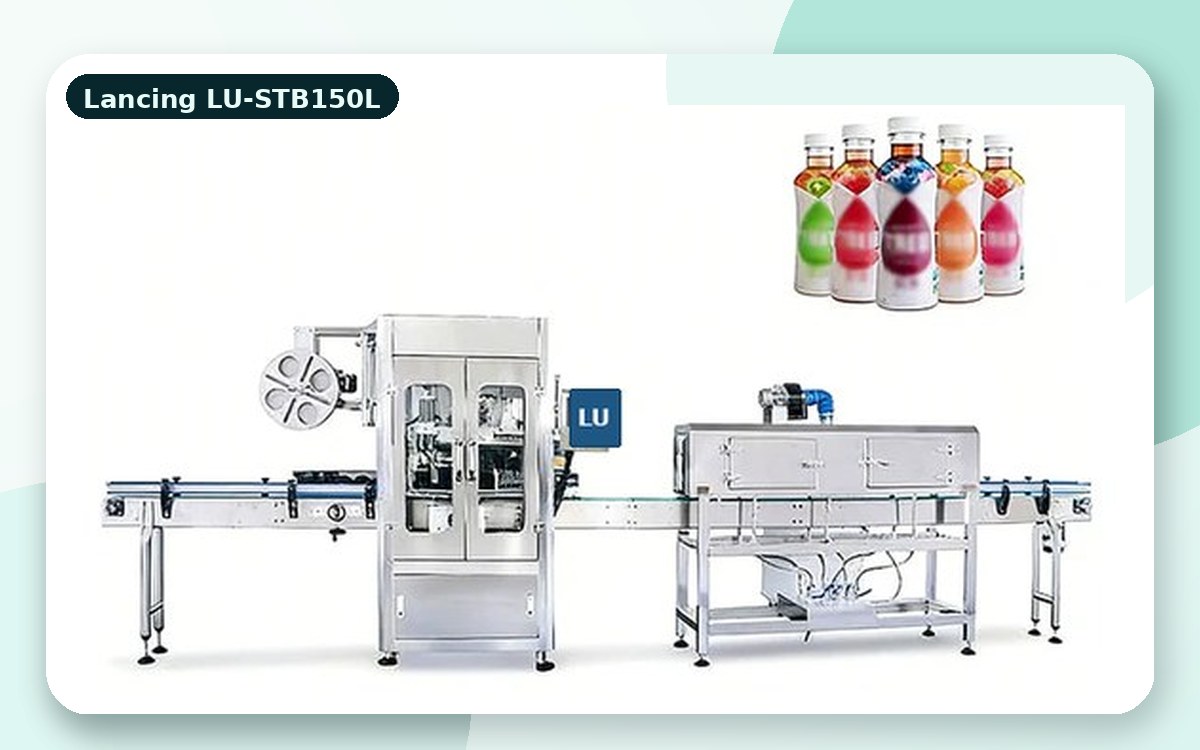
Sleeve placement depends on stable container handling. If bottles wobble, twist, lean or lose spacing, even a good applicator and tunnel can produce poor results.
Product control
The sleeve must meet the pack in a predictable position. Lightweight bottles, tall containers, square packs and tapered bases often need careful side guides and transfer control.
Line balance
Upstream filling and capping equipment can create gaps or surges. The sleeve applicator should be protected with suitable accumulation and control logic where needed.
Avoid poor fit
Small pack or sleeve differences can change the correct applicator, mandrel, conveyor and tunnel arrangement. These checks help prevent a machine being chosen on headline speed alone.
Quote details
For a useful recommendation, send the container dimensions, filled weight, sleeve material, lay-flat, cut length, target output, photos or drawings, and where the sleeve needs to sit on the pack. If the project is going into an existing line, include available conveyor height, line direction, utilities and footprint.
Related pages
These pages keep the search route connected to the right machine type, application and quote checklist.
Gather the pack, sleeve, output and layout data needed for a machine quote.
Open page →Review wrinkles, twist, tunnel issues and product handling problems.
Open page →Send application details for a practical sleeve applicator shortlist.
Open page →FAQ
Twist can come from poor sleeve opening, pack rotation, guide contact or tunnel airflow/steam imbalance.
Often yes. Filled weight, base shape and conveyor friction can all affect stability.
It may be able to, but the whole line should be balanced to the true upstream and downstream output.
Project support
Lancing can review the packaging format, sleeve material, shrink tunnel requirement and line layout before recommending the most suitable sleeve applicator configuration.
Product transport
The applicator needs a predictable container datum. Lightweight, tall, tapered, wet or top-heavy packs can change position as they pass side guides, timing screws, belts or conveyor transfers. Record the actual filled condition and the points where the pack is supported.
A sleeve can move between application and tunnel entry if the pack accelerates, touches a guide or encounters a gap. Inspect the transfer path with unshrunk sleeves before adjusting the tunnel.
Empty containers can be less stable and may react differently to belts or guides. Cold or wet packs can also change friction and sleeve behaviour. Agree a representative test condition and record it.
Mark the sleeve position before each transfer to identify where movement begins.
The applicator should stop accepting containers when sleeve feed or the downstream tunnel is not ready. The line-control scope should identify permissives, backlog response, reject handling and restart sequence.
Where a complete line needs coordinated conveyors and accumulation, use Packaging Lines UK for the wider integration requirement.
Use the related pages to keep dimensions, samples, tunnel settings and acceptance evidence in one route rather than treating each decision in isolation.
Sleeve applicator quote checklist → Sample-testing guide → Send the project details →Buyer questions
Common causes include high centre of gravity, insufficient pitch, aggressive guide contact, transfer gaps or rapid acceleration. Observe the physical threshold before changing multiple settings.
Yes. Moisture can change friction, static and downstream drying requirements. Test the actual condition expected at the applicator.
During development and fault finding, yes. It helps identify whether the sleeve moved at application, transfer or tunnel entry.
Define run, stop, fault and ready permissives, backlog response and restart sequence for the applicator, conveyors, tunnel and adjacent equipment.