Sleeve applicator maintenance
Combine cleaning observations with cutter, sensor, belt and conveyor inspections.
Open guide →Cleaning and hygiene
A controlled cleaning plan protects sleeve feed, cutting, sensing and product handling while respecting the machine design, site hygiene system and safe-isolation requirements.
Risk-based cleaning
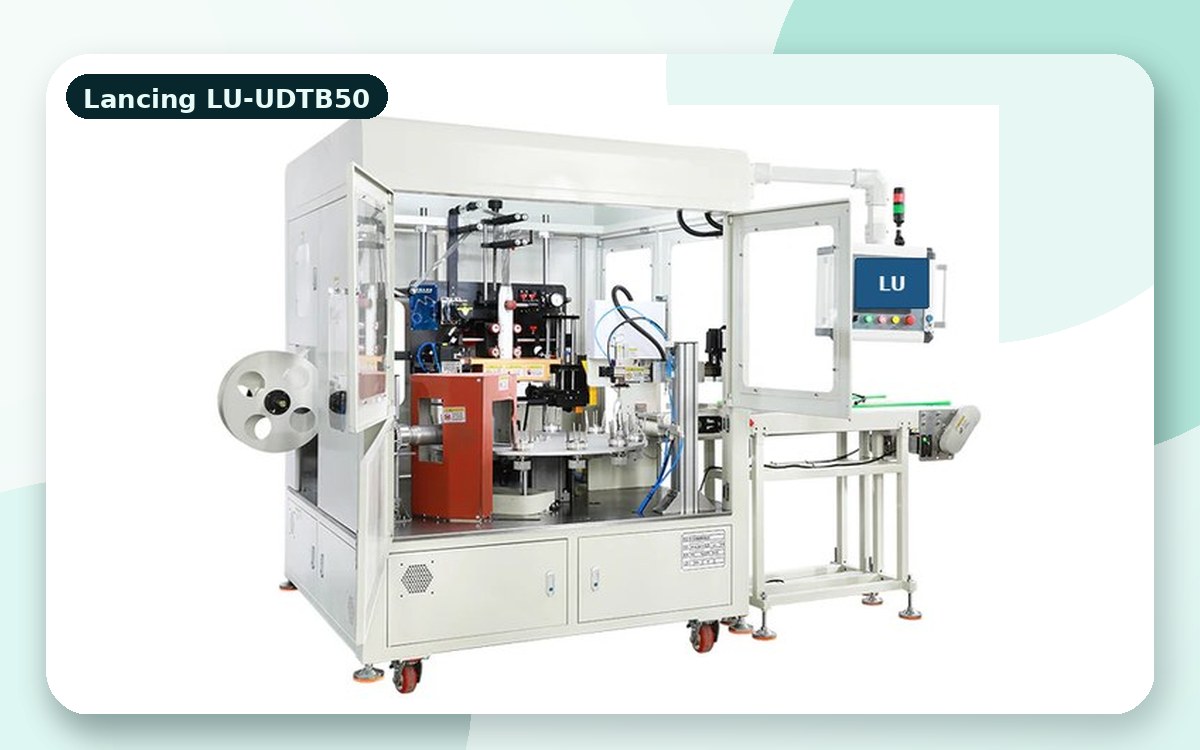
Sleeve applicators can accumulate film slivers, dust, ink or adhesive transfer from the converted sleeve, product residue from leaking containers and deposits around conveyors or tunnels. The cleaning plan should distinguish routine housekeeping from maintenance that exposes cutters, drives or guarded areas.
Food, cosmetic, pharmaceutical-style and chemical applications may have different hygiene and compatibility requirements. The site owner should define product-contact risk, approved chemicals, personal protective equipment, isolation and verification with competent input.
Cleaning plan
Dry and wet methods
Dry vacuuming, controlled wiping or lint-free cleaning may suit some film-path areas. Wet cleaning may be necessary for product residue but creates additional risks around electrics, bearings, sensors, corrosion and recontamination if the machine is not designed for it.
Compressed air can spread debris into guards, cabinets or product areas and should not be used as a default cleaning method. Select tools and chemicals through the site’s hygiene, COSHH and machine-safety processes.
Changeover hygiene
When the former, guides or change parts are removed, inspect surfaces that are normally hidden. Keep parts identified and protected, and avoid placing clean tooling on the floor or uncontrolled surfaces. Check for wear, damage and loose fasteners before reassembly.
Use the maintenance checklist for mechanical condition and the safety guide for isolation and guarded access.
Documentation
The machine supplier can identify access and component constraints, while the site owner must integrate those instructions into its product-specific hygiene and risk-control system. Record deviations and investigate repeated contamination rather than increasing cleaning intensity without understanding the source.
For reel condition and film contamination, continue to the reel storage and handling guide.
Buyer questions
Set the frequency from the product, film debris, site hygiene plan, machine instructions and observed contamination risk. A fixed interval is not a substitute for inspection.
Only where the specific equipment and installed electrical, pneumatic and guarding system are designed and approved for that method. Do not assume a stainless appearance means washdown suitability.
Follow the machine instructions and safe-isolation procedure. Remove film fragments and deposits that can affect the cutting path, but do not touch or service a blade without the required competence and controls.
Use only products and methods approved for the machine components, sleeve material and site risk assessment. An unsuitable solvent can damage elastomers, plastics, coatings, optics or print.
Confirm guards and parts are refitted, tools and waste are removed, sensors are clear, settings are retained, the machine is dry where required and first-off sleeves meet the approved condition.
Related technical guidance
Use these connected pages to move from the current decision to a controlled machine, sleeve and tunnel brief.
Combine cleaning observations with cutter, sensor, belt and conveyor inspections.
Open guide →Plan isolation, guarded access and safe restart for cleaning and intervention.
Open guide →Protect sleeve reels from damage and contamination before they reach the film path.
Open guide →Project support
Lancing can review the container, closure, sleeve reel, required finished position, tunnel route, production conditions and existing line interfaces before recommending a machine configuration.