Installation requirements
Plan utilities, space, access, extraction, drainage and commissioning interfaces.
Open guide →Machinery safety
Sleeve applicator and tunnel safety must be assessed for the complete installation, including cutting, conveyors, automatic movement, hot or steam processes, cleaning and fault recovery.
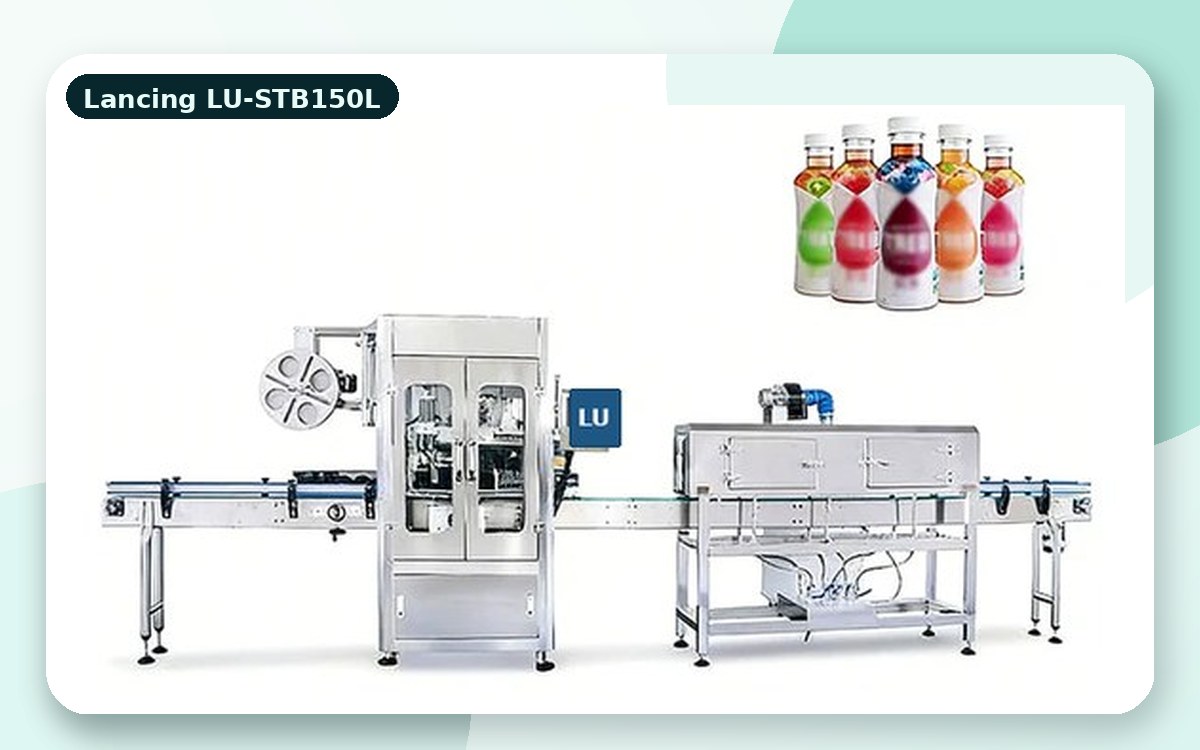
Safe integration
Safety cannot be confirmed from a machine photograph or model name. The assessment should cover installation, normal operation, reel loading, changeover, cleaning, jam clearance, maintenance, fault recovery and interaction with upstream and downstream equipment.
In Great Britain, HSE guidance explains that PUWER places duties on people and organisations that own, operate or control work equipment. Product-supply requirements and current marking rules should also be checked for the equipment and market concerned.
Safeguarding strategy
The appropriate solution depends on the risk assessment and machine design. The table identifies specification questions, not a substitute for a competent safeguarding design.
Official reference points
HSE’s PUWER overview and equipment and machinery guidance are appropriate starting points for safe use. Current product-marking and market-placement guidance is available from the UK Government.
These sources do not replace the machine instructions or a site-specific risk assessment. Requirements can depend on the equipment, supply route, location and date.
Intervention and recovery
Frequent jams or awkward reel loading can encourage unsafe shortcuts. Review reach, visibility, tooling storage, access space and the position of controls during design. A fault should present a clear message and a recovery method that does not require defeating a safeguard.
For an installation into existing equipment, use the retrofit guide and the controls guide to document the interface boundary.
General guidance only
This guide identifies common specification questions and is not a declaration that a particular machine or installation is compliant. A competent assessment must consider the final guarding, controls, utilities, access, products, environment and use.
Continue with the installation requirements guide for site-preparation details.
Buyer questions
No. Product supply marking and safe use at work are related but different responsibilities. The employer or person controlling the equipment still needs to ensure suitability, safe use, maintenance, information, training and other applicable PUWER controls.
A modification should not be made informally. Review the hazard, safeguarding function, control system and applicable supply and use requirements with competent people before altering the machine.
Potential hazards can include the cutter and film path, conveyors and nip points, automatic movement, stored pneumatic or electrical energy, hot surfaces, steam, condensate, extraction, product breakage and access during jam clearance.
A competent person or team with knowledge of the machine, intended use, safeguarding, controls, site process and applicable legal requirements should carry out and maintain the assessment.
Yes. The agreed commissioning and acceptance plan should include guards, interlocks, emergency stops, safe recovery and relevant fault conditions, with results recorded by competent people.
Related technical guidance
Use these connected pages to move from the current decision to a controlled machine, sleeve and tunnel brief.
Plan utilities, space, access, extraction, drainage and commissioning interfaces.
Open guide →Define fault response, safe recovery and integrated line signals.
Open guide →Build isolation, safe access and release checks into the cleaning method.
Open guide →Project support
Lancing can review the container, closure, sleeve reel, required finished position, tunnel route, production conditions and existing line interfaces before recommending a machine configuration.