Bottle applicators
Compare full-body bottle labels, partial sleeves and short bands around the closure.
Bottle applicators →Shrink sleeve labelling
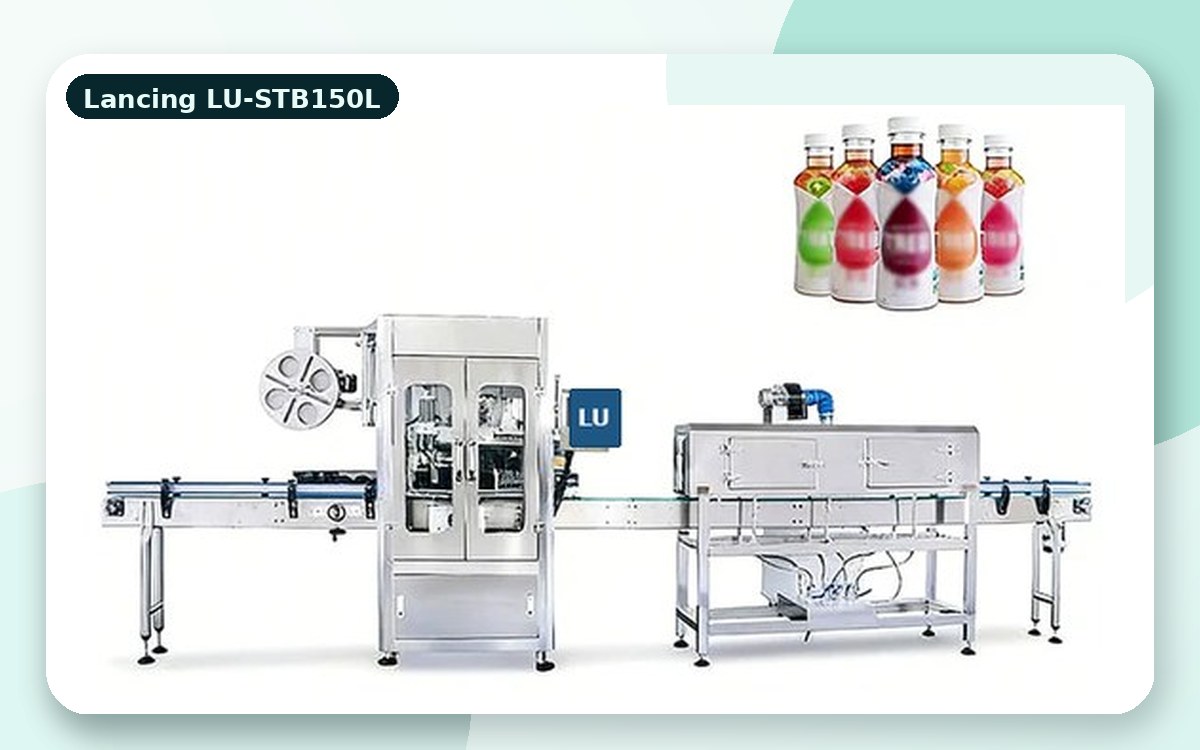
A shrink sleeve labelling line places a printed sleeve on the container, then shrinks it to fit. For a full-body label, compare the seam, artwork and barcode on the finished pack. Bring the actual container and printed sleeve so the applicator placement and tunnel result can be checked separately. Use the finished-pack inspection guide to agree what a trial should show.
Best-fit applications
A shrink sleeve labelling project is normally specified as an applicator, conveyor handling and shrink tunnel package. The applicator controls placement while the tunnel controls final presentation and barcode readability.
Specification checks
Good sleeve applicator selection starts with the real pack, the real sleeve and the target output. The checks below help narrow the applicator, conveyor and tunnel route before a quotation is prepared.
Related pages
These pages help connect the search route to the correct machine family, application type or quotation checklist.
Compare full-body bottle labels, partial sleeves and short bands around the closure.
Bottle applicators →Compare tunnel options against film, pack shape, available utilities and the required finish.
Shrink tunnels →Compare sleeve purpose, pack handling, tunnel utilities and changeover needs before choosing a machine.
Buying guide →FAQ
A sleeve applicator is the application stage. A shrink sleeve labelling machine or line often includes the applicator, conveyor handling and a shrink tunnel.
Yes. Full-body sleeves can cover most or all of the container, but artwork and shrink testing are important on shoulders and shaped areas.
Steam, hot-air and electric tunnels can all be used. The best choice depends on sleeve film, container shape, utilities and finish expectations.
Project support
Lancing can review the pack format, sleeve material, target speed, tunnel route and line layout before recommending a sleeve applicator configuration.