Sleeve applicator quote checklist
Gather the pack, sleeve, output and layout data needed for a machine quote.
Open page →Tunnel setup
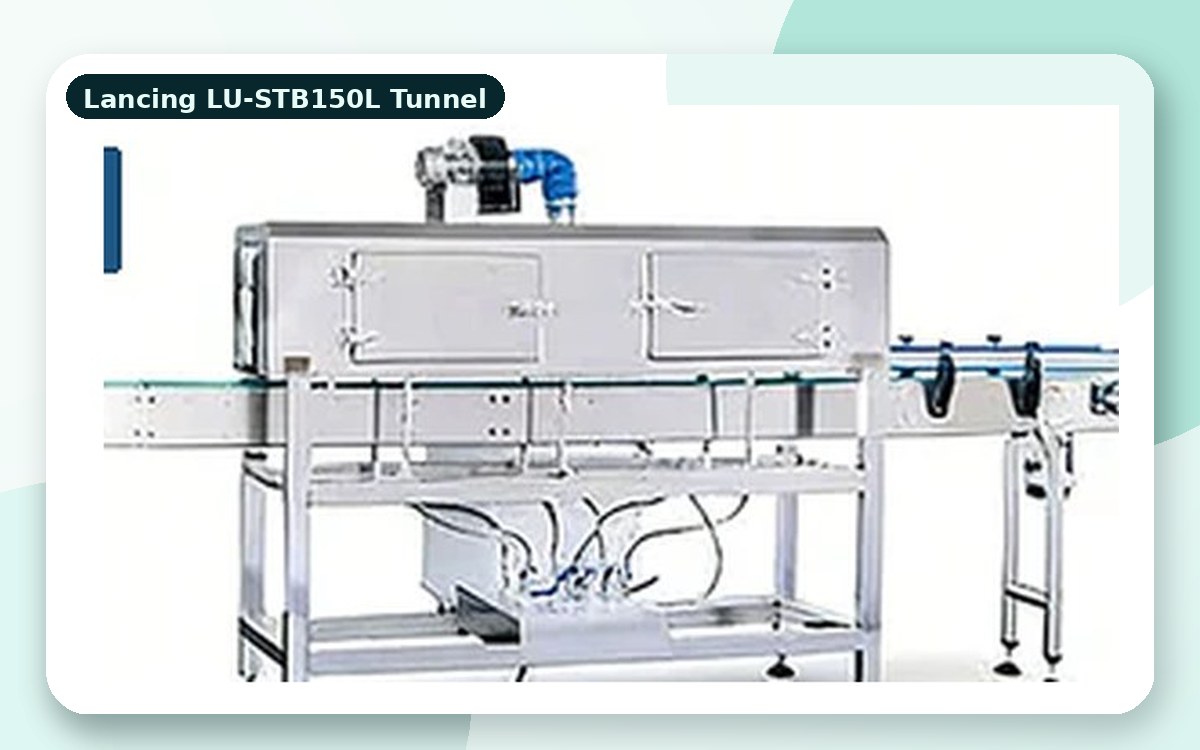
Tunnel settings should be treated as a controlled process. Sleeve material, sleeve thickness, container shape and line speed all affect the temperature or steam profile needed for a clean finished pack.
Process control
A pack moving faster through the tunnel has less time to shrink. The answer may be tunnel length, zoning, steam flow or line speed, not simply increasing the set point.
Pack protection
Lightweight bottles, heat-sensitive products and delicate caps may limit how aggressive the tunnel can be. The finished sleeve must be achieved without damaging the pack.
Avoid poor fit
Small pack or sleeve differences can change the correct applicator, mandrel, conveyor and tunnel arrangement. These checks help prevent a machine being chosen on headline speed alone.
Quote details
For a useful recommendation, send the container dimensions, filled weight, sleeve material, lay-flat, cut length, target output, photos or drawings, and where the sleeve needs to sit on the pack. If the project is going into an existing line, include available conveyor height, line direction, utilities and footprint.
Related pages
These pages keep the search route connected to the right machine type, application and quote checklist.
Gather the pack, sleeve, output and layout data needed for a machine quote.
Open page →Review wrinkles, twist, tunnel issues and product handling problems.
Open page →Send application details for a practical sleeve applicator shortlist.
Open page →FAQ
There is no universal setting; it depends on film, sleeve size, container and tunnel type.
Yes. Recipes or setup records help keep repeatable quality during changeovers.
It can, but it may reduce output and overheat some packs if other settings are not adjusted.
Project support
Lancing can review the packaging format, sleeve material, shrink tunnel requirement and line layout before recommending the most suitable sleeve applicator configuration.
Recipe control
There is no universal temperature or steam setting for shrink sleeves. The process is the interaction of sleeve material, local shrink demand, container and closure sensitivity, tunnel length, conveyor speed, heat or steam distribution and the condition of the pack entering the tunnel.
Record the warm-up state and utility condition as well as the displayed settings. A recipe cannot be repeated if the steam supply, airflow, line speed or container temperature has changed without being noted.
When investigating a defect, retain a pre-tunnel sample and adjust one process variable within the agreed safe range. Record the previous and revised setting, speed and result. Multiple simultaneous changes make the cause difficult to identify.
Do not use extra heat to compensate for a twisted or incorrectly positioned sleeve. Correct the application fault before tuning the tunnel.
For steam, include supply condition, extraction, drainage, condensation and drying. For hot air, include zone or airflow balance, conveyor support and the condition of recirculation or filters where applicable.
Use videos and measured cooled samples to show the recipe result at tunnel entry, exit and after the normal cooling or drying distance.
Use the related pages to keep dimensions, samples, tunnel settings and acceptance evidence in one route rather than treating each decision in isolation.
Sleeve applicator quote checklist → Sample-testing guide → Send the project details →Buyer questions
Use the film supplier’s process guidance as a starting point, then qualify the actual sleeve, container and tunnel. A universal value would be unreliable.
It increases dwell time but can also overheat the pack or reduce output. Treat speed and heat distribution as linked variables.
A tunnel can behave differently before utilities and internal surfaces stabilise. Acceptance evidence should state when the readings were taken.
Yes where steam or condensation affects the pack. The accepted result should reflect the condition at the downstream process, not only at the tunnel exit.
A normal running recipe does not describe the heat exposure of a container held inside the tunnel during an interruption. Before accepting the sleeve line, ask the supplier to define the machine's response to a conveyor stop and what happens to the products already inside the heated section. The answer depends on the tunnel technology and supplied controls.
Agree how affected packs are identified and kept separate on restart. Do not assume that the first sleeves leaving the tunnel after a stop have seen the same conditions as steady production. Inspect their sleeve position, distortion, container shape and closure condition using the approved pack criteria. Include the downstream drying or cooling condition where it affects inspection.
Use the manufacturer's authorised stop-and-recovery procedure during commissioning. Record the stop cause, duration, tunnel state and disposition of affected packs, then check when acceptable continuous output resumes. Keep the test specific to the actual steam, convection or radiant system. This evidence gives operators a clear recovery boundary and avoids compensating for abnormal stopped-pack exposure by changing an otherwise proven production recipe.
Only under the agreed recovery and inspection procedure. Their exposure may differ from normal running, so identify and assess affected packs.
First investigate the stop response and retained-pack exposure. A steady-running recipe may be correct even when stopped packs are affected.